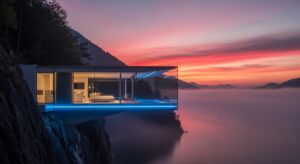
Imagine waking before sunrise to the sound of temple bells echoing through mist-covered mountains.
A centuries-old monastery stands quietly above the valley. Local artisans prepare traditional breakfasts using recipes passed down for generations. Pilgrims walk the same stone paths that saints, monks, and seekers have followed for hundreds of years.
Now imagine arriving there effortlessly.
Your transportation is seamlessly coordinated. Your boutique accommodation blends naturally with local architecture. Your itinerary introduces you to historians, artisans, spiritual guides, and conservation experts. Technology quietly handles the logistics while preserving the authenticity of the journey.
This is not simply luxury travel.
It is heritage-led luxury—where comfort enhances a meaningful cultural experience rather than overshadowing it.
At Kiki Studio, we believe this represents one of the most exciting directions for the future of travel.
A Hidden Disconnect in Modern Tourism
Across the world, countless sacred places carry extraordinary historical, cultural, and spiritual significance.
These destinations may include ancient temples, monasteries, churches, mosques, shrines, pilgrimage routes, indigenous sacred landscapes, or heritage villages. Many continue to serve as living places of worship while also welcoming respectful visitors.
Yet despite their importance, many remain difficult to access or interpret for modern travelers.
Visitors often encounter challenges such as:
- Limited transportation options
- Fragmented local information
- Difficulty identifying quality accommodation
- Complex route planning
- Language barriers
- Lack of integrated visitor services
- Minimal digital visibility
These challenges do not diminish the value of the destination—but they can make planning more difficult.
Heritage Is Becoming a New Form of Luxury
Luxury travel is evolving.
For many travelers, luxury is no longer defined only by marble lobbies, infinity pools, or elaborate buffets.
Increasingly, travelers seek experiences that are personal, authentic, and deeply connected to local culture.
They want to understand the stories behind a place.
They want to meet local communities.
They want to appreciate architecture, history, food, music, craftsmanship, and traditions that cannot be replicated elsewhere.
Comfort still matters—but it complements the journey rather than becoming the journey itself.
Beyond Five-Star Hotels
Consider two travel experiences.
The first offers:
- A large international hotel.
- Standard sightseeing.
- Familiar restaurants.
- Popular shopping districts.
The second offers:
- A restored heritage residence.
- Guided walks through historic neighborhoods.
- Conversations with local historians.
- Traditional music performances.
- Regional cuisine prepared by local families.
- Opportunities to learn about living cultural traditions.
Both may be memorable.
But the second creates something increasingly valued in today’s travel landscape: a sense of connection.
That emotional connection is difficult to reproduce through standardized tourism alone.
Sacred Places Tell Stories That Cannot Be Manufactured
Unlike purpose-built attractions, sacred and historic sites carry layers of meaning shaped over generations.
- Their architecture reflects local craftsmanship.
- Their festivals express community identity.
- Their rituals preserve traditions.
- Their landscapes often reveal centuries of cultural adaptation.
- These qualities cannot simply be built overnight.
- They have developed through time.
For thoughtful travelers, this authenticity is part of the appeal.
The Opportunity Is Thoughtful Access—Not Reinvention
Transforming heritage destinations into premium experiences does not mean replacing their identity with luxury hotels or commercial entertainment.
Instead, the opportunity lies in making these places more accessible while respecting their character.
Examples may include:
- Clear visitor information.
- Well-designed heritage trails.
- Comfortable, locally inspired accommodation.
- Improved transportation coordination.
- Skilled local guides.
- Better digital planning tools.
- Responsible visitor management.
The goal is not to change the soul of a destination.
The goal is to help visitors experience it more meaningfully.
Why Travelers Are Seeking Deeper Experiences
Many travelers today are motivated by curiosity as much as relaxation.
Some wish to explore family heritage.
Others seek architecture, archaeology, spirituality, local cuisine, or craftsmanship.
Increasingly, travel becomes an opportunity to learn rather than simply to consume.
This creates demand for carefully curated journeys that combine education, storytelling, and cultural immersion.
Every Journey Is a Story
Traditional itineraries often present travel as a sequence of bookings:
- Airport.
- Hotel.
- Sightseeing.
- Shopping.
- Departure.
But memorable travel often unfolds like a story.
There is anticipation before departure.
Discovery upon arrival.
Moments of surprise.
Conversations with local people.
Reflection.
Transformation.
This narrative approach encourages travelers to engage more deeply with the places they visit.
Kiki Studio's Vision: Designing Journeys with Purpose
At Kiki Studio, we see travel planning as more than arranging transportation and accommodation.
Our vision is to help travel entrepreneurs design journeys that celebrate local heritage while using modern digital tools to simplify planning and communication.
Rather than focusing only on destinations, we encourage thinking about the experience as a complete narrative.
Questions such as:
- Why is this place important?
- What traditions shape it?
- Who are the local storytellers?
- Which artisans preserve its heritage?
- What seasonal events make it unique?
- How can visitors engage respectfully?
These questions help create richer travel experiences.
Storytelling Begins Before the Journey
Today’s travelers often begin exploring a destination long before they arrive.
Interactive maps, virtual previews, photography, historical timelines, and educational content can help visitors understand the significance of a place before they ever set foot there.
These digital experiences do not replace the physical journey.
They prepare travelers to appreciate it more fully.
Respecting Heritage Through Thoughtful Design
Modern visitor facilities should complement—not compete with—historic environments.
Architecture, signage, pathways, and accommodation can draw inspiration from local materials, traditions, and craftsmanship.
This approach helps preserve the visual identity of heritage sites while improving comfort for visitors.
Sensitive design also strengthens community pride by celebrating local character rather than replacing it.
Supporting Local Communities
Heritage tourism succeeds when local communities benefit alongside visitors.
This may include opportunities for:
- Local guides.
- Family-run guesthouses.
- Traditional artisans.
- Regional food producers.
- Cultural performers.
- Heritage conservation projects.
When communities participate meaningfully, tourism can contribute to preserving traditions rather than diminishing them.
Technology as an Enabler
Digital tools increasingly help travel businesses coordinate complex journeys more efficiently.
Within the Kiki Studio ecosystem, our long-term vision is to support travel entrepreneurs with solutions that streamline itinerary creation, organize customer communications, and present travel plans in a professional, engaging format.
Technology should reduce administrative complexity.
Human relationships remain at the heart of exceptional travel.
The Next Generation of Heritage Travel
The future of heritage tourism is unlikely to be defined by larger crowds or faster itineraries.
Instead, it may be shaped by:
- Smaller, carefully curated groups.
- Longer stays.
- Greater cultural understanding.
- Respectful engagement with local communities.
- Sustainable visitor practices.
- High-quality storytelling.
- Comfortable yet context-sensitive hospitality.
These elements create journeys that are memorable for travelers and beneficial for destinations.
Why This Matters for Travel Entrepreneurs
For travel entrepreneurs, heritage-focused experiences offer an opportunity to differentiate their business.
Rather than competing solely on price, they can specialize in thoughtfully designed journeys built around history, culture, spirituality, architecture, food, or local traditions.
By combining local knowledge with professional planning tools, entrepreneurs can create experiences that are difficult to replicate through generic package tours.
This approach encourages value through expertise rather than discounts.
Looking Ahead
Around the world, countless sacred places and heritage landscapes remain underappreciated—not because they lack significance, but because they are not always easy to discover, understand, or access.
With thoughtful planning, respectful partnerships, and appropriate use of technology, these destinations can welcome visitors while preserving the traditions that make them unique.
At Kiki Studio, we believe the future of travel lies in creating journeys that honor the past while embracing the possibilities of the present.
The most meaningful luxury may not be found in the tallest hotel or the largest resort.
It may be found in a quiet monastery at dawn, a centuries-old pilgrimage path, a family recipe shared across generations, or a village artisan keeping an ancient craft alive.
Those experiences cannot be mass-produced.
They must be discovered, understood, and respectfully shared.Every Great Journey Begins Long Before the First Flight
The world’s greatest travel experiences don’t start at the airport.
They begin in the imagination.
Before a traveler books a ticket, they picture themselves walking through ancient stone streets, watching the sunrise over centuries-old temples, sharing stories with local artisans, or standing silently inside a monastery that has welcomed pilgrims for generations.
That emotional connection is what inspires someone to choose one destination over another.
Yet many heritage destinations still market themselves with a handful of photographs, a short itinerary, and a list of nearby hotels.
In an age where travelers are surrounded by endless digital content, information alone is no longer enough.
People want to feel the journey before they buy it.
At Kiki Studio, we believe travel entrepreneurs should present heritage experiences as stories—not simply as transportation and accommodation.
The Difference Between Selling a Package and Selling a Story
Imagine two travel brochures.
The first says:
- Three nights
- Airport pickup
- Hotel stay
- Breakfast included
- Temple visit
- Return transfer
Now imagine another.
It begins with:
“At sunrise, the mountain valley slowly awakens. Temple bells echo across the hills while monks begin their morning prayers. Local families prepare traditional breakfasts using recipes passed through generations. As the first rays of light touch the ancient stone steps, your journey into one of history’s most sacred landscapes begins.”
Which journey creates anticipation?
- Which one feels unforgettable?
- People rarely remember a hotel room number.
- They remember how a destination made them feel.
- That emotional connection begins with storytelling.
- Every Heritage Destination Already Has a Story
Unlike newly developed tourist attractions, heritage destinations do not need artificial themes.
Their stories already exist.
- Ancient temples tell stories of faith.
- Historic forts tell stories of courage.
- Pilgrimage routes tell stories of perseverance.
- Villages preserve traditions through music, food, architecture, and festivals.
- The role of the travel entrepreneur is not to invent these stories.
It is to respectfully present them in a way that helps visitors appreciate their significance.
Designing the Journey Like a Film
Every memorable film follows a narrative.
- There is an introduction.
- A rising adventure.
- Moments of discovery.
- Unexpected emotion.
- A meaningful conclusion.
- Travel can follow the same rhythm.
Instead of viewing an itinerary as a schedule, Kiki Studio encourages travel entrepreneurs to think of it as a carefully crafted experience.
For example:
- The traveler first discovers the destination through compelling visuals and educational content.
- Preparation builds anticipation with cultural insights, travel tips, and historical background.
- Arrival introduces local traditions and architecture.
- Each day reveals another layer of the destination’s story.
- The journey concludes with reflection, local keepsakes, and memories that inspire future travel.
This approach transforms a holiday into an experience people are eager to share.
Visual Storytelling Creates Emotional Value
Travel decisions are increasingly influenced by visual content.
- High-quality photography.
- Short cinematic videos.
- Interactive maps.
- Historical illustrations.
- Drone footage where appropriate and permitted.
Interviews with local experts.
These assets help travelers understand not just what they will see—but why it matters.
For travel entrepreneurs, visual storytelling can communicate the character of a destination more effectively than a simple list of attractions.
Heritage Deserves Respectful Design
One of the greatest challenges in developing heritage tourism is balancing visitor comfort with cultural preservation.
Modern infrastructure should enhance accessibility without overwhelming the identity of a place.
Imagine restoring an old pilgrimage guesthouse.
Rather than replacing traditional architecture with generic contemporary design, restoration can draw upon local craftsmanship, materials, and building techniques.
Stone pathways may be repaired using regional materials.
Signage can reflect local artistic traditions.
Guest accommodations can incorporate traditional design elements while providing modern comforts.
The objective is not to recreate history.
It is to preserve its character while making it welcoming for today’s travelers.
Technology Can Support Understanding
Many historic destinations contain layers of history that visitors may not immediately recognize.
Digital interpretation can enrich these experiences.
Examples include:
- Interactive timelines.
- Heritage maps.
- Architectural illustrations.
- Audio guides.
- Historical reconstructions.
- Multilingual educational content.
Some organizations also use digital replicas—or “digital twins”—to help visualize heritage sites for planning, conservation, education, or visitor orientation.
These digital experiences do not replace the destination.
They prepare visitors to appreciate it more deeply when they arrive.
Planning Complex Journeys with Confidence
Many heritage destinations involve multiple moving parts.
- Accommodation.
- Transportation.
- Guides.
- Local experiences.
- Seasonal festivals.
- Community visits.
- Permit requirements where applicable.
Managing these elements manually can become time-consuming.
Kiki Studio’s long-term vision is to help travel entrepreneurs organize these components more efficiently through digital workflows, itinerary management, and professional presentation tools.
Technology should simplify operations while allowing entrepreneurs to focus on creating exceptional experiences.
Comfort Without Compromising Authenticity
Luxury in heritage tourism does not always mean extravagant buildings or lavish amenities.
It often means thoughtful comfort.
- Comfortable transportation.
- Well-planned schedules.
- Knowledgeable guides.
- Quality local cuisine.
- Clean accommodations.
- Reliable communication.
- Respect for local customs.
These details help travelers enjoy meaningful journeys without unnecessary stress.
Education Elevates the Experience
Today’s travelers increasingly value learning alongside leisure.
Rather than simply visiting a monument, they may wish to understand:
- Who built it?
- Why was it important?
- How has it changed over time?
- What traditions continue today?
- Who protects it now?
Educational content adds depth to travel experiences.
It encourages visitors to become participants rather than spectators.
For travel entrepreneurs, this creates opportunities to design itineraries that are both enriching and memorable.
Building a Distinctive Brand Around Heritage
A successful heritage travel business is more than a collection of destinations.
It reflects a clear identity.
At Kiki Studio, we encourage travel entrepreneurs to think about questions such as:
- What makes your journeys unique?
- Which communities do you work with?
- How do you support local heritage?
- What values define your travel experiences?
- Why should travelers trust your expertise?
A strong brand is built through consistency, authenticity, and meaningful customer experiences.
Heritage Travel as a Premium Offering
Many travelers are willing to invest in carefully curated experiences that provide:
- Personalized itineraries.
- Small group sizes.
- Cultural immersion.
- Local expertise.
- Comfortable logistics.
- Educational storytelling.
- Authentic hospitality.
The value lies not in luxury for its own sake, but in creating journeys that are thoughtfully designed and difficult to replicate.
Kiki Studio's Vision
Our vision extends beyond booking travel.
We want to help travel entrepreneurs become curators of culture.
To connect travelers with local traditions.
To celebrate architecture, history, craftsmanship, and spirituality.
To support communities through responsible tourism.
To use technology as a tool for better planning—not as a substitute for human connection.
Every destination deserves a story.
Every traveler deserves a meaningful experience.
Looking Ahead
Around the world, remarkable heritage sites continue to inspire visitors with their beauty, history, and cultural significance.
The next step is ensuring these experiences are supported by thoughtful planning, respectful design, and modern digital tools that enhance—not replace—the authenticity of each destination.
At Kiki Studio, we believe the future belongs to travel entrepreneurs who can combine storytelling, technology, and cultural respect into journeys that leave lasting impressions.The Greatest Heritage Sites Are Not Museums—They Are Living Communities
Walk through an ancient village at sunrise.
A temple priest prepares for the day’s rituals. A local artisan opens a workshop that has remained in the same family for generations. Farmers begin work in nearby fields. Elderly residents gather in the village square, sharing stories passed down through centuries.
This is not a tourist attraction created for visitors.
It is a living culture.
For generations, tourism has often focused on monuments while overlooking the communities that keep these traditions alive.
At Kiki Studio, we believe the future of premium heritage tourism lies not only in preserving historic sites but also in supporting the people whose daily lives give those places meaning.
When local communities become active partners in tourism, visitors enjoy richer experiences, and destinations become more resilient over time.
Tourism Should Create Prosperity, Not Pressure
Around the world, many heritage destinations face a common challenge.
As visitor numbers grow, communities sometimes experience increased pressure on infrastructure, local resources, and cultural practices.
Responsible tourism seeks a different balance.
Instead of measuring success only by the number of arrivals, it asks broader questions:
- Are local businesses benefiting?
- Are cultural traditions being respected?
- Are visitors learning about the destination?
- Is the environment being protected?
- Can future generations continue these traditions?
Premium heritage tourism can contribute positively when it is thoughtfully planned and locally grounded.
Heritage Becomes More Valuable When Communities Lead
Every destination has unique knowledge that cannot be imported.
- The grandmother who teaches traditional cooking.
- The artisan who carves wood using centuries-old techniques.
- The musician preserving regional instruments.
The historian documenting forgotten stories. - The guide who grew up walking ancient pilgrimage paths.
- These individuals are not simply service providers.
- They are custodians of culture.
By involving local experts, travel experiences become more authentic while creating opportunities for communities to share their knowledge on their own terms.
From Sightseeing to Cultural Participation
Traditional tourism often follows a familiar pattern.
- Travelers arrive.
- Take photographs.
- Visit major landmarks.
- Purchase souvenirs.
- Leave.
Premium heritage travel encourages a deeper level of engagement.
Visitors might:
- Learn traditional cooking from local families.
- Participate in artisan workshops.
- Attend seasonal festivals respectfully.
- Explore historic neighborhoods with trained local guides.
- Discover regional music and storytelling traditions.
- Visit community-run museums or interpretation centers.
These activities foster meaningful cultural exchange while encouraging travelers to spend more time within the destination.
Why Smaller Experiences Often Create Greater Value
Larger tour groups can sometimes move quickly through destinations, limiting opportunities for personal interaction.
Smaller, carefully curated groups often allow:
- More direct engagement with local communities.
- Flexible itineraries.
- Personalized storytelling.
- Better preservation of sensitive heritage sites.
- Higher-quality visitor experiences.
For travel entrepreneurs, specialization can become a point of differentiation.
Quality often creates stronger customer loyalty than scale alone.
Kiki Studio's Vision for Heritage Travel Entrepreneurs
At Kiki Studio, we envision empowering travel entrepreneurs to become long-term partners in heritage tourism.
Rather than offering identical itineraries, entrepreneurs can develop experiences around specific themes, such as:
- Spiritual Heritage
Pilgrimage routes, meditation retreats, monasteries, sacred architecture, and cultural festivals. - Culinary Heritage
Regional cooking traditions, local markets, family recipes, farm experiences, and food storytelling. - Craft Heritage
Pottery, weaving, wood carving, textiles, metalwork, painting, and artisan communities. - Nature and Heritage
Historic landscapes, mountain villages, river civilizations, traditional agriculture, and biodiversity. - Architectural Heritage
Ancient cities, forts, temples, colonial districts, stepwells, heritage homes, and conservation projects.
Each specialization helps create a distinctive identity while encouraging repeat travel among niche audiences.
Technology Can Simplify Complex Operations
Premium cultural journeys often involve many moving parts.
Travel entrepreneurs may coordinate:
- Boutique accommodations.
- Local transportation.
- Community experiences.
- Cultural guides.
- Workshop schedules.
- Festival calendars.
- Customer communication.
Managing these elements manually becomes increasingly challenging as businesses grow.
Kiki Studio’s long-term vision is to support entrepreneurs with digital tools that help organize itineraries, streamline communication, present professional travel plans, and manage customer relationships more efficiently.
The purpose of technology is not to replace local expertise.
It is to reduce administrative work so entrepreneurs can focus on delivering exceptional experiences.
Building Strong Local Partnerships
Successful heritage tourism depends on trust.
Travel entrepreneurs benefit from building long-term relationships with:
- Family-run guesthouses.
- Local guides.
- Artisans.
- Cultural organizations.
- Conservation groups.
- Restaurants serving regional cuisine.
- Transportation providers.
These partnerships strengthen both the visitor experience and the local economy.
Preserving Authenticity While Improving Comfort
Travelers increasingly appreciate comfort, but they also value authenticity.
The challenge is finding the right balance.
Examples include:
- Restoring heritage homes while maintaining traditional architecture.
- Serving regional cuisine using local ingredients.
- Providing modern amenities without altering the historical character of buildings.
- Designing visitor facilities that complement surrounding landscapes.
Thoughtful improvements can enhance accessibility while preserving cultural identity.
Responsible Growth Matters
Every destination has a different capacity to welcome visitors.
Premium tourism does not necessarily mean attracting the largest possible crowds.
Instead, thoughtful visitor management can help protect heritage sites while ensuring travelers enjoy meaningful experiences.
Responsible planning may include:
- Timed visits.
- Small group sizes.
- Community consultation.
- Conservation partnerships.
- Visitor education.
- Respect for local customs and religious practices.
These approaches support both preservation and long-term tourism.
Why Storytelling Strengthens Conservation
People protect what they understand.
When travelers learn the stories behind a sacred site, historic building, or cultural tradition, they are often more likely to value and respect it.
Educational interpretation helps transform sightseeing into appreciation.
Travel entrepreneurs can contribute by including historical context, local voices, and cultural insights throughout the journey.
Kiki Studio as a Platform for Responsible Growth
Our vision extends beyond creating itineraries.
We aim to help travel entrepreneurs build businesses that celebrate culture, encourage learning, and strengthen local partnerships.
Technology can support this vision through:
- Professionally designed itineraries.
- Organized customer communication.
- Destination storytelling.
- Marketing resources.
- Digital presentation tools.
- Efficient trip coordination.
Combined with local expertise, these capabilities help entrepreneurs create experiences that stand apart from standardized tourism.
Looking Beyond Individual Destinations
Imagine a future where thoughtfully designed heritage routes connect communities across regions.
Pilgrimage trails linked through digital maps.
Artisan villages promoted through collaborative networks.
Historic food traditions celebrated across culinary circuits.
Architectural heritage connected through educational travel experiences.
Each destination retains its individuality while benefiting from broader visibility and shared best practices.
This collaborative approach can strengthen tourism while preserving the uniqueness of each place.
A Vision for the Future
The future of heritage tourism is not about building bigger resorts next to sacred places.
It is about creating journeys that honor history, celebrate local communities, and provide travelers with experiences that cannot be replicated anywhere else.
At Kiki Studio, we believe travel entrepreneurs have an important role to play in this future.
By combining thoughtful planning, responsible partnerships, and modern digital tools, they can help visitors discover the richness of heritage while supporting the people who preserve it every day.
The greatest destinations are not defined solely by their monuments.
They are defined by the living cultures that continue to shape them.The Future of Travel Belongs to Specialists, Not Generalists
For decades, the travel industry has rewarded agencies that could book flights, reserve hotels, and arrange sightseeing tours.
Today, those services are widely available online.
Customers can compare prices, read reviews, and complete bookings within minutes.
This doesn’t mean travel agencies are becoming obsolete.
It means their role is changing.
The greatest opportunity no longer lies in selling transactions.
It lies in designing experiences that travelers cannot easily create on their own.
The future belongs to travel entrepreneurs who combine local knowledge, thoughtful storytelling, professional planning, and outstanding service.
At Kiki Studio, our vision is to help entrepreneurs build travel businesses that stand out through expertise rather than price competition.
Why Niche Travel Creates Stronger Businesses
Imagine two travel agencies.
The first promotes:
- Thailand Packages
- Dubai Tours
- Europe Tours
- Goa Packages
- Kashmir Packages
Thousands of agencies offer similar products.
Now imagine another agency specializing exclusively in:
- Himalayan Monastery Retreats
- Ancient Temple Architecture Tours
- Heritage Food Journeys
- Spiritual Wellness Travel
- Artisan Village Experiences
Rather than competing with everyone, the second agency becomes known for a clear area of expertise.
Specialization helps build trust and brand recognition.
Customers increasingly search for experts—not just booking platforms.
Finding Your Heritage Travel Niche
Every successful travel business begins by answering one question:
Who is your ideal traveler?
Instead of trying to serve everyone, identify a specific audience.
Possible niches include:
- Spiritual Travelers
People seeking meditation retreats, pilgrimage experiences, sacred architecture, or wellness journeys. - Cultural Explorers
Travelers interested in museums, history, archaeology, festivals, and local traditions. - Food Enthusiasts
Guests who want cooking classes, regional cuisine, vineyard tours, spice trails, or farm experiences. - Photography Travelers
People searching for dramatic landscapes, architecture, wildlife, and cultural festivals. - Luxury Slow Travelers
Visitors who prefer fewer destinations, longer stays, and personalized experiences. - The clearer your niche, the stronger your brand becomes.
Building Your Signature Experience
Every successful premium travel brand offers something distinctive.
Ask yourself:
What will customers remember after returning home?
Perhaps they:
- Learn traditional pottery from local artisans.
- Attend sunrise prayers at an ancient monastery.
- Cook regional dishes with village families.
- Explore forgotten heritage towns with historians.
- Walk centuries-old pilgrimage routes accompanied by local storytellers.
These experiences create memories that extend far beyond sightseeing.
The Kiki Studio Travel Entrepreneur Program
Building a travel business independently often requires time, supplier relationships, operational systems, and marketing expertise.
The Kiki Studio Travel Entrepreneur Program is designed to support aspiring entrepreneurs as they establish and grow their travel businesses.
Rather than starting from zero, entrepreneurs gain access to a structured ecosystem that helps simplify business operations while allowing them to focus on customer relationships and destination expertise.
How Kiki Studio Supports Your Growth
As a Kiki Studio Travel Entrepreneur, you can benefit from:
- Professional Training
Learn destination planning, customer communication, holiday package consultation, and business development techniques. - Marketing Guidance
Receive support in promoting your travel business through digital channels, social media, referrals, and content marketing. - Digital Business Tools
Present itineraries professionally, organize customer information, and manage enquiries more efficiently. - Holiday Package Opportunities
Offer domestic and international holiday packages tailored to your target audience. - Business Support
Grow with access to operational guidance and a community focused on building successful travel businesses.
Creating a Premium Brand Identity
Premium travel brands don’t simply advertise destinations.
They communicate a philosophy.
- Your website should tell stories.
- Your social media should educate and inspire.
- Your photography should reflect authenticity.
- Your communication should feel personal and professional.
Every interaction should reinforce why your brand is different.
- Marketing Through Storytelling
Instead of posting only package prices, share experiences.
Write about:
- The history behind a temple.
- The family preserving traditional recipes.
- The artisan continuing a centuries-old craft.
- The festival celebrated once each year.
- The architecture that survived generations.
People connect with stories far more than they connect with discounts.
The Power of Educational Content
Modern travelers research extensively before booking.
Create content such as:
- Destination guides.
- Heritage blogs.
- Local food articles.
- Festival calendars.
- Travel documentaries.
- Cultural interviews.
- Historical timelines
Educational content positions your business as a trusted authority.
Technology Makes Small Businesses Look Global
Today’s travelers expect:
- Fast communication.
- Clear itineraries.
- Digital confirmations.
- Professional documentation.
- Reliable customer support.
Technology helps entrepreneurs deliver these expectations efficiently.
At Kiki Studio, we envision providing digital tools that simplify trip organization while maintaining the personal service that distinguishes independent travel businesses.
Building Customer Trust
Trust is the foundation of every successful travel business.
Customers place significant confidence in the people planning their journeys.
You build trust by:
- Responding promptly.
- Providing accurate information.
- Setting realistic expectations.
- Communicating transparently.
- Respecting local customs.
- Delivering consistent service.
Satisfied travelers often become repeat customers and ambassadors for your brand.
Growing Through Community
The strongest travel businesses rarely grow alone.
They grow through relationships.
Build partnerships with:
- Local guides.
- Boutique accommodations.
- Restaurants.
- Cultural organizations.
- Heritage experts.
- Transportation providers.
- Artisan communities.
Together, these partnerships create richer experiences for travelers while supporting local economies.
Sustainability Is Good Business
Responsible tourism is not only beneficial for destinations.
It also strengthens long-term business success.
Travelers increasingly appreciate businesses that:
- Respect heritage.
- Support local communities.
- Promote cultural understanding.
- Encourage responsible visitor behavior.
- Celebrate authentic traditions.
These values help differentiate premium travel brands in a competitive market.
Your First 90 Days as a Kiki Studio Travel Entrepreneur
Starting a travel business becomes more manageable when broken into clear steps.
- Days 1–30: Build Your Foundation
Complete your onboarding and training.
Choose your travel niche.
Learn your destination portfolio.
Set up your business profile.
Create your social media presence. - Days 31–60: Build Your Audience
Publish blogs and destination stories.
Share travel reels and educational videos.
Connect with local communities and travel enthusiasts.
Attend networking events.
Start engaging potential clients through WhatsApp and social media. - Days 61–90: Launch Your Business
Promote your first curated holiday packages.
Host online travel information sessions.
Collect customer testimonials.
Refine your marketing based on feedback.
Develop repeat and referral opportunities.
Growth comes from consistency, quality service, and continuous learning.
Looking Beyond 2026
The future of travel is becoming more personal, more cultural, and more experience-driven.
Technology will continue to simplify logistics.
Artificial intelligence will help organize information.
Digital tools will improve communication.
But one element will remain irreplaceable:
Human connection.
Travel entrepreneurs who understand destinations, respect local communities, and create memorable journeys will continue to play a valuable role in the evolving travel industry.
The Kiki Studio Vision
At Kiki Studio, we are building more than a travel platform.
We are building a community of travel entrepreneurs who believe that travel should inspire curiosity, celebrate heritage, support local communities, and create lasting memories.
We envision a future where independent travel entrepreneurs can confidently build professional businesses while introducing travelers to extraordinary destinations and meaningful cultural experiences.
Whether your passion lies in heritage tourism, wellness travel, culinary exploration, or customized holiday packages, the opportunity begins with a commitment to thoughtful service and continuous growth.
Start Your Journey Today
If you’re ready to build your own travel business, connect with Kiki Studio and discover how our Travel Entrepreneur Program can help you turn your passion for travel into a rewarding business.
Become a Kiki Studio Travel Entrepreneur
- Professional Training
- Marketing Support
- Work from Anywhere
- Attractive Commission on Holiday Packages
- Dedicated Business Guidance
- Domestic & International Travel Opportunities