

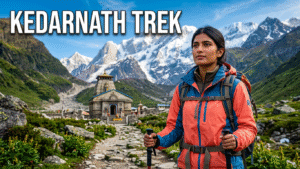
Gaurikund to Kedarnath Trek Guide: 16+ KM Journey, Real Challenges & Lessons for First-Time Pilgrims
Walking from Gaurikund to Kedarnath is much more than a mountain trek. For pilgrims, it is a journey of faith, endurance and patience. The route covers more than 16 kilometres, climbing from the lower Himalayan valley toward Kedarnath at roughly 3,500 metres (11,500+ feet) above sea level. For a first-time pilgrim, however, the reality can be very different from what photographs suggest. The weather can change suddenly, the trail can become steep and slippery, the air gets thinner as you climb, and carrying unnecessary luggage can turn an already demanding journey into an exhausting one. The key lesson is simple: you don’t need to rush the Kedarnath trek—you need to prepare for it. The Journey Begins at Gaurikund Gaurikund is where the road journey effectively ends and the trek toward Kedarnath begins. The atmosphere here can be energetic and crowded, with pilgrims preparing for the long walk ahead. It is tempting to start quickly, especially when the excitement of finally beginning the Kedarnath Yatra takes over. But this is one of the first mistakes first-time trekkers should avoid. The opening section can make you feel stronger than you actually are. Your body is still fresh, the excitement is high, and the climb may initially seem manageable. But the kilometres ahead can test your legs and breathing much more than the first few kilometres suggest. Start slowly. A comfortable, sustainable pace is far more important than trying to reach the next stop quickly. What Makes the Kedarnath Trek Difficult? The challenge isn’t simply the distance. You are dealing with several things simultaneously: Long hours of walking Continuous elevation gain Steep sections Uneven and rocky terrain Rain and wet pathways Cold temperatures Reduced oxygen at higher elevations Crowded sections of the trail Pony and mule traffic Physical fatigue The elevation also changes dramatically during the journey. Gaurikund is around 2,000 metres, while Kedarnath is above 3,500 metres. That elevation gain is one reason why a pace that feels comfortable at the beginning may become difficult later. What Should You Pack for Kedarnath? One of the biggest lessons from the trek is that packing light matters. You don’t need to carry your entire travel bag on your back. Keep heavier luggage at your accommodation or use the available luggage/transport arrangements where appropriate. Your trekking backpack should contain only things you are likely to need during the journey. 1. Dress in Layers Instead of wearing one extremely heavy jacket, carry multiple lightweight layers. A practical combination can include: Moisture-wicking inner layer T-shirt or light mid-layer Warm fleece Waterproof outer layer The advantage of layering is that you can add or remove clothing as your body temperature changes. You may feel warm while climbing and suddenly cold when you stop. 2. Don’t Underestimate Rain Mountain weather can change quickly. A good-quality rain poncho or waterproof jacket can become one of the most useful things in your backpack. An umbrella may seem convenient, but on exposed and windy sections of the trail it isn’t always practical. Most importantly, protect your backpack and spare clothes from getting wet. 3. Your Shoes Can Make or Break the Trek This is not the place to experiment with brand-new footwear. Use comfortable trekking shoes with: Good grip Adequate cushioning Reasonable ankle support A sole suitable for wet and rocky terrain And carry extra socks. A wet pair of socks after hours of walking can make the journey considerably more uncomfortable. What Should You Eat and Drink? Cold weather can make you less aware of thirst. That’s why one common mistake is simply forgetting to drink enough water. Don’t wait until you’re extremely thirsty. Take regular small sips and keep some quick-energy food accessible. Useful options include: Dry fruits Energy bars Bananas Glucose/electrolyte drinks ORS, if appropriate for you Light snacks Avoid turning the trek into a heavy feast at every stop. Your body has to digest the food while simultaneously dealing with altitude and physical exertion. Don’t Forget a Trekking Stick A simple trekking pole or walking stick can be surprisingly useful. On uphill sections it provides additional support, while during descents it can reduce some of the load placed on your knees. For older pilgrims or people who aren’t accustomed to mountain walking, this can be particularly helpful. Gaurikund to Jungle Chatti: Don’t Waste Your Energy The beginning of the trek is where you should establish your rhythm. Don’t compete with other pilgrims. Someone walking faster than you isn’t necessarily going to have an easier journey later. Walk at a pace at which you can breathe comfortably and maintain a conversation. Take short breaks rather than waiting until you’re completely exhausted. The objective isn’t: “How quickly can I reach Kedarnath?” The objective is: “How comfortably can I keep moving toward Kedarnath?” Bheembali to Lincholi: The Trek Gets More Serious As the journey continues, the physical demands become more noticeable. Steeper sections, uneven surfaces and crowded portions can make walking slower. Another challenge is the movement of ponies and mules along the route. Always remain aware of your surroundings and give animals sufficient space to pass. Don’t stop suddenly in the middle of a narrow section simply to take a photograph. This is also a good time to understand why pacing yourself early matters. The energy you save during the first few hours can become extremely valuable later. Lincholi to Kedarnath: When Fatigue Sets In For many pilgrims, the final section feels mentally as well as physically demanding. You have already walked for several hours. Your legs are tired. The temperature may have dropped. And the thinner air at higher elevation can make even a relatively short climb feel surprisingly difficult. This is where patience becomes important. Take breaks. Breathe normally. Drink water. Eat something light. And continue at your own pace. The sight of Kedarnath ahead can provide an enormous psychological boost—but don’t allow excitement to make you suddenly increase your pace. The Biggest Packing Mistake: Carrying Too Much One of the easiest ways to make the trek

सोनप्रयाग: केदारनाथ का प्रवेश द्वार, जहां हिमालय की शांति और प्रकृति की गर्जना एक साथ मिलती है
उत्तराखंड के रुद्रप्रयाग जिले में स्थित **सोनप्रयाग** एक छोटा सा पहाड़ी कस्बा है, लेकिन केदारनाथ यात्रा करने वाले लाखों श्रद्धालुओं के लिए इसका महत्व बहुत बड़ा है। अधिकांश यात्री इसे केवल केदारनाथ जाने के रास्ते का एक पड़ाव मानते हैं, लेकिन यदि आप यहां कुछ समय बिताएं तो आपको महसूस होगा कि सोनप्रयाग अपने आप में एक खूबसूरत और आध्यात्मिक गंतव्य है। हमारी केदारनाथ यात्रा के दौरान हमने सोनप्रयाग में एक रात बिताई। इस छोटे से पहाड़ी कस्बे ने हमें हिमालय की सादगी, प्रकृति की शक्ति और यात्रा की वास्तविक चुनौतियों से परिचित कराया। यहां की नदियों की आवाज, ठंडी हवा, पहाड़ों का दृश्य और तीर्थयात्रियों की भीड़ एक ऐसा अनुभव बनाती है जिसे शब्दों में पूरी तरह व्यक्त करना मुश्किल है। सोनप्रयाग कहां स्थित है? सोनप्रयाग उत्तराखंड के रुद्रप्रयाग जिले में स्थित है और केदारनाथ जाने वाले यात्रियों के लिए अंतिम प्रमुख पड़ावों में से एक है। यह समुद्र तल से लगभग 1,800 मीटर की ऊंचाई पर स्थित है। यहां **मंदाकिनी नदी और वासुकी गंगा** का संगम होता है। हिंदू धर्म में संगम स्थलों को अत्यंत पवित्र माना जाता है और इसी कारण सोनप्रयाग का धार्मिक महत्व भी बहुत अधिक है। गौरीकुंड यहां से लगभग 5 किलोमीटर दूर है, जहां से केदारनाथ की पैदल यात्रा शुरू होती है। केदारनाथ यात्रा में सोनप्रयाग का महत्व आज के समय में अधिकांश निजी वाहनों को सोनप्रयाग तक ही जाने की अनुमति होती है। यहां से यात्रियों को साझा टैक्सी या स्थानीय वाहन लेकर गौरीकुंड पहुंचना पड़ता है। यात्रा सीजन में पूरा कस्बा श्रद्धालुओं से भर जाता है। हर तरफ होटल, धर्मशालाएं, टैक्सी, घोड़े, खच्चर और यात्रियों की लंबी कतारें दिखाई देती हैं। यदि आप केदारनाथ जा रहे हैं तो लगभग निश्चित है कि आपका सामना सोनप्रयाग से होगा। हमारा सोनप्रयाग पहुंचना सितंबर का महीना था। मानसून लगभग समाप्त हो चुका था और पहाड़ हरे-भरे दिखाई दे रहे थे। रास्ते भर मंदाकिनी नदी हमारे साथ-साथ चलती रही। शाम तक हम सोनप्रयाग पहुंचे। मौसम ठंडा था लेकिन भीड़ अपेक्षाकृत कम थी। यही कारण था कि हमें होटल ढूंढने में कोई परेशानी नहीं हुई। सितंबर में होटल: उम्मीद से कहीं ज्यादा सस्ते अक्सर इंटरनेट पर पढ़ने को मिलता है कि केदारनाथ मार्ग पर होटल काफी महंगे होते हैं। लेकिन हमारा अनुभव थोड़ा अलग रहा। सितंबर में हमें कई ऐसे होटल मिले जहां तीन लोगों के लिए कमरा ₹1,000 से भी कम में उपलब्ध था। काफी देखने के बाद हमने एक रिसॉर्ट जैसे होटल में कमरा लिया। कमरा लकड़ी का बना हुआ था, अंदर सामान्य बिस्तर था और मोटी रजाइयां दी गई थीं। अटैच बाथरूम, बिजली और जरूरी सुविधाएं मौजूद थीं। कमरे का किराया लगभग ₹1,200 था। हिमालय के बीच इस तरह का कमरा और सुविधाएं देखकर हमें लगा कि यह कीमत बिल्कुल उचित है। पूरी रात बारिश जैसा शोर हमारा होटल एक प्राकृतिक जलधारा के पास स्थित था। रात को जब हम सोने गए तो लगातार एक तेज आवाज सुनाई देती रही। शुरुआत में लगा कि बाहर भारी बारिश हो रही है। लेकिन खिड़की खोलकर देखा तो आसमान साफ था। असल में वह पास बहते पहाड़ी झरने की आवाज थी। पूरी रात ऐसा महसूस होता रहा जैसे तेज बारिश हो रही हो। शहरों में रहने वालों के लिए यह अनुभव बेहद अनोखा होता है। पहाड़ों की शांति के बीच बहते पानी की गर्जना आज भी मेरी यात्रा की सबसे यादगार बातों में शामिल है। सोनप्रयाग का भोजन: यात्रा का सबसे कमजोर पक्ष यदि कोई मुझसे पूछे कि सोनप्रयाग और केदारनाथ यात्रा में सबसे निराशाजनक चीज क्या थी, तो मेरा उत्तर होगा—भोजन। यहां अच्छा खाना ढूंढना आसान नहीं है। अधिकांश स्थानों पर केवल शुद्ध शाकाहारी भोजन मिलता है, जो धार्मिक दृष्टि से स्वाभाविक भी है। लेकिन गुणवत्ता कई जगह औसत लगी। कुछ स्थानों पर ऐसा महसूस हुआ जैसे सब्जियां कई दिनों से रखी हुई हों। रोटियों का आटा भी कई बार ऐसा लगा जैसे लंबे समय तक फ्रिज में रखा गया हो। हालांकि भोजन देखने में साफ-सुथरा और स्वास्थ्यकर था। हमें कहीं भी अस्वच्छता नहीं दिखी और न ही किसी प्रकार की स्वास्थ्य समस्या हुई। लेकिन स्वाद, ताजगी और विविधता के मामले में मैं प्रभावित नहीं हुआ। एक और चीज जिसने मुझे हैरान किया, वह थी चाय। कई जगहों पर ताजा बनी चाय की बजाय टेट्रा पैक चाय मिल रही थी। पहाड़ों में गर्मागर्म ताजी चाय की उम्मीद करने वाले यात्रियों को यह थोड़ा अजीब लग सकता है। व्यक्तिगत रूप से कहूं तो मैं सोनप्रयाग, केदारनाथ या उत्तराखंड को भोजन के लिए कभी विशेष रूप से नहीं सुझाऊंगा। यहां की असली खूबसूरती प्रकृति और आध्यात्मिकता में है, भोजन में नहीं। सोनप्रयाग के आसपास क्या देखें? 1. गौरीकुंड:- केदारनाथ ट्रेक की शुरुआत यहीं से होती है। यह स्थान देवी पार्वती से जुड़ी मान्यताओं के कारण प्रसिद्ध है। 2. केदारनाथ मंदिर:- भारत के बारह ज्योतिर्लिंगों में से एक। करोड़ों श्रद्धालुओं की आस्था का केंद्र। 3. त्रियुगीनारायण मंदिर:- मान्यता है कि भगवान शिव और माता पार्वती का विवाह यहीं संपन्न हुआ था। 4. वासुकी ताल:- ऊंचाई पर स्थित एक सुंदर ग्लेशियर झील, जो ट्रेकर्स के बीच लोकप्रिय है। 5. गुप्तकाशी:- प्राचीन मंदिरों और हिमालयी दृश्यों के लिए प्रसिद्ध। सोनप्रयाग और सीतापुर बहुत कम लोग जानते हैं कि सोनप्रयाग से लगभग एक किलोमीटर पहले **सीतापुर** स्थित है। हमारे लिए सीतापुर एक सुखद आश्चर्य था। यहां का बस स्टैंड पहाड़ी क्षेत्र के हिसाब से काफी शानदार और व्यवस्थित लगा। लेकिन एक समस्या है—बसों की संख्या बहुत कम है। हमारे अनुभव के अनुसार यहां से रोज बहुत सीमित बसें चलती हैं: हरिद्वार देहरादून रुद्रप्रयाग बद्रीनाथ यदि आप सार्वजनिक परिवहन पर निर्भर हैं तो समय पहले से पता करना बेहतर रहेगा। सोनप्रयाग में मौसम अप्रैल से जून:- सबसे लोकप्रिय समय। मौसम सुहावना रहता है। जुलाई से सितंबर:- बारिश और भूस्खलन की संभावना रहती है, लेकिन पहाड़ सबसे हरे-भरे दिखाई देते हैं। सितंबर से नवंबर:-मेरे अनुसार यात्रा के लिए शानदार समय। भीड़ अपेक्षाकृत कम और होटल सस्ते मिल सकते हैं। दिसंबर से मार्च:- अत्यधिक ठंड और कई सुविधाएं बंद रहती हैं। यात्रियों के लिए सुझाव गर्म कपड़े हमेशा साथ रखें। रेनकोट या छाता जरूर रखें। होटल पहले से बुक करना बेहतर है, खासकर यात्रा सीजन में। नकद राशि साथ रखें क्योंकि नेटवर्क समस्याएं

बर्फ में मिला दोस्त”
क्या आपने कभी महसूस किया है… कि जब पूरी दुनिया आपको छोड़ देती है… तब जिंदगी किसी अनजान को आपके पास भेज देती है? कभी एक इंसान… कभी एक घटना… और कभी… एक छोटा सा दोस्त। जैक को नहीं पता था… कि आज की सुबह… उसकी जिंदगी बदलने वाली है। और इसकी शुरुआत होगी… बर्फ के नीचे छिपे एक छोटे से जीव से। [INTRO] दो फोन कॉल। एक साइमन को। दूसरी डॉ. क्रूगर को। दोनों खत्म हो चुकी थीं। और अब… घर में सिर्फ खामोशी थी। ऐसी खामोशी… जो इंसान को अपने विचारों से डराने लगती है। जैक खिड़की के पास खड़ा था। बाहर सफेद बर्फ की चादर बिछी हुई थी। क्रिसमस के अगले दिन की सुबह थी। सड़कें लगभग खाली थीं। कोई शोर नहीं। कोई भीड़ नहीं। सिर्फ ठंडी हवा… और अंतहीन सन्नाटा। कल रात… नौकरी छोड़ने के बाद… उसे अजीब सी शांति महसूस हुई थी। लेकिन आज… वह शांति गायब हो चुकी थी। उसकी जगह… खालीपन ने ले ली थी। “अगर मैं घर में और बैठा रहा… तो पागल हो जाऊंगा।” उसने खुद से कहा। उसने जैकेट पहनी। टोपी लगाई। और बाहर निकल गया। [SNOWY BERLIN] बर्लिन… आज किसी पोस्टकार्ड जैसा दिख रहा था। पुरानी इमारतें… सफेद छतें… पेड़ों पर जमी बर्फ… और दूर तक फैली शांति। कुछ समय के लिए… जैक अपने दुख भूल गया। वह धीरे-धीरे चलता रहा। पहले अपने मोहल्ले में। फिर एक पार्क की तरफ। लेकिन सिर्फ दस मिनट बाद… उसकी सांस फूलने लगी। वह हांफ रहा था। उसका सीना तेजी से ऊपर-नीचे हो रहा था। और तभी… उसे एक कड़वा सच याद आया। वह सिर्फ अट्ठाईस साल का था। लेकिन कुछ किलोमीटर चलना भी उसके लिए मुश्किल हो चुका था। [REGRET] उसे डॉक्टर की बातें याद आईं। “जंक फूड छोड़ो।” “एक्सरसाइज शुरू करो।” “वरना बाद में पछताओगे।” छह महीने पहले डॉक्टर ने यही कहा था। और उसने? कुछ भी नहीं किया। जैक पार्क की एक बेंच पर बैठ गया। सांसें संभालने लगा। उसे लगा… शायद उसकी जिंदगी का सबसे बुरा समय चल रहा है। लेकिन… किस्मत कुछ और सोच चुकी थी। [THE DISCOVERY] अचानक… उसे अपने जूते के पास कुछ हलचल महसूस हुई। उसने नीचे देखा। और चौंक गया। एक छोटा सा पिल्ला… उसके जूते के फीते चबा रहा था। चॉकलेट रंग का। छोटे-छोटे कान। ठंड से कांपता हुआ। और बिल्कुल अकेला। जैक के चेहरे पर कई दिनों बाद मुस्कान आई। “अरे छोटे… तुम यहाँ क्या कर रहे हो?” पिल्ले ने जवाब में उसकी उंगली चाट ली। जैक हंस पड़ा। [SEARCHING FOR FAMILY] उसने चारों तरफ देखा। शायद कोई मालिक होगा। शायद कोई परिवार। शायद कोई बच्चा उसे ढूंढ रहा होगा। लेकिन… वहाँ कोई नहीं था। सिर्फ बर्फ। और सन्नाटा। जैक ने पिल्ले को उठाया। उसे अपनी जैकेट के अंदर रखा। पिल्ला कांप रहा था। बहुत ज्यादा। “बेचारे… कल रात तुमने कैसे गुजारी होगी?” जैक ने धीरे से कहा। [EMOTIONAL CONNECTION] दोनों पार्क में घूमते रहे। मालिक को खोजते रहे। लेकिन कोई नहीं मिला। धीरे-धीरे सच सामने आने लगा। किसी ने उसे छोड़ दिया था। क्रिसमस की रात। बर्फ में। अकेला। जैक कुछ सेकंड तक चुप रहा। उसे अचानक एहसास हुआ… कि इस पिल्ले और उसमें बहुत समानता थी। दोनों अकेले थे। दोनों छोड़े जा चुके थे। दोनों अपनी जिंदगी की दिशा खो चुके थे। और दोनों को… एक दोस्त की जरूरत थी। [THE DECISION] जैक ने पिल्ले को अपने सामने उठाया। “तो अब क्या करें?” पिल्ले ने उसकी नाक चाट ली। जैक हंस पड़ा। कई दिनों बाद… वह दिल से हंसा था। तभी उसके दिमाग में एक विचार आया। “क्यों न तुम्हें घर ले चलूं?” उसने चारों तरफ फिर देखा। कोई मालिक नहीं। कोई तलाश नहीं। कोई उम्मीद नहीं। बस एक छोटा सा जीव… जो अब उसकी तरफ भरोसे से देख रहा था। और एक आदमी… जिसे खुद भी सहारे की जरूरत थी। [NEW FRIEND] जैक ने पिल्ले को सीने से लगा लिया। “ठीक है दोस्त…” “आज से हम साथ हैं।” पिल्ले ने खुशी से पूंछ हिलाई। जैक मुस्कुराया। और पहली बार… नौकरी छोड़ने के बाद… उसे लगा कि शायद… सब कुछ खत्म नहीं हुआ है। उसने बर्फ से ढकी सड़क पर कदम बढ़ाए। अब वह अकेला नहीं था। चलते-चलते उसने कहा— “तुम्हारा नाम होगा…” कुछ सेकंड उसने सोचा। फिर मुस्कुराया। “बड।” “मेरा छोटा दोस्त।” और इसी के साथ… एक नई दोस्ती की शुरुआत हुई… जो आने वाले दिनों में… जैक की जिंदगी को पूरी तरह बदल देगी। [CLIFFHANGER] लेकिन… जैक को अभी नहीं पता था… कि यह छोटा सा पिल्ला… उसे सिर्फ खुशी ही नहीं देगा… बल्कि उसे फिर से जीना भी सिखाएगा। अगले एपिसोड में… बड पहुंचेगा जैक के घर… और शुरू होगी… उन दोनों की नई जिंदगी।
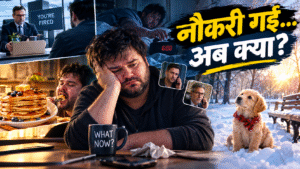
नौकरी गई… अब क्या?”
क्या आपने कभी सुबह उठकर महसूस किया है… कि आपकी पूरी दुनिया एक रात में बदल चुकी है? न ऑफिस जाना है… न किसी मीटिंग की चिंता… न किसी डेडलाइन का दबाव… सुनने में अच्छा लगता है… लेकिन अगर यह सब इसलिए हो… क्योंकि आपने अपनी नौकरी खो दी है… तो? जैक की आंख अचानक खुली। कमरे में अभी भी अंधेरा था। खिड़की के बाहर बर्फ जमी हुई थी। उसका हाथ आदतन अलार्म घड़ी की ओर बढ़ा। उसने अलार्म बंद किया। और बिस्तर से उठने ही वाला था… कि अचानक उसके दिमाग में बिजली सी कौंधी। वह वहीं रुक गया। कुछ सेकंड तक उसकी सांसें थम गईं। फिर वह धीरे-धीरे कुर्सी पर बैठ गया। कल रात… उसने नौकरी छोड़ दी थी। यह कोई सपना नहीं था। यह सच था। वह बेरोजगार हो चुका था। जैक ने खुद को चुटकी काटी। एक बार। फिर दूसरी बार। दर्द हुआ। मतलब… यह सच था। दस साल में पहली बार… सुबह के छह बजे थे… और उसके पास कहीं जाने की कोई वजह नहीं थी। अचानक उसके पेट ने जोर से आवाज की। भूख। कम से कम एक चीज अभी भी पहले जैसी थी। जैक रसोई की ओर बढ़ा। उसने दूध निकाला। सीरियल निकालने वाला था… लेकिन फिर रुक गया। आज उसे जल्दी नहीं थी। आज कोई लैब नहीं थी। कोई प्रयोग नहीं था। कोई बॉस नहीं था। तो क्यों न एक शानदार नाश्ता किया जाए? कुछ देर बाद… रसोई में पैनकेक की खुशबू फैल चुकी थी। अंडे। मैदा। ब्लूबेरी। और ऊपर से बटरस्कॉच सॉस। कुछ ही मिनटों में… जैक के सामने सुनहरे पैनकेक का ढेर लगा था। और वह उन्हें ऐसे खा रहा था… जैसे वर्षों से भूखा हो। खाते-खाते… उसे अपना बचपन याद आ गया। जब हर रविवार उसकी मां केक बनाती थीं। जब वह चॉकलेट के लिए पागल था। जब दुनिया की सबसे बड़ी खुशी… अच्छा खाना हुआ करती थी। लेकिन… खुशियों के साथ अक्सर अपराधबोध भी आता है। उसने नीचे अपने पेट की ओर देखा। 140 किलो। उसे डॉक्टर की बातें याद आ गईं। ब्लड प्रेशर। कोलेस्ट्रॉल। मोटापा। और असफलता। फिर उसके दिमाग में एक और विचार आया। “मैंने आखिर नौकरी छोड़ कैसे दी?” कल रात जो हिम्मत दिखाई थी… वह आज गायब थी। अब सिर्फ डर बचा था। क्या होगा? लोग क्या सोचेंगे? डॉ. क्रूगर क्या सोचेंगे? साइमन क्या सोचेगा? घबराहट बढ़ने लगी। वह कमरे में चक्कर काटने लगा। उसका दिल तेजी से धड़क रहा था। उसे लग रहा था जैसे सब कुछ खत्म हो गया हो। और फिर… उसने एक और पैनकेक खा लिया। फिर दूसरा। फिर बटरस्कॉच की पूरी बोतल मुंह से लगा ली। कुछ सेकंड बाद… वह खांस रहा था। लगभग दम घुट गया था। “बहुत बढ़िया जैक…” उसने खुद से कहा। “जिंदगी पहले ही बर्बाद है… अब खुद को भी खत्म कर लो।” कुछ देर बाद… उसने फोन उठाया। सबसे पहले साइमन को कॉल किया। कॉल पहली घंटी में उठ गई। जैसे वह इंतजार कर रहा हो। “जैक… क्या यह सच है?” साइमन की आवाज धीमी थी। जैक हंसा। कम से कम कोशिश की। “हाँ दोस्त… आखिरकार तुम मुझसे आजाद हो गए।” कुछ सेकंड तक दोनों चुप रहे। फिर जैक बोला— “मैं टूट रहा था साइमन… मुझे रुकना पड़ता… वरना मैं पूरी तरह खत्म हो जाता।” दूसरी तरफ फिर खामोशी थी। फिर साइमन बोला— “अपना ख्याल रखना।” और उसने फोन काट दिया। उसके बाद जैक ने अपने बॉस… डॉ. क्रूगर को फोन किया। उसे उम्मीद थी कि वे गुस्सा होंगे। चिल्लाएंगे। उसे गैर-जिम्मेदार कहेंगे। लेकिन जो हुआ… उसकी उसने कल्पना भी नहीं की थी। डॉ. क्रूगर ने सिर्फ एक सवाल पूछा। “तुमने हमें पहले क्यों नहीं बताया?” जैक चुप हो गया। क्योंकि उसके पास कोई जवाब नहीं था। फिर डॉ. क्रूगर ने कहा— “तुम सबसे प्रतिभाशाली वैज्ञानिक हो… जिसे मैंने कभी नियुक्त किया है। लेकिन प्रतिभा का क्या फायदा… अगर इंसान अंदर से टूट चुका हो?” ये शब्द… जैक के दिल में उतर गए। पहली बार… किसी ने उसकी असफलता नहीं देखी। किसी ने उसका दर्द देखा। फोन कट गया। घर फिर से शांत हो गया। बहुत शांत। इतना शांत… कि जैक को अपने ही विचारों की आवाज सुनाई देने लगी। उसे नहीं पता था… कि कुछ ही घंटों बाद… एक बर्फीले पार्क में… उसकी मुलाकात ऐसे दोस्त से होने वाली है… जो उसकी जिंदगी की दिशा बदल देगा। लेकिन वह दोस्त इंसान नहीं होगा। वह होगा… एक छोटा सा पिल्ला।
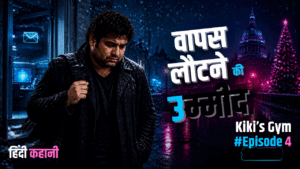
वापस लौटने की उम्मीद
चार साल… चार साल उसने अपनी पूरी ज़िंदगी… एक ऐसे सपने के पीछे लगा दी थी, जिसका कोई अंत उसे दिखाई नहीं दे रहा था। टेलीपोर्टेशन… जिसे कभी उसने इंसानियत का भविष्य समझा था, आज वही सपना… उसकी ज़िंदगी की सबसे बड़ी हार बन चुका था। लेकिन असली कीमत… सिर्फ उसके प्रोजेक्ट ने नहीं चुकाई थी। उसने खोया था… अपना रिश्ता। अपनी सेहत। अपनी मानसिक शांति। और शायद… अपने आप को भी। जैक को सामंथा याद आई। वही सामंथा… जिससे उसने सगाई की थी। लेकिन सगाई के कुछ ही दिनों बाद… वह उसे छोड़कर चली गई थी। उसके शब्द आज भी जैक के कानों में गूंज रहे थे। **“मान लो, जैक…”** **“हमारा रिश्ता तुम्हारी प्राथमिकताओं में सबसे नीचे है।”** **“मैं तुम्हें अपने काम में डूबते हुए देखती हूँ…”** **“और मुझे इससे ज्यादा चाहिए।”** जैक ने तब भी… उसे रोकने की कोशिश नहीं की थी। शायद… कहीं न कहीं वह जानता था… कि सामंथा सही थी। वह कभी अपने काम से छुट्टी नहीं ले सकता था। और अगर वह उससे शादी कर लेती… तो शायद… वह पूरी ज़िंदगी एक ऐसे आदमी के साथ फँसी रहती… जिसके लिए काम हमेशा सबसे पहले आता। इसलिए जैक ने खुद को समझा लिया था… कि जो हुआ… शायद अच्छे के लिए ही हुआ। लेकिन आज… उसे पहली बार महसूस हुआ… कि सामंथा को खोने के साथ… उसने अपनी ज़िंदगी का एक बहुत बड़ा हिस्सा भी खो दिया था। और फिर… उसे अपनी सेहत का ख्याल आया। आज सुबह आईने में खुद को देखकर… वह खुद को पहचान तक नहीं पाया था। कभी वह फिट और एथलेटिक हुआ करता था। भूरे बाल। हरी आँखें। मज़बूत जबड़ा। और एक ऐसा शरीर… जिस पर कॉलेज में लड़कियाँ तक मोहित हो जाती थीं। लेकिन अब… लैब में बंद रहकर… लगातार जंक फूड खाते हुए… उसका शरीर पूरी तरह बदल चुका था। उसका वजन… **एक सौ चालीस किलो।** आँखों के नीचे काले घेरे। हाई ब्लड प्रेशर। हाइपरटेंशन। और बढ़ता हुआ कोलेस्ट्रॉल। डॉक्टर उसे चेतावनी दे चुके थे। उसे अपना वजन… बहत्तर किलो तक लाना था। सख्त डाइट अपनानी थी। व्यायाम करना था। लेकिन जैक ने… कुछ नहीं किया। काम… हमेशा काम। और अब… उसे अपनी लापरवाही का परिणाम साफ दिखाई दे रहा था। वह कुर्सी पर बैठा रहा। उसके मन में एक सवाल घूम रहा था। **“मैं चार साल से अपना सिर इस दीवार से टकरा रहा हूँ…”** **“और आज भी उतना ही अनजान हूँ, जितना शुरुआत में था।”** लैब ने उस पर इतना भरोसा किया था। इतना पैसा लगाया था। इतना समर्थन दिया था। और बदले में… उसके पास देने के लिए कुछ नहीं था। उसे डर लग रहा था। डॉ. क्रूगर का सामना कैसे करेगा? और उसके माता-पिता? जिनसे वह एक साल से मिला तक नहीं था। वह उनसे इतना दूर क्यों हो गया था? इन सवालों ने… उसके भीतर कुछ बदल दिया। जैक समझ गया… कि अगर वह इसी तरह चलता रहा… तो यह असफलता उसे पूरी तरह तोड़ देगी। उसे रुकना होगा। उसे पीछे हटना होगा। और शायद… खुद को दोबारा खड़ा करना होगा। उसने आखिरकार फैसला कर लिया। **वह एक ब्रेक लेगा।** एक लंबी छुट्टी। एक… **सैबेटिकल।** कम से कम एक साल के लिए। वह अपनी ज़िंदगी को फिर से व्यवस्थित करेगा। अपनी सेहत सुधारेगा। अपने रिश्तों को समझेगा। और फिर… एक दिन… नई आँखों से उस समस्या को दोबारा देखेगा। जैक ने अपने कंधे सीधे किए। लैपटॉप खोला। और ईमेल लिखना शुरू किया। उसके शब्दों में… चार साल की मेहनत थी। चार साल की थकान थी। और… एक वैज्ञानिक की ईमानदारी। उसने स्वीकार किया कि वह एक ऐसे मोड़ पर पहुँच चुका है… जहाँ न वह पीछे लौट सकता है… और न ही आगे बढ़ सकता है। उसने लिखा… कि उसने अपनी ज़िंदगी के चार साल इस प्रोजेक्ट को दिए हैं। लेकिन इस समय… वह पूरी तरह एक डेड एंड पर पहुँच चुका है। उसे मानसिक और शारीरिक रूप से खुद को फिर से तैयार करना होगा। उसने माफी माँगी। उसने लिखा कि उसने बड़ी वैज्ञानिक और तकनीकी सफलता का वादा किया था… लेकिन वह उसे पूरा नहीं कर पाया। और फिर… उसने आखिरी फैसला लिख दिया। **वह कम से कम एक साल के लिए सैबेटिकल ले रहा था।** अब यह लैब पर निर्भर था… कि वे उसे अपने साथ रखना चाहते हैं… या उससे अलग होना चाहते हैं। ईमेल पूरा हुआ। जैक ने उसे एक बार पढ़ा। फिर… उसने बिना दोबारा सोचे… **Send** दबा दिया। ईमेल चला गया। और उसी पल… जैसे उसके कंधों से कोई बहुत बड़ा बोझ उतर गया। वह उठा। अपना लैब कोट उतारा। उसे दरवाज़े के पीछे टाँग दिया। बस। अब यहाँ उसका कुछ नहीं था। उसका फोन भी कंपनी का था। लैपटॉप भी कंपनी का था। वह कुछ लेकर नहीं जा रहा था। जैक ने आखिरी बार अपनी लैब को देखा। वही कमरा… जहाँ उसने चार साल बिताए थे। वही मशीनें। वही उपकरण। वही स्क्रीन। वही अधूरा सपना। उसने एक गहरी साँस ली। और दरवाज़े की तरफ बढ़ गया। फिर… वह बाहर निकल आया। बर्लिन की ठंडी रात उसका इंतज़ार कर रही थी। चारों तरफ बर्फ थी। क्रिसमस की रात थी। शहर… एक खूबसूरत सफेद चादर में लिपटा हुआ था। जैक ने टैक्सी बुलाने के लिए फोन निकालना चाहा… लेकिन तभी… दूर से चर्च की घंटियों की आवाज़ सुनाई दी। **टन… टन… टन…** वह कुछ पल के लिए वहीं रुक गया। लैब के अंदर की खामोशी… और बाहर की दुनिया… एक-दूसरे से बिल्कुल अलग थीं। लैब में… जैसे समय रुक गया था। लेकिन बाहर… दुनिया चल रही थी। लोग अपने परिवारों के साथ थे। शहर अपनी रफ्तार से जी रहा था। और जैक ने मन ही मन सोचा… **“दुनिया मेरे बिना भी चलती रही…”** फिर उसने खुद से कहा… **“कोई बात नहीं।”** **“मैं भी वापस उस दुनिया का हिस्सा बनूँगा।”** उसे नहीं पता था… कि ज़िंदगी अब उसे कहाँ लेकर जाएगी। उसे नहीं पता था… कि उसका सपना फिर कभी पूरा होगा या नहीं। उसे यह भी नहीं पता था… कि अगले कुछ महीनों में उसके साथ क्या होने वाला है। लेकिन… बहुत लंबे समय के बाद… उसके अंदर कुछ महसूस हो रहा था। **उम्मीद।** जैक ने
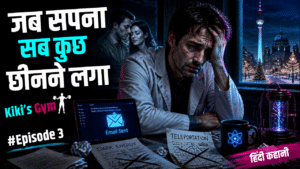
जब सपना सब कुछ छीनने लगा
मिसियस की उस कामयाबी ने जैक को अंदर तक हिला दिया था। जिस चीज़ को वह सालों से हासिल करने की कोशिश कर रहा था… वह किसी और ने कर दिखाया था। जैक की आँखों के सामने उसका पूरा प्रोजेक्ट जैसे बिखरता जा रहा था। लेकिन कहानी यहीं खत्म नहीं हुई थी। क्योंकि टेलीपोर्टेशन की नाकामी के साथ-साथ… उसका दूसरा प्रोजेक्ट भी दम तोड़ रहा था। **डार्क एनर्जी।** जिससे उसे उम्मीद थी कि शायद ब्रह्मांड के सबसे बड़े रहस्यों में से किसी एक का जवाब मिल सकेगा… वहाँ भी… कोई रास्ता दिखाई नहीं दे रहा था। चार साल। चार साल उसने अपनी ज़िंदगी के सबसे कीमती साल… एक ऐसे सपने के पीछे लगा दिए थे, जिसका कोई अंत नज़र नहीं आ रहा था। और तभी… उसके दिमाग में एक और चेहरा आया। **सामंथा।** वह लड़की… जिसके साथ जैक ने अपनी पूरी ज़िंदगी बिताने के सपने देखे थे। सामंथा एक इकोनॉमिस्ट थी। समझदार। खूबसूरत। और जैक को दिल से चाहने वाली। लेकिन जैक की ज़िंदगी में… साइंस हमेशा पहले आती थी। हर बार। जब सामंथा उसके साथ समय बिताना चाहती… जैक के पास लैब का काम होता। जब वह कहीं बाहर जाना चाहती… जैक किसी प्रयोग में व्यस्त होता। और जब उसे जैक की ज़रूरत होती… जैक के पास हमेशा एक ही जवाब होता। **“बस ये प्रयोग पूरा हो जाए…”** लेकिन… वो प्रयोग कभी पूरा नहीं हुआ। और धीरे-धीरे… सामंथा उससे दूर होती चली गई। आखिरकार… एक दिन उसने जैक को छोड़ दिया। जैक ने उस वक्त भी खुद को समझाया था… कि शायद ये ज़रूरी था। कि बड़े वैज्ञानिक बनने के लिए… कुछ चीज़ों का त्याग करना पड़ता है। लेकिन आज… उस खाली लैब में बैठकर… उसे पहली बार महसूस हुआ… कि उसने सिर्फ सामंथा को नहीं खोया था। उसने खुद को भी खो दिया था। चार साल पहले का जैक… और आज का जैक… दो बिल्कुल अलग इंसान थे। उसकी सेहत बुरी तरह बिगड़ चुकी थी। उसका वजन बढ़कर… **एक सौ चालीस किलो** हो चुका था। उसकी लंबाई करीब पाँच फीट आठ इंच थी। आँखों के नीचे गहरे काले घेरे थे। चेहरे पर थकान साफ दिखाई देती थी। ब्लड प्रेशर बढ़ चुका था। हाइपरटेंशन… और हाई कोलेस्ट्रॉल… अब उसकी ज़िंदगी का हिस्सा बन चुके थे। डॉक्टरों ने उसे साफ शब्दों में चेतावनी दी थी। उसे अपना वजन घटाकर… लगभग **बहत्तर किलो** तक लाना था। खाने-पीने पर नियंत्रण रखना था। व्यायाम करना था। अपनी ज़िंदगी बदलनी थी। लेकिन जैक ने… किसी की नहीं सुनी। क्योंकि उसके लिए… काम सबसे ऊपर था। हर चीज़ से ऊपर। यहाँ तक कि… खुद से भी ऊपर। लेकिन उस रात… कुछ बदल गया। जैक ने अपने सामने पड़े कागज़ों को देखा। कंप्यूटर स्क्रीन को देखा। उन प्रयोगों को देखा… जिनमें उसकी ज़िंदगी के चार साल दफन थे। और फिर… उसने एक फैसला कर लिया। **अब बहुत हो चुका था।** उसे नहीं पता था कि आगे क्या होगा। उसे ये भी नहीं पता था कि वह कभी वापस लैब में आएगा या नहीं। लेकिन इतना तय था… कि उसे रुकना होगा। कम से कम… एक साल के लिए। उसे एक **सैबेटिकल** चाहिए था। एक लंबा ब्रेक। साइंस से… लैब से… और शायद… खुद को फिर से खोजने के लिए। जैक ने अपना लैपटॉप खोला। एक नया ईमेल लिखा। कुछ ही शब्द थे… लेकिन उन शब्दों के पीछे… चार साल की थकान थी। उसने लैब को बताया कि उसे माफ़ करें। और ये भी लिखा… कि वह कम से कम एक साल के लिए काम से दूर रहना चाहता है। फिर… उसने ईमेल भेज दिया। **Send.** बस एक क्लिक। और जैसे… उस क्लिक के साथ… उसकी पुरानी ज़िंदगी का एक अध्याय बंद हो गया। जैक ने लैब में आखिरी बार चारों तरफ देखा। वही मशीनें। वही कंप्यूटर। वही प्रयोग। वही अधूरे सपने। लेकिन आज… इन सबके बीच… उसे पहली बार आज़ादी महसूस हो रही थी। वह उठा। अपना कोट पहना। और लैब से बाहर निकल गया। बाहर… बर्लिन की सड़कों पर बर्फ गिर रही थी। क्रिसमस की रात थी। शहर रोशनी से जगमगा रहा था। लोग अपने परिवारों के साथ घरों में थे। और जैक… कई सालों बाद… अकेला था। लेकिन इस बार… उसका अकेलापन उसे डर नहीं रहा था। वह धीरे-धीरे सड़क पर चलने लगा। तभी… दूर किसी चर्च से घंटियों की आवाज़ सुनाई दी। **टन… टन… टन…** जैक कुछ पल के लिए रुक गया। उसने ऊपर आसमान की तरफ देखा। बर्फ के छोटे-छोटे टुकड़े उसके चेहरे पर गिर रहे थे। और न जाने क्यों… उसके अंदर एक अजीब-सी उम्मीद जागी। शायद… सब कुछ खत्म नहीं हुआ था। शायद… ज़िंदगी ने उसके लिए अभी कुछ बचाकर रखा था। उसे नहीं पता था… कि अगली सुबह क्या होगा। उसे नहीं पता था… कि उसका भविष्य किस दिशा में जाने वाला है। लेकिन उस रात… एक बात तय हो चुकी थी। **जैक अब उस इंसान की तरह नहीं जीना चाहता था… जो सिर्फ अपने सपने के पीछे भागता है।** वह घर की ओर बढ़ता गया। पीछे छूट रही थी… उसकी पुरानी ज़िंदगी। और आगे… उसके इंतज़ार में था… एक ऐसा रास्ता… जिसके बारे में जैक खुद भी कुछ नहीं जानता था। **लेकिन क्या सच में टेलीपोर्टेशन का सपना खत्म हो चुका था?** या… कहीं किसी मोड़ पर… उस अधूरे प्रयोग का जवाब… अब भी उसका इंतज़ार कर रहा था? **कहानी अभी बाकी थी…** और असली रहस्य… अब शुरू होने वाला था।
