The soul of Mithila Vivah does not reside in grandeur, ornaments, or celebration alone—it lives in devotion. At its core, a Maithil marriage is a spiritual discipline, a sacred alignment of two lives bound not merely by social customs but by dharma, responsibility, and divine witness.
This is why Mithila Vivah is revered not just as a wedding, but as a spiritual journey—one that offers profound, heartfelt insights into commitment, partnership, and shared destiny. Each ritual acts as a teacher, gently guiding the couple toward a graceful union and an everlasting journey rooted in values.
This guide explores how Mithila’s ancient traditions nurture respect, emotional maturity, and spiritual responsibility in a newly married couple.
Rituals as Spiritual Pillars, Not Performances
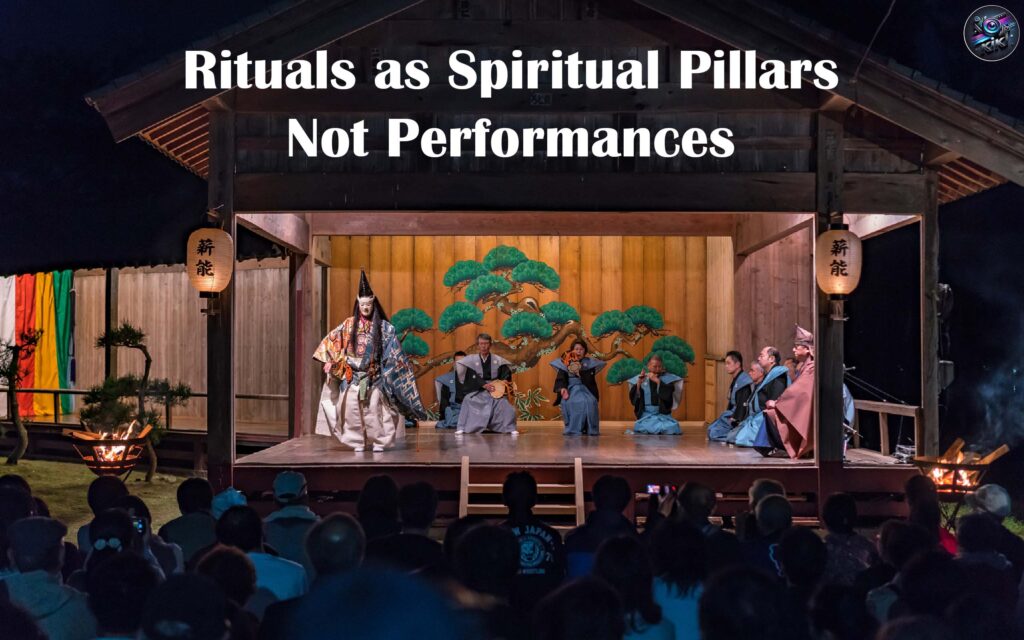
In Mithila, rituals are never symbolic alone—they are acts of devotion. From the solemnity of the Tilak Ceremony to the sacred intimacy of Panigrahan, every step is designed to awaken awareness and accountability.
- Kanyadaan: The Highest Spiritual Offering
Kanyadaan is not viewed as “giving away” a daughter, but as a spiritual merit (Punya) earned and offered by parents. It signifies trust, sacrifice, and faith in dharma—placing the daughter’s life into a sacred partnership upheld by divine law. - Saptapadi: Seven Steps, Seven Eternal Promises
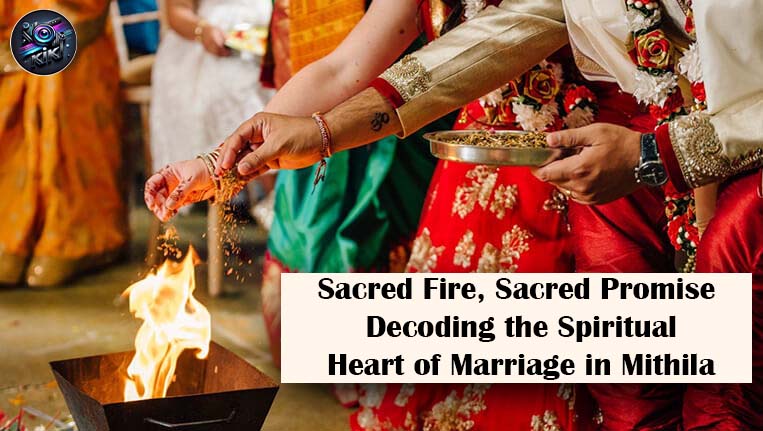
The seven vows taken before Agni (sacred fire) are not contractual agreements. They are transcendental commitments, binding two souls across material and spiritual realms—promising nourishment, strength, prosperity, harmony, progeny, friendship, and lifelong companionship.
Through these rituals, Mithila Vivah becomes a blessed values deep dive, elevating marriage beyond social obligation into spiritual purpose.
Core Spiritual Acts That Shape the Union

- Sankalpa
The conscious intention taken by the couple and family to perform the Vivah with purity, sincerity, and truth. - Homa (Fire Offering)
Offerings made to Agni to purify the union, dissolve past karmic obstacles, and seek divine grace for the future. - Ashirwad (Blessings)
Blessings from elders and the divine serve as spiritual fortification—believed to protect the marriage throughout life’s uncertainties.
Fostering Emotional Readiness Through Faith
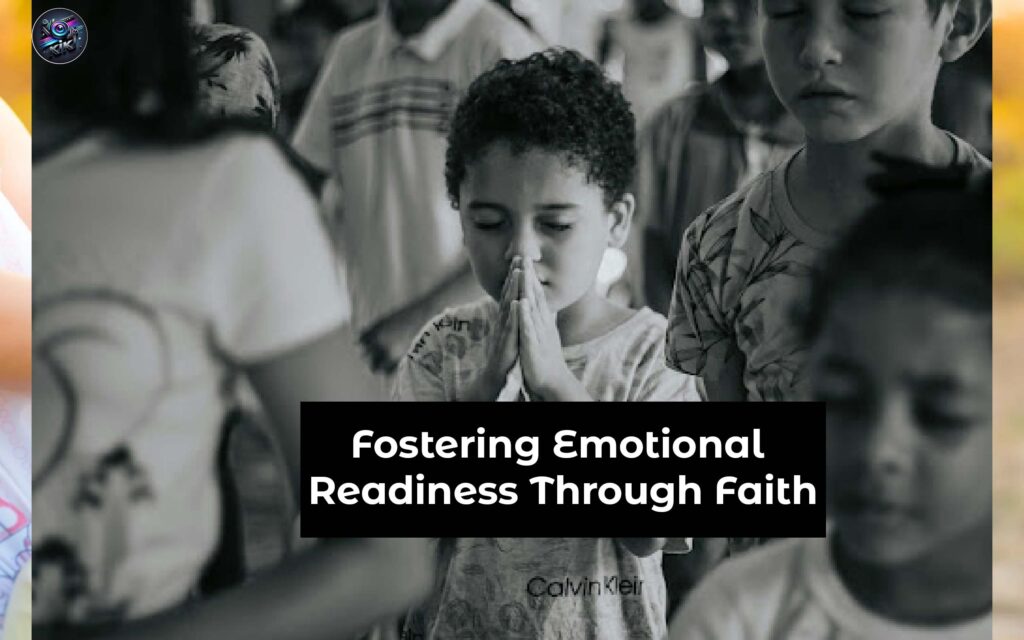
A shared spiritual foundation is central to emotional and marriage readiness. In Mithila tradition, pre-marriage preparation includes alignment on:
- Daily spiritual routines
- Moral and ethical values
- Faith-based approaches to conflict and responsibility
Such alignment strengthens communication after marriage and offers couples a steady anchor during challenges. Faith becomes not an escape, but a framework for patience, understanding, and resilience.
This nurturing approach reflects Mithila’s deeply humane cultural perspective—where spirituality supports emotional health.
The Spirituality of Everyday Married Life
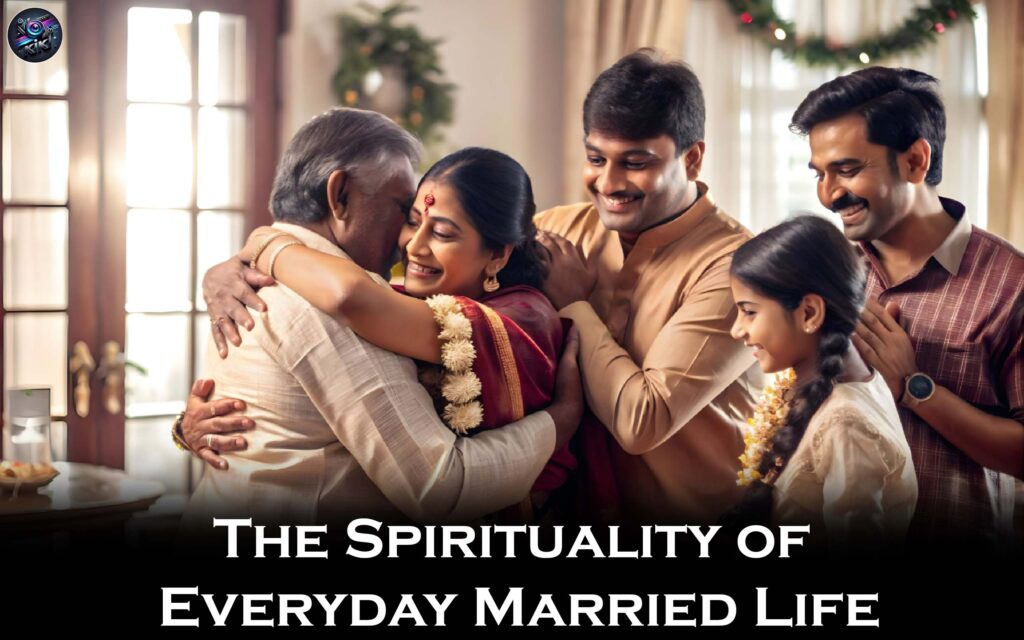
In Mithila, spirituality does not end with the wedding—it begins there.
Post-Vivah, spiritual practices naturally integrate into household life:
- Observing fasts together
- Performing Tulsi Puja
- Celebrating Mithila festivals as a family
- Maintaining ethical discipline in daily decisions
These shared practices continuously reinforce spiritual and moral values, creating a heartfelt bond and lasting harmony. Marriage thus remains a living expression of sincere celebration values and ancestral wisdom.
Choosing a Partner for a Values-Driven Life

A true Mithila Vivah is not about finding perfection—it is about finding shared purpose.
Mithila Vivah helps connect individuals who believe in:
- Sacred responsibility over convenience
- Spiritual partnership over superficial compatibility
- Lifelong commitment guided by wisdom and faith
Here, marriage becomes a graceful wisdom ceremony guide—a path walked together with reverence.
Register today to find a life partner who will honor the sacredness of Maithil marriage and walk beside you on a spiritual and emotional journey rooted in timeless values.
Because in Mithila, marriage is not just lived—
it is worshipped.