A Practical & Spiritual Guide to Hiking Bhutan’s Most Iconic Monastery
There are few places in the world that look almost unreal — suspended between earth and sky.
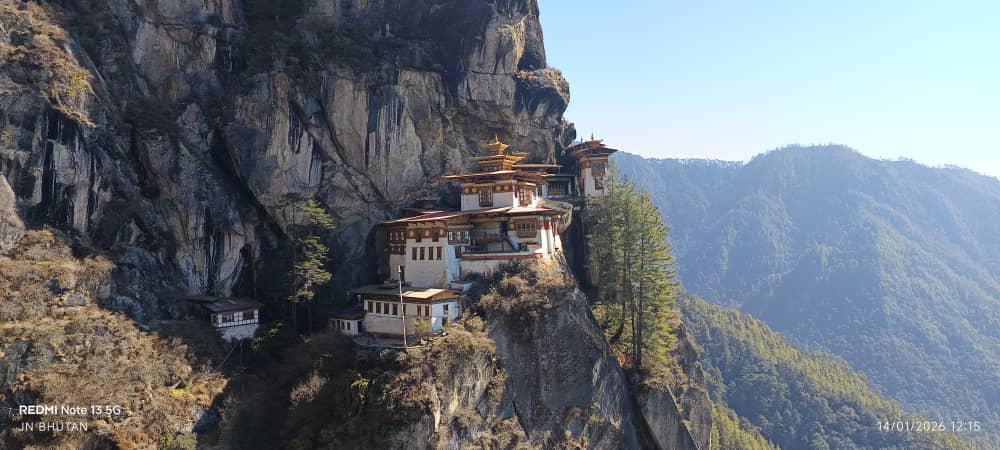
One of them is Tiger’s Nest Monastery, dramatically perched on a cliff face in the Paro Valley of Bhutan.
Officially known as
Tiger’s Nest Monastery
Locally called Paro Taktsang, this sacred monastery clings to a vertical rock face nearly 900 meters above the valley floor. It is not just Bhutan’s most photographed site — it is its spiritual symbol.
If you are planning a Bhutan trip from Siliguri/Bagdogra or flying directly into Paro, this complete hiking guide will prepare you physically, mentally, and spiritually.
Why Tiger’s Nest Is So Important
According to legend, Guru Rinpoche (Padmasambhava) flew here on the back of a tigress and meditated in a cave in the 8th century. That cave later became the foundation of this monastery.
For Bhutanese people, Tiger’s Nest is not a tourist spot — it is a sacred pilgrimage site.
When you hike up, you are not just climbing a mountain.
You are walking toward something deeply symbolic.
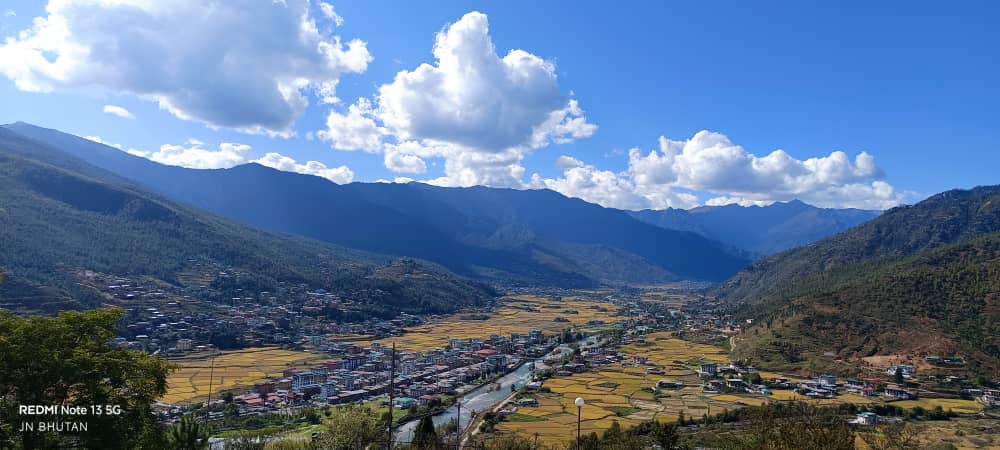
Where Is Tiger’s Nest Located?
The monastery is located near: Paro
About 10 km from Paro town
20 minutes by car to the base parking area
Paro is also home to Bhutan’s only international airport, making Tiger’s Nest easily accessible during your stay.
Tiger’s Nest Hike Overview
- Total Distance (round trip): ~6–7 km
- Elevation Gain: ~500–600 meters
- Starting Altitude: ~2,600 meters
- Monastery Altitude: ~3,120 meters
Total Time Required: 4–6 hours (depending on pace)
The trail is moderately challenging but achievable for most people with basic fitness.
Best Time to Hike Tiger’s Nest
Best Seasons:
- March–May (spring blooms)
- September–November (clear mountain views)
Best Time of Day:
Start early — around 7:30–8:00 AM.
Why?
- Cooler weather
- Fewer tourists
- Better photography light
- More peaceful experience
- Avoid late afternoon hikes — descending in the dark is not ideal.
Step-by-Step: What to Expect During the Hike
The Base Area
You begin at a small parking lot with:
- Cafés
- Souvenir stalls
- Horse rental point
Some people choose to take a pony for the first half of the hike. It reduces physical strain but still requires walking near the end.
The Initial Climb (Moderate Incline)
The first stretch is:
- Dusty trail
- Gradual incline
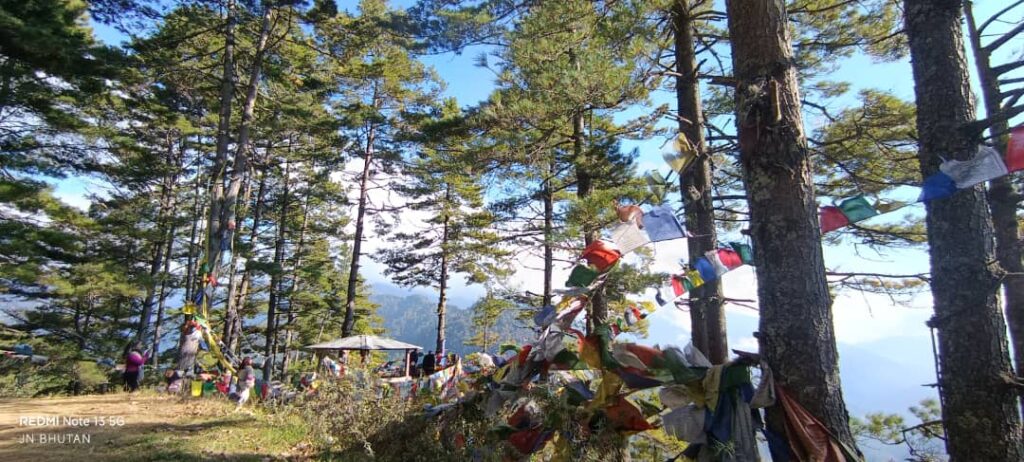
- Surrounded by pine forest
- You’ll notice prayer flags fluttering in the wind. The air is fresh and thin.
Take it slow. Bhutan rewards patience.
Midway Cafeteria Viewpoint
This is where most hikers take a break.
The cafeteria viewpoint offers your first dramatic full view of Tiger’s Nest across the valley. It feels unreal — like a monastery painted into the cliff.
You can:
- Drink tea
- Rest
- Decide whether to continue
Many elderly visitors stop here and return. That’s completely okay.
The Final Stretch
After the cafeteria, the trail:
- Descends slightly
- Crosses a waterfall
- Climbs steep stone steps
This is the most physically demanding section.
The final staircase toward the monastery feels symbolic — as if you’re shedding ego step by step.
Entering the Monastery
Once you reach Tiger’s Nest:
- No cameras allowed inside
- Bags may need to be deposited
- Silence is expected
Inside, you will see
- Prayer halls
- Sacred caves
- Butter lamps
- Monks performing rituals
The atmosphere is dim, fragrant with incense, and deeply peaceful.
This is not a sightseeing moment.
This is a stillness moment.
How Difficult Is the Tiger’s Nest Hike?
Let’s be honest.
It is not easy, but it is very doable.
You may feel:
- Breathlessness (due to altitude)
- Burning calves
- Occasional dizziness if rushing
The key is simple:
Walk slowly. Hydrate. Pause often.
You do not need to be an athlete. You need patience.
What to Wear for the Hike
- Comfortable trekking shoes
- Light jacket (even in summer)
- Sunglasses
- Cap
- Sunscreen
Avoid:
- Slippers
- Heavy backpacks
- Tight jeans
Bhutan’s sun can be strong despite cool weather.
What to Carry
- Water bottle
- Energy snacks
- Light rain jacket (weather changes quickly)
- Small backpack
- Camera (for outside only)
Keep it minimal. The climb feels harder with weight.
Should You Hire a Guide?
Yes — and not just for navigation.
A guide explains
- The legend of Guru Rinpoche
- The symbolism of caves
- The spiritual importance
- Without context, it becomes just a climb.
- With context, it becomes meaningful.
Safety Tips
- Do not rush uphill
- Avoid leaning over cliff edges
- Follow monastery rules
- Respect restricted photography areas
- Listen to your body
- If you feel unwell due to altitude, descend slowly.
Is Tiger’s Nest Safe for Older Travellers?
Many senior travellers complete the hike successfully.
Options:
- Take a horse up halfway
- Move slowly
- Stop at the cafeteria
However, those with severe knee or heart conditions should consult a doctor first.
Emotional Experience: What No Guidebook Tells You
When you first see Tiger’s Nest from the valley, it feels distant.
As you climb
- It disappears
- Reappears
- Gets closer
By the time you reach it, something shifts inside.
There is a quiet sense of achievement — but not the loud, ego-driven kind.
It feels humbling.
Perhaps that is the real purpose of this hike.
Budget vs Luxury Tiger’s Nest Experience
- Standard group guide
- Quick lunch stop
- Move to next destination
Luxury Style:
- Private guide
- Slow reflective pace
- Post-hike hot stone bath
- Curated dinner experience
The monastery is the same.
The pace is different.
Photography Tips
- Best wide shot: Cafeteria viewpoint
- Best close-up: Final staircase section
Morning light works best
Overcast skies add drama
Remember: No photography inside the monastery.
Common Mistakes to Avoid
- Starting late in the day
- Not drinking enough water
- Wearing improper shoes
- Treating it like a race
- Ignoring altitude adjustment
- Spend at least one full day in Paro before hiking to acclimatize.
When Not to Hike
Avoid hiking:
- During heavy monsoon rains
- If you have severe altitude sickness
- If you are injured
- Safety is more important than social media.
Why Tiger’s Nest Is Worth It
You will climb hundreds of steps.
You will sweat.
You will question your stamina.
And then you will stand in front of a monastery carved into a cliff — and feel small in the most beautiful way.
In a world obsessed with speed, Tiger’s Nest teaches effort.
In a world obsessed with noise, it teaches silence.
Final Thoughts
But don’t approach it like a checklist item.
Approach it as a pilgrimage — even if you are not religious.
Walk slowly.
Breathe deeply.
Look up often.
Because somewhere between the pine forest and the final staircase,
you may discover that the real climb is not physical.