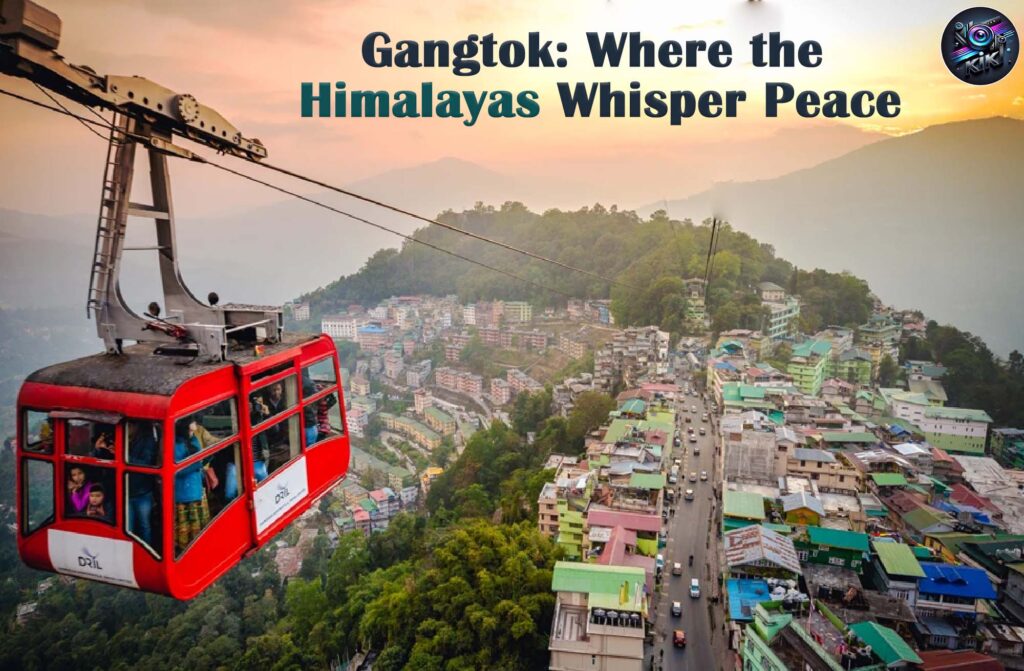
Nestled in the eastern Himalayas, Gangtok, the capital of Sikkim, is not just a hill station—it’s an experience. A place where prayer flags flutter in the mountain breeze, monasteries echo with chants, and snow-clad peaks silently watch over colorful streets. Whether you’re a nature lover, spiritual seeker, foodie, or slow traveler, Gangtok welcomes you with calm confidence.
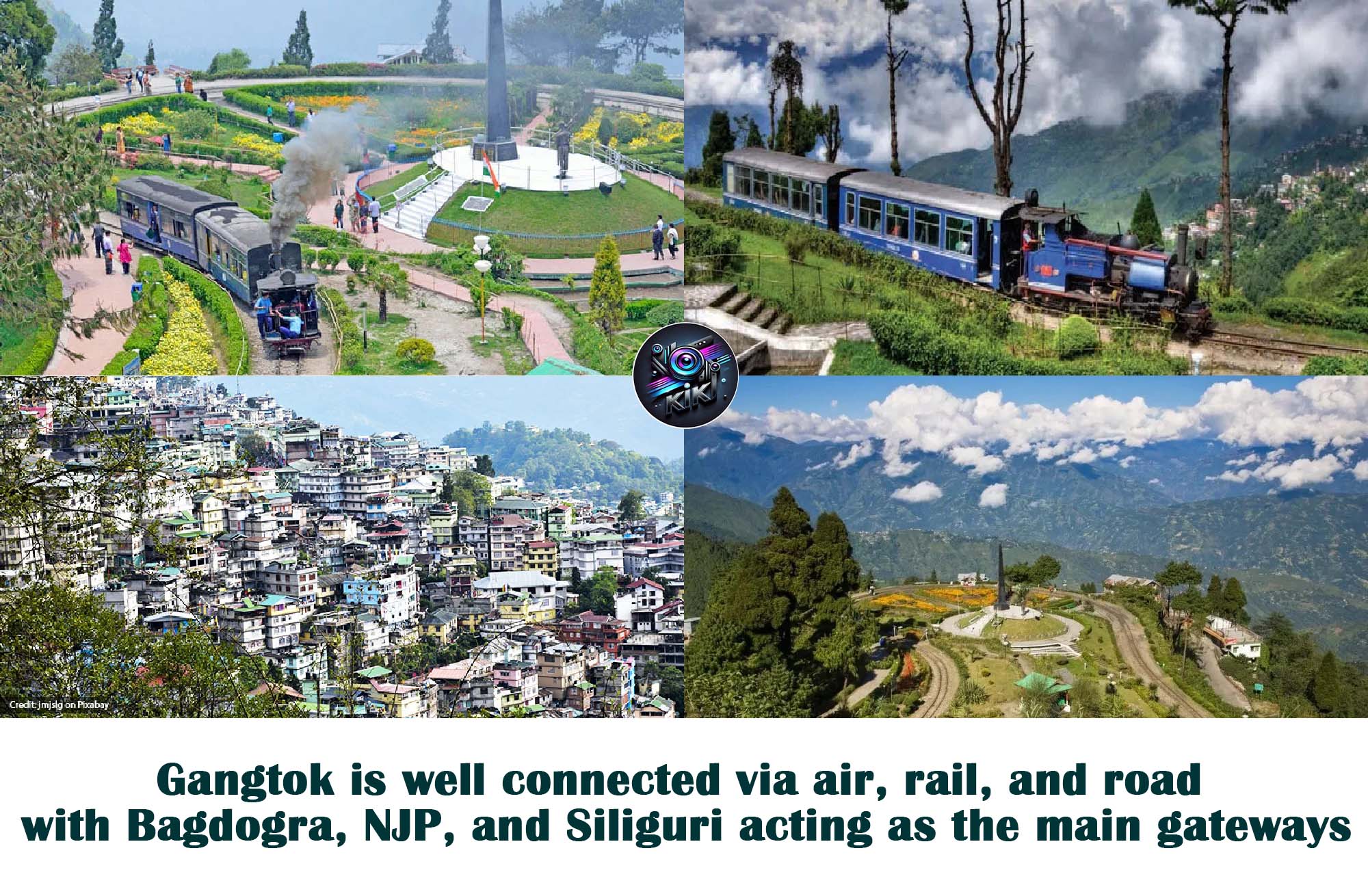
Gangtok is well connected via air, rail, and road, with Bagdogra, NJP, and Siliguri acting as the main
gateways.
From Kolkata: The fastest way is a flight from Kolkata to Bagdogra Airport (around 1.5 hours), followed by a scenic 4–5 hour road journey to Gangtok by taxi. Trains from Kolkata to New Jalpaiguri (NJP) are also frequent, with onward taxis available.
From Bagdogra Airport: Bagdogra is the nearest airport to Gangtok, located about 125 km away. Shared and private taxis are easily available outside the airport, taking 4–5 hours to reach Gangtok.
From NJP Railway Station: NJP is the closest major railhead. Shared and reserved taxis run regularly from outside the station, with a travel time of 4–5 hours.
From Siliguri: Siliguri serves as the main transit hub for Sikkim. Taxis and buses from Siliguri reach Gangtok in about 4–5 hours, offering beautiful mountain views along the way.
Tip: Start early in the day for a safer and smoother mountain drive
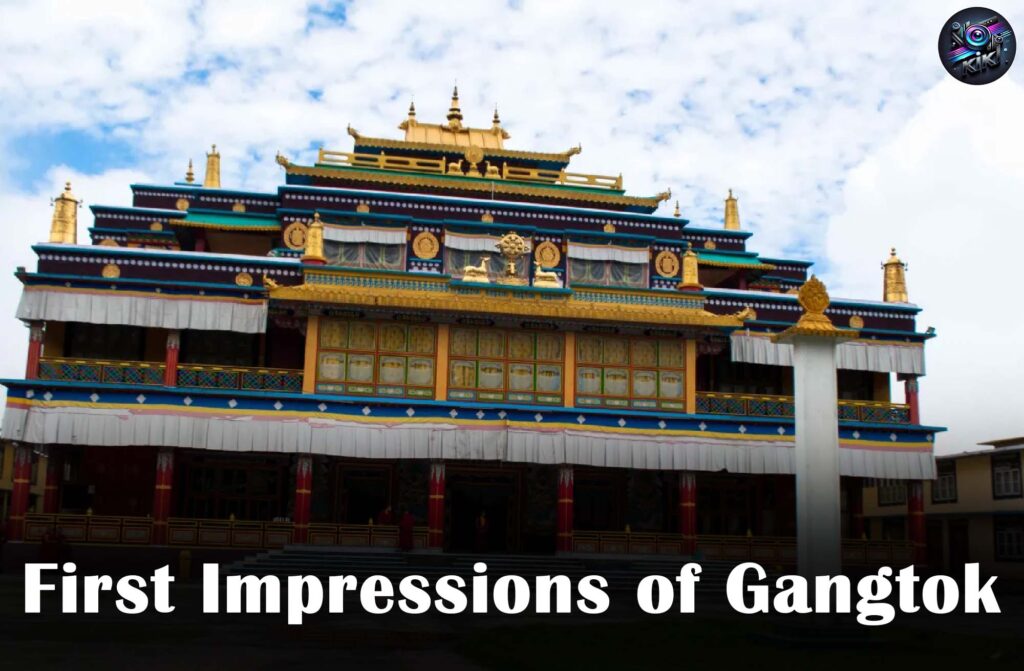
First Impressions of Gangtok
The moment you enter Gangtok, the air feels lighter—literally and emotionally. Clean roads, disciplined traffic, smiling locals, and breathtaking views set the tone. Unlike crowded hill destinations, Gangtok moves at its own gentle pace. Here, mornings begin with mist and tea, and nights end with quiet conversations and mountain silence.
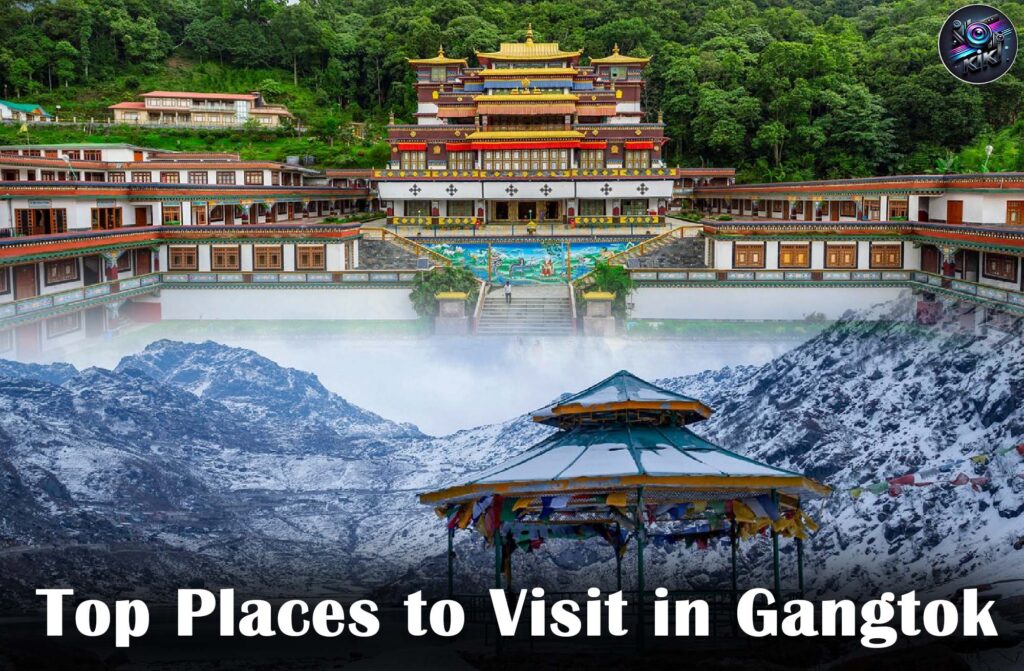
Top Places to Visit in Gangtok
MG Marg The heart of Gangtok, MG Marg is a vehicle-free promenade lined with cafés, shops, and benches. It’s spotless, lively, and perfect for evening walks. From woollen clothes to Sikkimese souvenirs, this is where Gangtok comes alive after sunset.
Rumtek Monastery One of the most significant monasteries in Sikkim, Rumtek is a spiritual and architectural marvel. Set against green hills, it offers a deep sense of calm—even if you’re not religious.
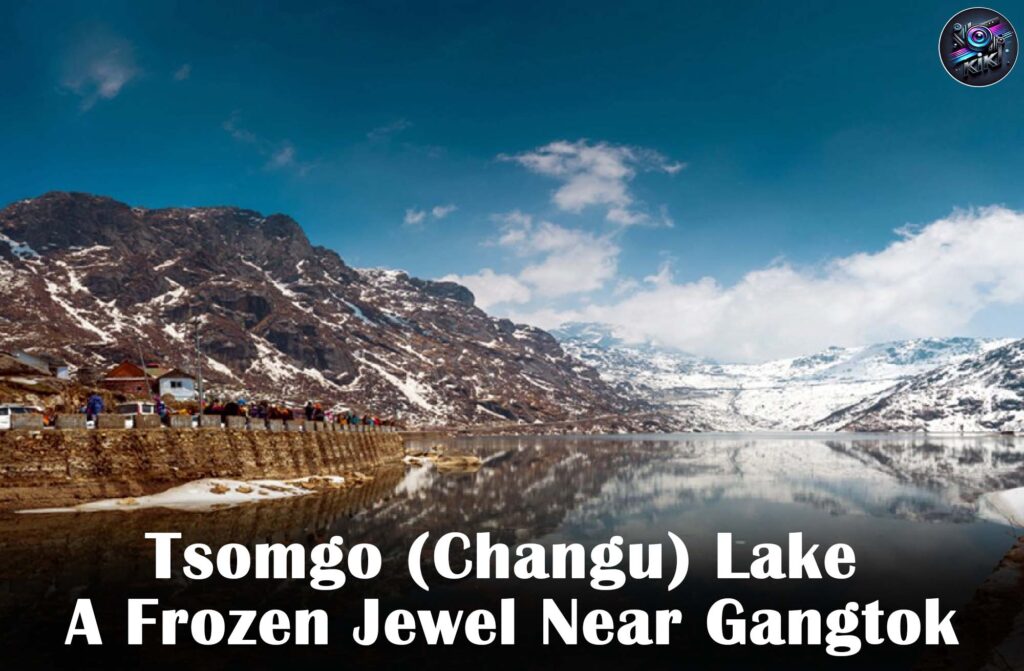
Tsomgo (Changu) Lake Located around 40 km from Gangtok, this glacial lake changes color with the seasons. In winter, it’s frozen and magical; in summer, it reflects the sky like a mirror.
Nathula Pass At over 14,000 feet, Nathula connects India with Tibet and offers a rare chance to see the Indo-China border. The journey itself—winding roads, prayer flags, and snow—is unforgettable.
Hanuman Tok & Ganesh Tok These viewpoints offer panoramic views of Gangtok and, on clear days, Mount Kanchenjunga. Early mornings here are pure bliss.
Food in Gangtok: Simple, Warm, Soulful
Gangtok’s food reflects its culture—simple, comforting, and hearty.
Momos (steamed or fried)
Thukpa (noodle soup)
Sel Roti
Butter tea for the adventurous
Small cafés serve excellent coffee, and local bakeries surprise you with fresh breads and pastries.
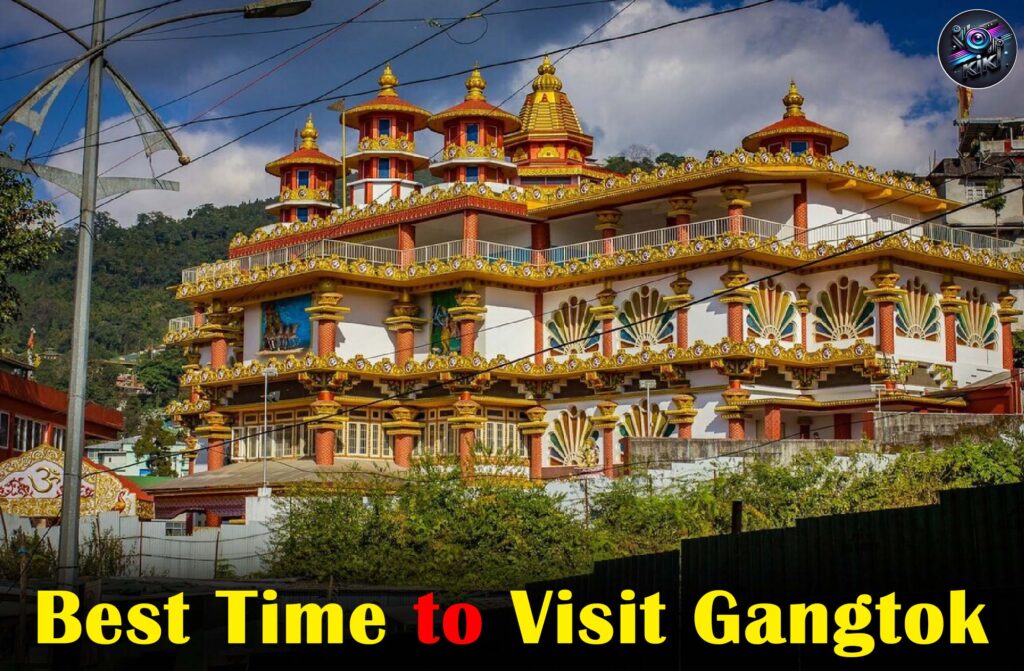
Best Time to Visit Gangtok
March to June: Pleasant weather, clear views, ideal for sightseeing
October to December: Festive season, crisp air, stunning mountain views
Monsoon (July–September): Lush greenery but landslides may disrupt travel
Gangtok stands out for its cleanliness and civic sense. Plastic use is minimal, smoking in public is restricted, and people respect nature deeply. Festivals like Losar, Saga Dawa, and Pang Lhabsol give travelers a glimpse into Sikkim’s rich Buddhist traditions.
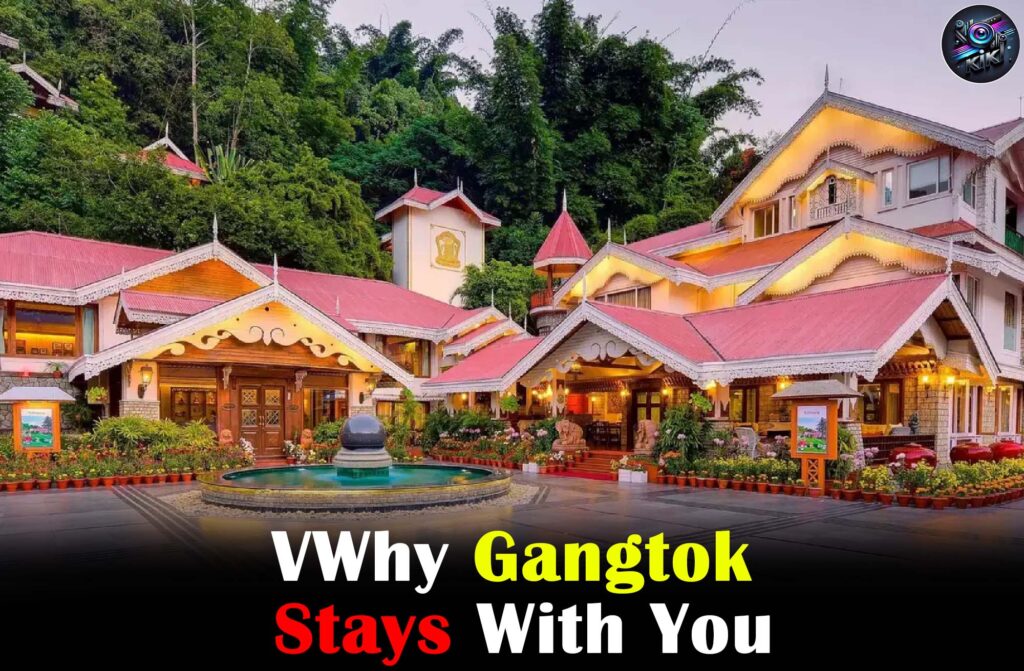
Why Gangtok Stays With You
Gangtok doesn’t try to impress—it simply exists, gracefully. It teaches you to slow down, breathe deeper, and appreciate silence. You don’t just visit Gangtok; you feel it.
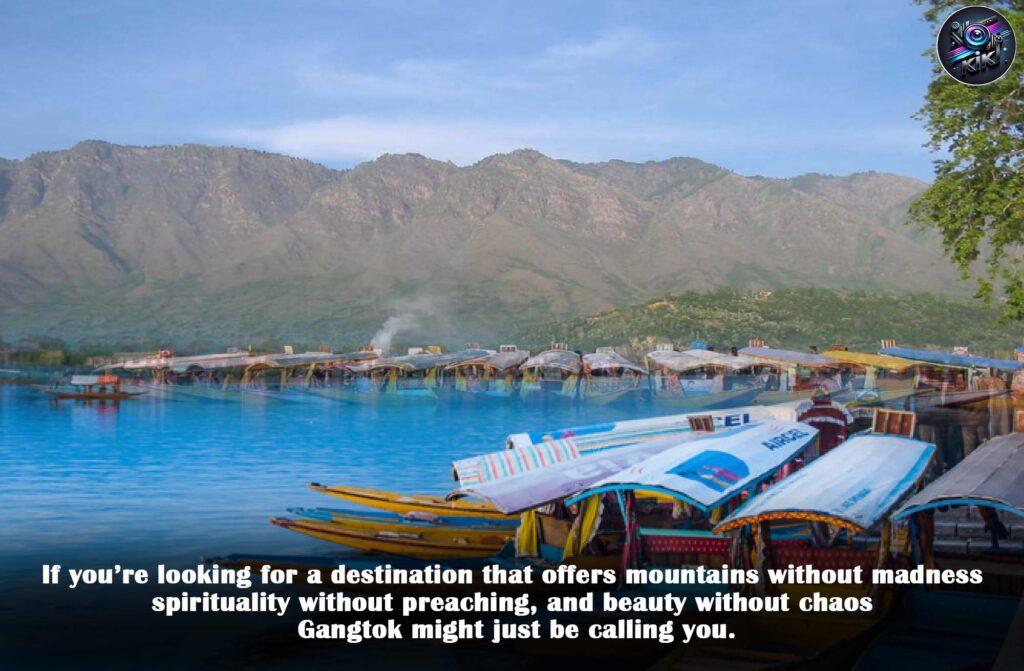
If you’re looking for a destination that offers mountains without madness, spirituality without
preaching, and beauty without chaos, Gangtok might just be calling you.
Darjeeling (100 km | 4–5 hrs) Famous for its tea gardens, toy train, and views of Mount Kanchenjunga, Darjeeling offers colonial charm and cool-weather romance.
Siliguri (115 km | 4 hrs) The gateway to the Northeast, Siliguri is ideal for shopping, local food, and short nature escapes like Mahananda Wildlife Sanctuary.
Mirik (90 km | 4 hrs) A peaceful hill town known for Sumendu Lake, tea estates, and quiet walks—perfect for couples and relaxed travelers.
Kurseong (95 km | 4 hrs) Calmer than Darjeeling, Kurseong is known for misty viewpoints, tea gardens, and heritage schools.
Kalimpong (75 km | 3 hrs) Set on a ridge overlooking the Teesta Valley, Kalimpong is famous for monasteries, flower nurseries, and panoramic mountain views.
These destinations can be easily covered as day trips or short extensions from Gangtok.
Tsomgo (Changu) Lake: A Frozen Jewel Near Gangtok
Just 40 km from Gangtok, nestled high in the eastern Himalayas, lies Tsomgo Lake, also known as Changu Lake—one of Sikkim’s most breathtaking natural wonders. Surrounded by rugged mountains and prayer flags fluttering in the wind, this glacial lake feels almost unreal, as if nature paused here to create a masterpiece.
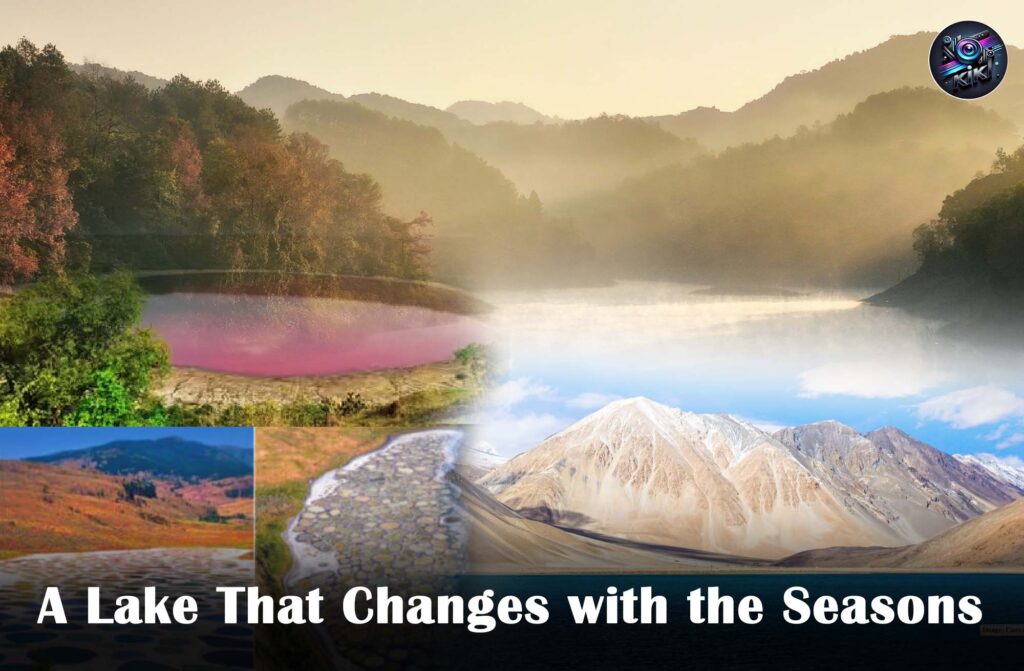
A Lake That Changes with the Seasons
What makes Tsomgo Lake truly special is its ever-changing personality.
Winter (December–February): The lake freezes completely, transforming into a white, dreamlike landscape. Snow blankets the surrounding hills, and yak rides add a touch of Himalayan charm.
Summer (April–June): As the ice melts, Tsomgo turns into a deep blue mirror, reflecting clouds and peaks. Alpine flowers bloom around the lake, bringing color and life.
Monsoon (July–September): The lake fills up with rainwater, appearing darker and more dramatic, though travel may be affected by weather.
Spiritual and Cultural Significance
For the local communities, Tsomgo Lake holds deep spiritual importance. It is believed that Buddhist monks once predicted the future by observing the lake’s changing colors. Even today, prayer flags and a small shrine nearby reflect the region’s strong spiritual roots.
The Journey Is the Experience
The road to Tsomgo Lake is as memorable as the destination itself. Winding mountain roads, snow walls in winter, and sudden glimpses of the lake from a bend make the journey unforgettable. The altitude—over 12,000 feet—adds to the thrill, reminding visitors to move slowly and breathe deeply.
Things to Know Before You Go
Permits Required: Indian tourists need a permit, usually arranged by local travel agents in Gangtok.
Weather Changes Quickly: Carry warm clothes even in summer.
Best Time to Visit: April to June and October to December.
Altitude Caution: Avoid overexertion due to high altitude.
Why Tsomgo Lake Leaves a Mark
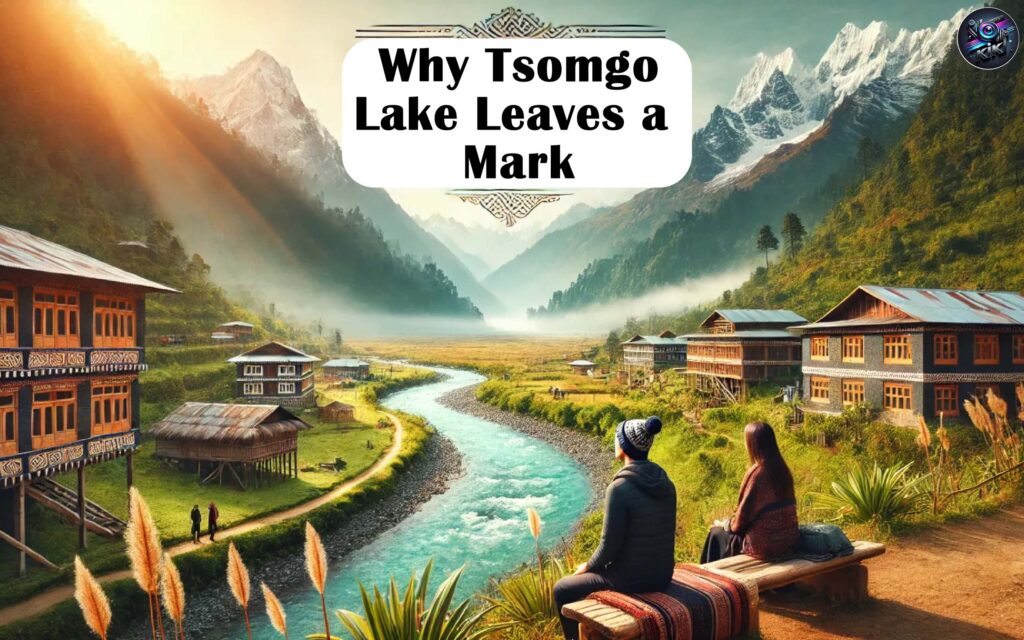
Tsomgo Lake is not loud or dramatic—it’s silent, powerful, and deeply calming. Whether frozen under snow or shimmering under the sun, it stays with you long after you leave.