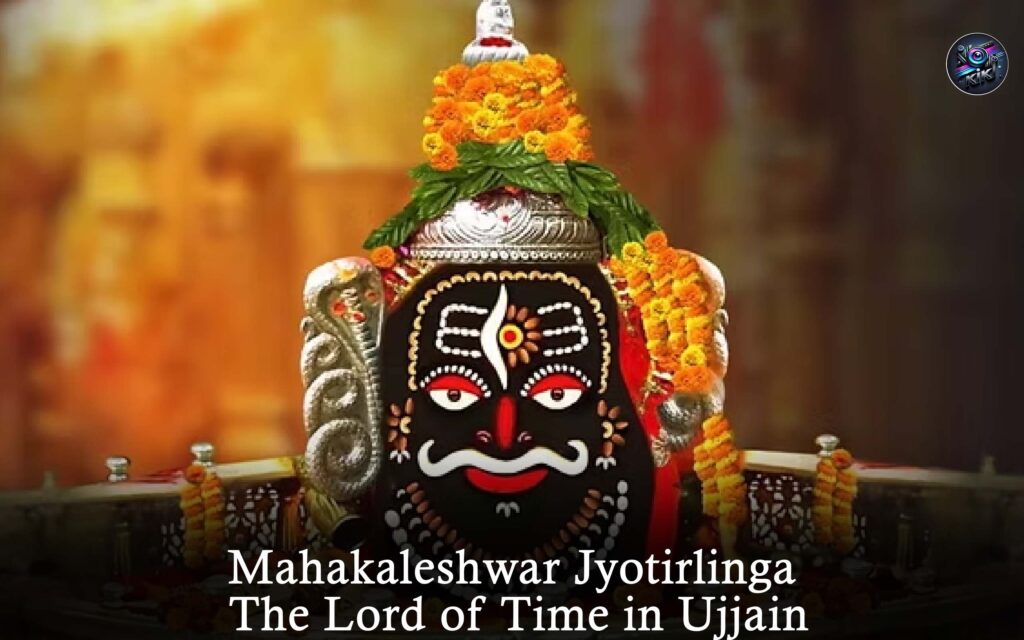
India is a land steeped in spirituality, and among its many sacred temples, Mahakaleshwar Jyotirlinga in Ujjain, Madhya Pradesh, holds a place of immense significance. Revered as one of the 12 Jyotirlingas of Lord Shiva, Mahakaleshwar is not just a temple but a symbol of divine power, protection, and spiritual transformation.
In this blog, we will explore the history, significance, rituals, and travel tips for visiting this sacred site.
What is Mahakaleshwar Jyotirlinga?
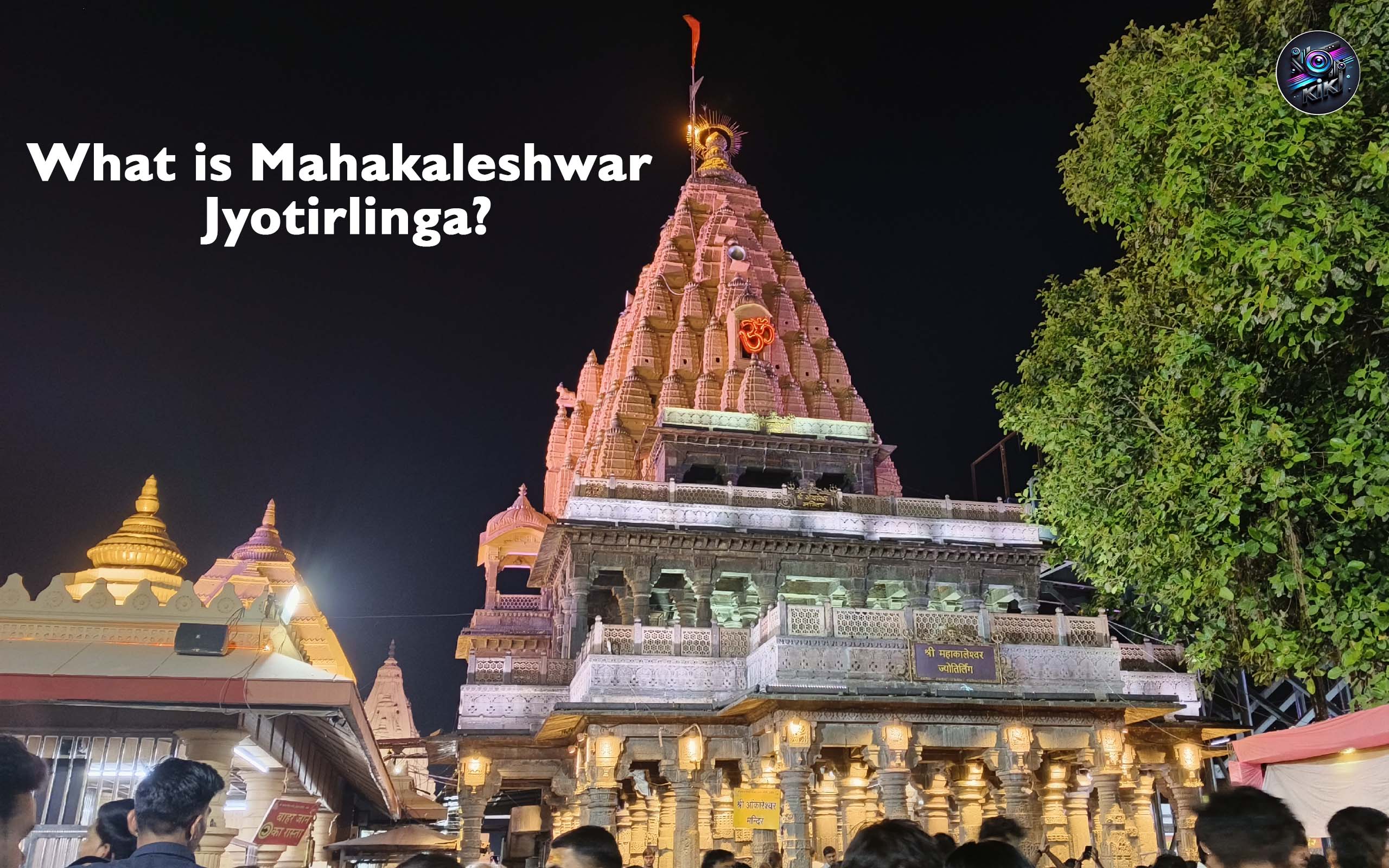
The name Mahakaleshwar comes from Sanskrit: Maha (great) and Kaal (time or death), representing Shiva as the Lord of Time and Destroyer of Evil. This Jyotirlinga is unique because it is a Swayambhu Linga—self-manifested and not installed by human hands. It is believed that worshipping here helps overcome fears, sins, and negative energies.
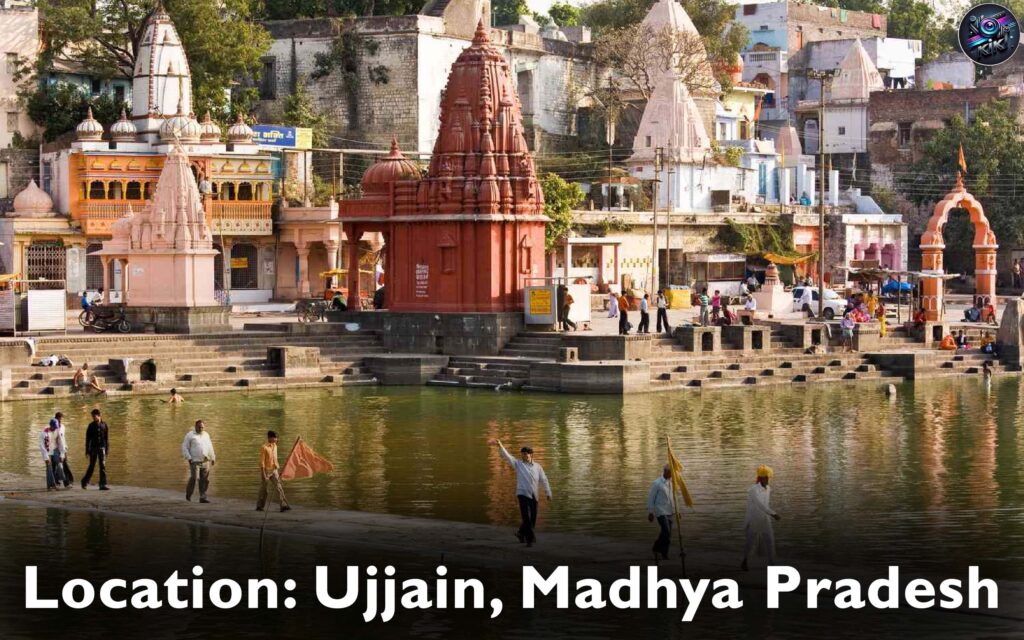
The temple is located on Bhasma Ghat along the Kshipra River, enhancing its spiritual aura.
Legend of Mahakaleshwar
According to Hindu mythology:
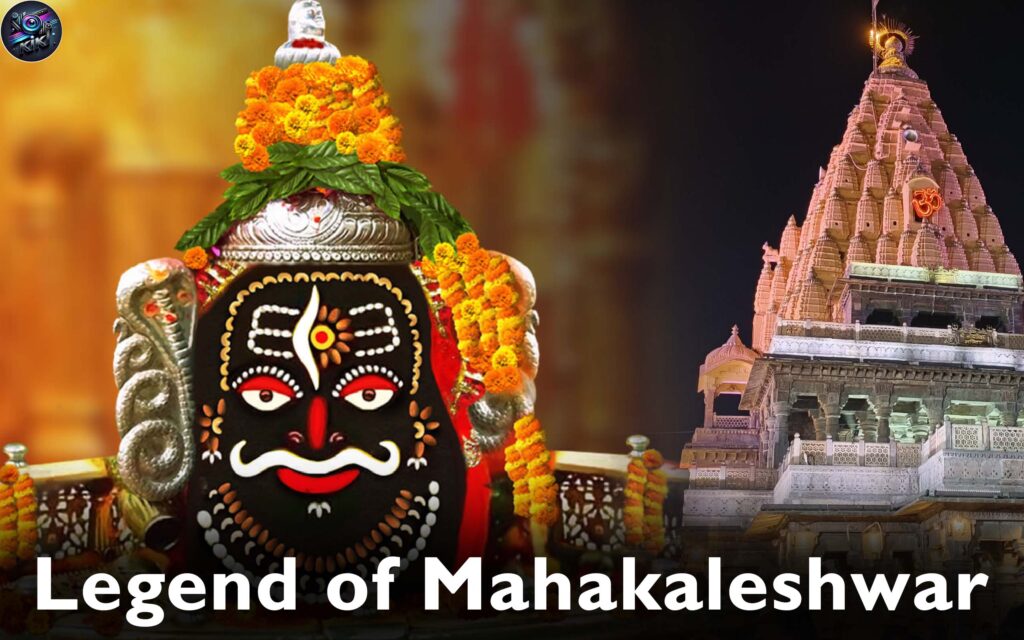
- Daksha Yagna Legend: King Daksha once insulted Lord Shiva, leading to cosmic turmoil. Lord Shiva appeared here to restore balance.
- Swayambhu Linga: The Linga emerged on its own at Ujjain, demonstrating Shiva’s supremacy over time and life.
- Devotee Stories: Many believe that sincere prayers at Mahakaleshwar fulfill wishes, cure ailments, and provide spiritual liberation.
The Temple and Architecture
Location: Ujjain, Madhya Pradesh
- Architecture: The temple reflects Maratha-style architecture with a tall spire (shikhara) and intricate carvings. The sanctum houses the south-facing Jyotirlinga, a rare and powerful orientation in Shiva worship.
- Special Feature: The Bhasma Aarti, performed early in the morning using sacred ash, is unique to this temple and considered highly auspicious.
The temple complex also houses smaller shrines dedicated to Goddess Parvati, Ganesha, Kartikeya, and other deities, providing a complete spiritual experience for visitors.
Best Time to Visit

- October to March: Pleasant weather ideal for pilgrimage.
- Maha Shivratri: Celebrated with grandeur, attracting thousands of devotees. Special night-long aartis and rituals are performed.
- Bhasma Aarti Timing: Early morning, usually around 4:00–5:00 AM, is highly recommended for a spiritually uplifting experience.
Rituals and Spiritual Practices
- Darshan of Jyotirlinga: The main ritual, offering flowers, water, milk, and bilva leaves.
- Bhasma Aarti: A unique ritual where sacred ash (bhasma) is applied to the Linga while chanting hymns.
- Abhishekam (Holy Bath): Performed with milk, water, honey, and other sacred substances.
- Puja Packages: Available for devotees seeking personal blessings or performing special rituals.
Things to Do in Ujjain
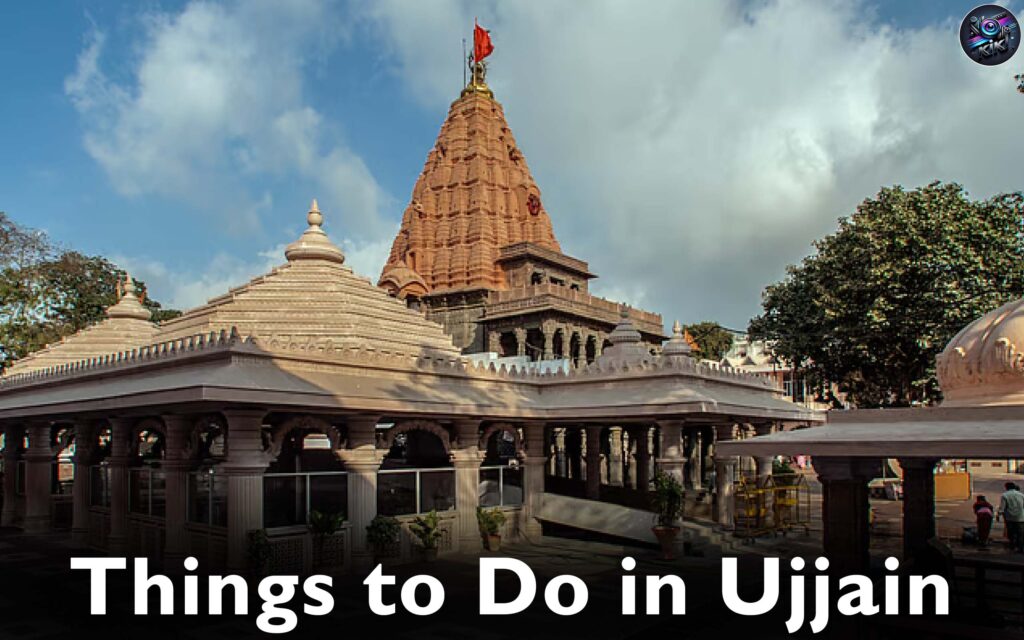
- Explore Other Temples: Visit Kal Bhairav Temple, Harsiddhi Temple, and Chintaman Ganesh Temple nearby.
- Kshipra River Ghats: Participate in morning prayers or meditate on the riverbanks.
- Cultural Experience: Witness local festivals, especially during Simhastha Kumbh Mela, held once every 12 years.
- Shopping: Buy spiritual souvenirs, handicrafts, and religious artifacts from local markets.
Accommodation and Travel

- By Air: The nearest airport is in Indore (approx. 55 km away).
- By Train: Ujjain Junction is well-connected to major Indian cities.
- By Road: Buses and taxis connect Ujjain to nearby cities like Indore, Bhopal, and Dewas.
Stay Options: From budget dharmshalas to mid-range hotels and guesthouses near the temple.
Spiritual Significance

Mahakaleshwar is considered the protector against evil and the bestower of moksha (liberation). Pilgrims believe that visiting this Jyotirlinga:
- Removes fear and negative energies
- Brings health, wealth, and prosperity
- Fulfills spiritual aspirations and deepens devotion
The temple’s south-facing Linga is believed to be especially powerful, as it signifies Lord Shiva’s control over death and time, guiding devotees toward spiritual growth.
Conclusion
Plan your pilgrimage, witness the majestic Bhasma Aarti, and let the eternal light of Lord Shiva illuminate your path.