Maithili Wedding Songs (Geet): The Living Soul of Mithila Vivah
Maithili Wedding Songs (Geet): The Living Soul of Mithila Vivah
Aryan verma
January 1, 2026
11:34 pm
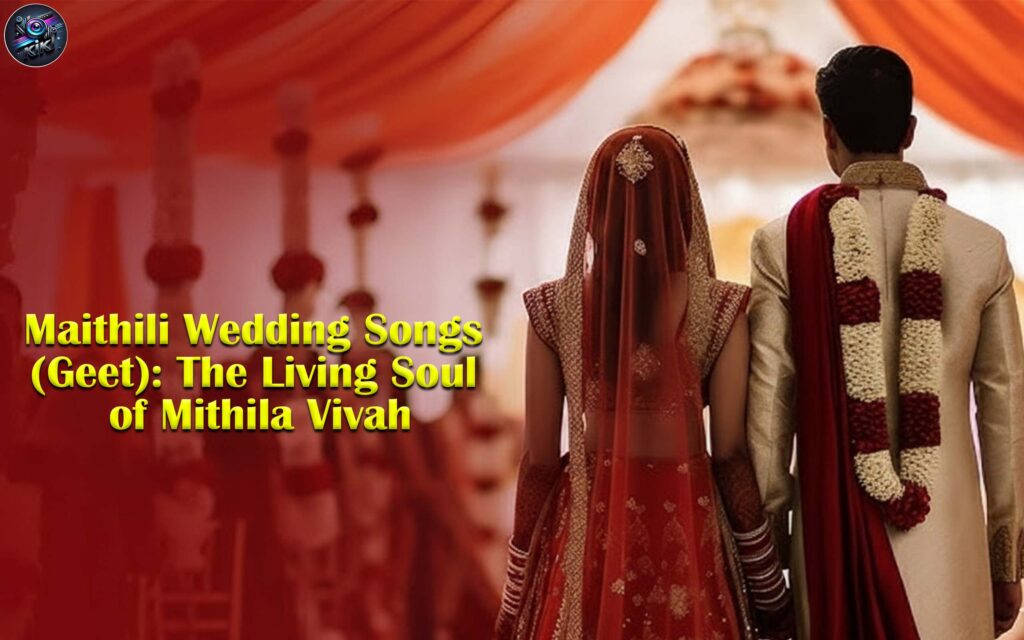
Maithili wedding songs—popularly known as Vivah Geet—are not just melodies sung during marriage ceremonies; they are the emotional and cultural backbone of Mithila Vivah. Passed down through generations, these songs capture joy, devotion, humor, separation, blessings, and the sacred bond between two families.
Rooted deeply in tradition, Maithili wedding songs guide rituals, express collective emotions, and preserve the heritage of Mithila. This guide explores their meaning, types, and enduring relevance in both traditional and modern weddings.
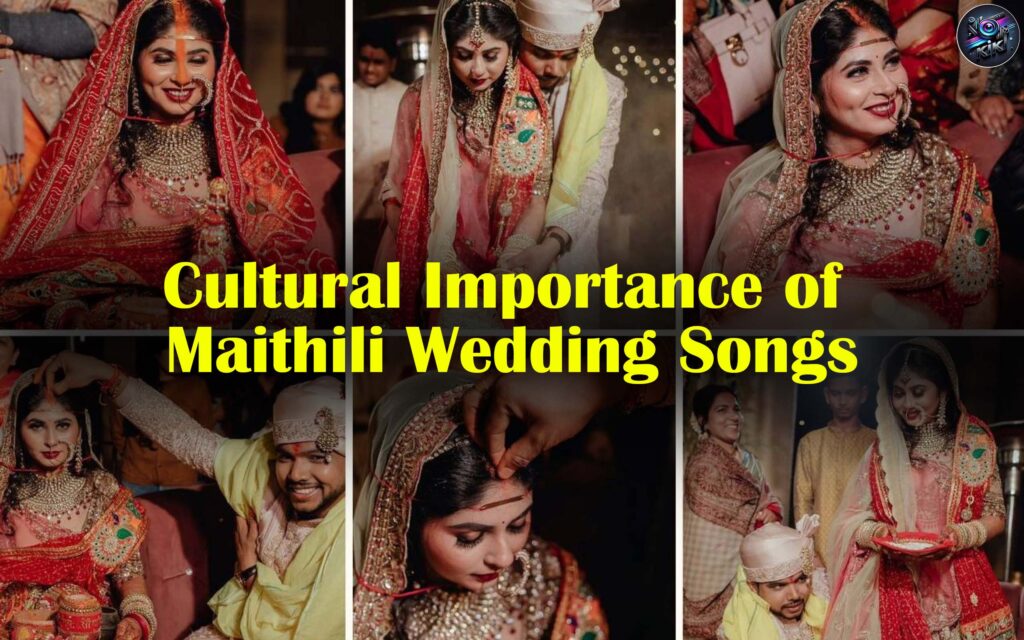
Cultural Importance of Maithili Wedding Songs
In Mithila Vivah, music is inseparable from ritual. From Tilak to Vidai, wedding songs accompany nearly every ceremony. Women from both families gather to sing, laugh, tease, and bless—creating a shared emotional space that symbolizes unity and continuity.
These songs:
Reflect societal values and family relationships
Express emotions that words alone cannot
Keep oral traditions alive across generations
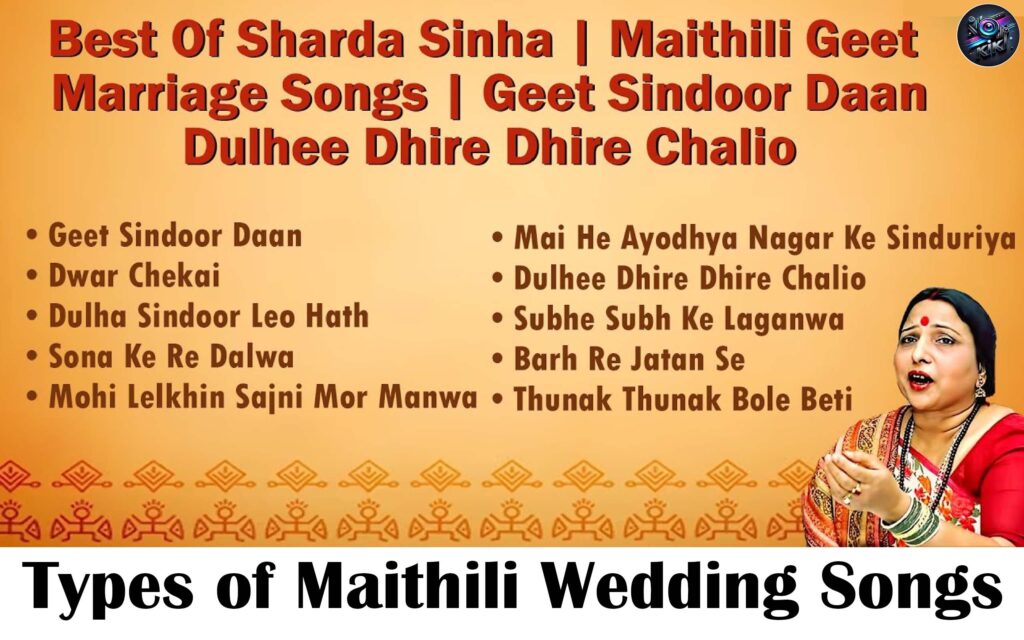
Types of Maithili Wedding Songs
Vivah Geet:-Sung during major wedding rituals, these songs describe sacred moments, blessings, and the spiritual significance of marriage.
Sohar Geet:- Celebratory songs welcoming happiness, prosperity, and divine blessings—often sung in moments of joy and anticipation.
Samdhi Geet:-Light-hearted, humorous exchanges between the bride’s and groom’s families that strengthen bonds and dissolve formality.
Meaning Behind Songs in Major Wedding Rituals
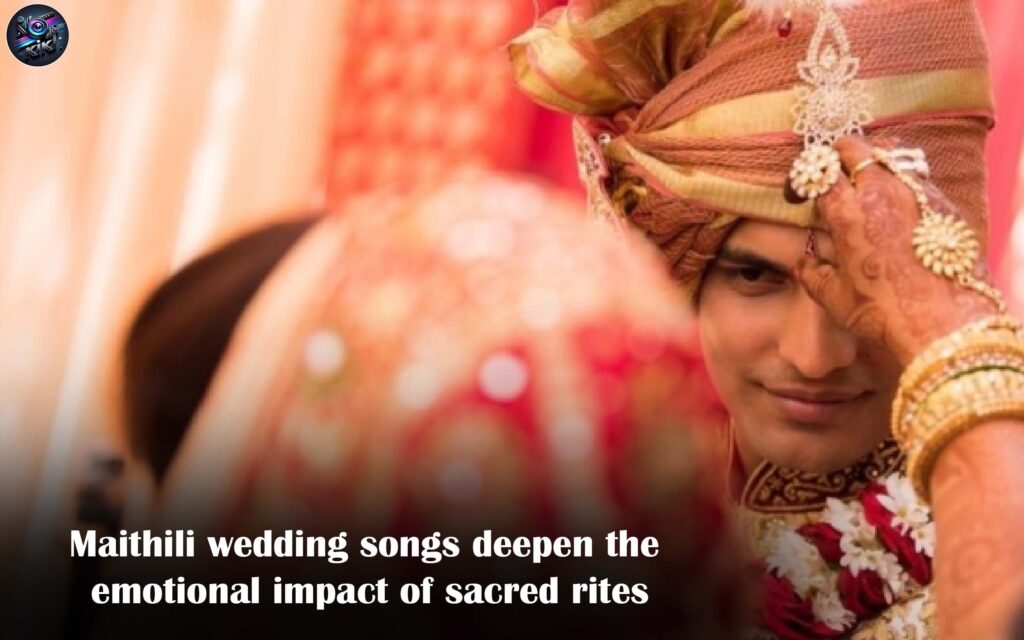
Maithili wedding songs deepen the emotional impact of sacred rites
Tilak: Songs celebrate the acceptance of the groom’s family with joy and dignity.
Kanyadaan: Deeply emotional songs reflect a parent’s blessings and the bittersweet moment of giving away their daughter.
Panigrahan & Saptapadi: Songs speak of promises, partnership, and the lifelong journey the couple begins together.
These songs transform rituals into living expressions of faith and emotion.
Role of Wedding Songs in Strengthening Family Bonds
Wedding songs act as a bridge—connecting families, generations, and emotions. Through humor, devotion, and shared participation, they:
Break social barriers
Encourage warmth and togetherness
Turn ceremonies into joyful collective experiences
They ensure that marriage is not just a ritual—but a shared celebration of life.
Why Maithili Wedding Songs Matter
Benefits of preserving and practicing these songs:
Encourages bonding between families
Adds emotional richness to rituals
Preserves oral and cultural traditions
Creates lifelong memories
Modern Influence on Maithili Wedding Songs
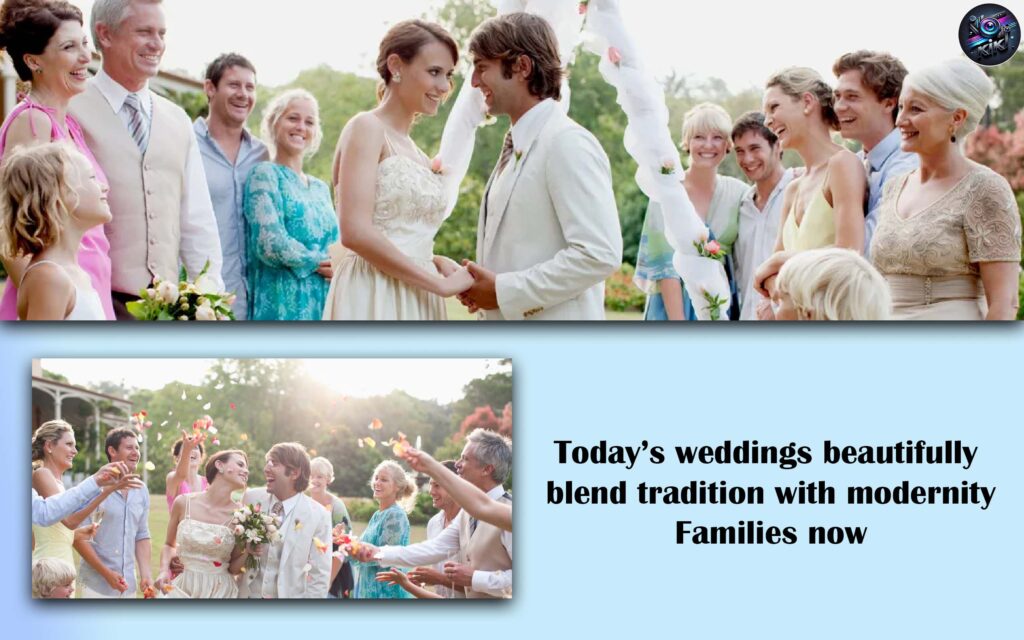
Today’s weddings beautifully blend tradition with modernity. Families now
Create curated playlists of traditional songs
Record professional renditions for ceremonies
Use digital archives to preserve rare geet
This evolution helps retain authenticity while adapting to contemporary celebrations.
Tips for Couples Planning a Mithila Wedding
Include both traditional and modern versions of Maithili geet
Encourage elders to lead singing sessions
Share the meanings of songs with younger family members
Record live performances as cultural keepsakes
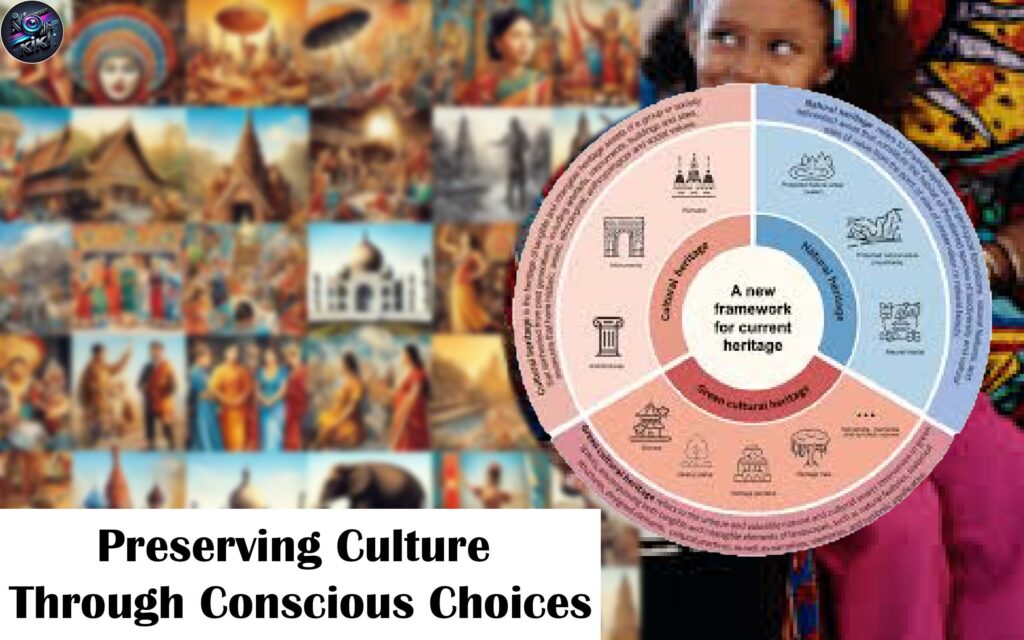
Preserving Culture Through Conscious Choices
Platforms like Mithila Vivah help connect individuals who value cultural traditions, including Maithili wedding songs. Choosing a culturally aligned partner strengthens not just the ceremony—but the emotional foundation of marriage itself.
Conclusion
Maithili wedding songs are living heritage—they sing emotions, narrate traditions, and bless new beginnings. Preserving them means preserving the soul of Mithila Vivah for generations to come.