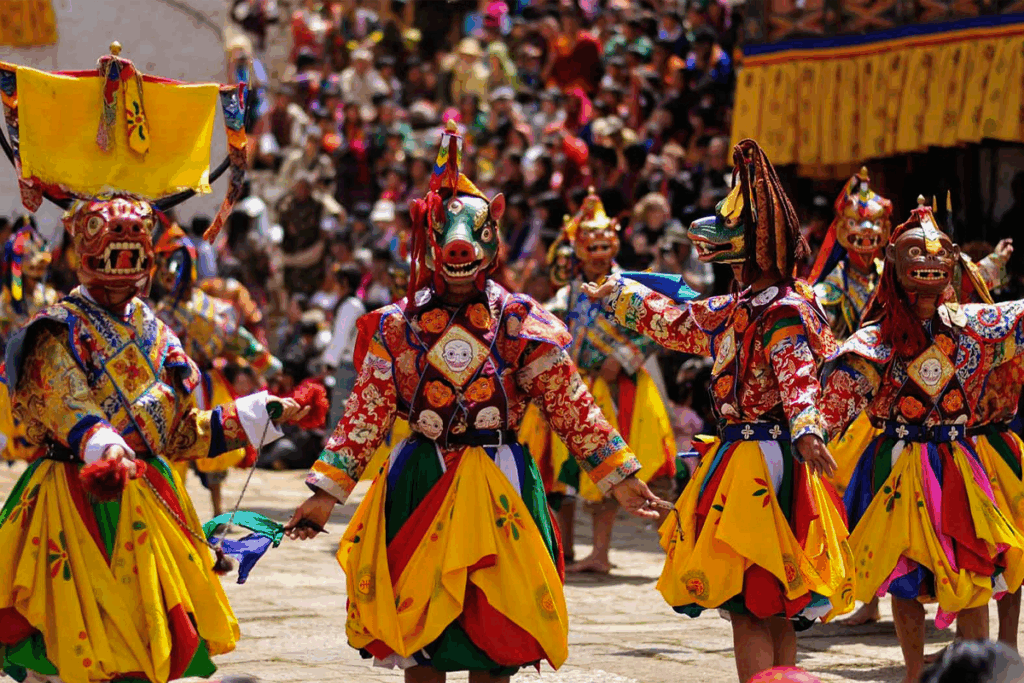
Paro Tshechu is one of Bhutan’s most significant annual religious festivals, celebrated each spring in the Paro Valley. It honors Guru Rinpoche (Padmasambhava), the 8th-century Buddhist saint credited with bringing Vajrayana Buddhism to Bhutan. The five-day event blends spirituality, pageantry, and community in a vivid expression of Bhutanese identity.
Key facts
- Location: Paro Rinpung Dzong, Paro Valley
- Timing: 10th–15th days of the 2nd lunar month (March–April)
- Main deity: Guru Rinpoche (Padmasambhava)
- Duration: Five days
- Highlight: Unfurling of the giant Thongdrel on the final day
Origins and spiritual significance
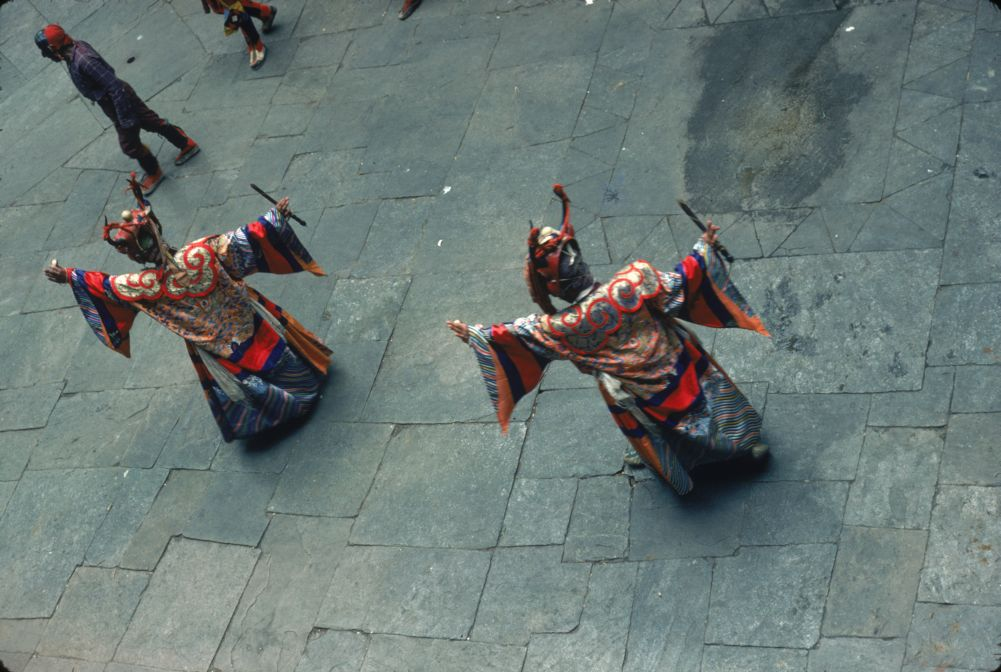
The term tshechu means “tenth day,” commemorating Guru Rinpoche’s birth on the tenth day of the Bhutanese lunar calendar. Paro Tshechu was established in the 17th century under Zhabdrung Ngawang Namgyel and remains a major celebration of the Drukpa Kagyu Buddhist tradition. Its mask dances (cham) are believed to dispel misfortune, purify negativity, and confer blessings upon all who witness them.
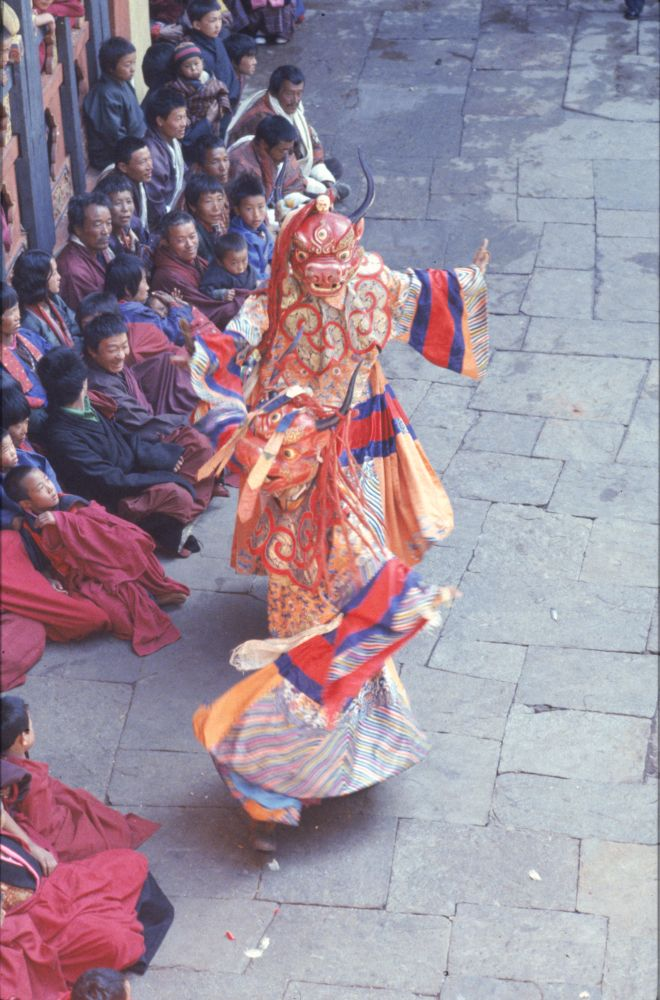
Elaborate cham dances dominate the festival’s courtyard at Paro Dzong. Monks and lay performers, wearing ornate silk robes and carved masks depicting deities, demons, and animals, reenact sacred episodes such as the Dance of the Lords of the Cremation Grounds, Durdag Cham, and Guru Tshen Gye (Eight Manifestations of Guru Rinpoche). Humorous clowns known as Atsaras engage the crowd, embodying wisdom through satire.
The Thongdrel ceremony
At dawn on the fifth day, a monumental silk appliqué thangka—known locally as the Thongdrel, meaning “liberation by sight”—is unfurled from the fortress wall. Measuring several stories high, it depicts Guru Rinpoche and celestial figures. Devotees gather before sunrise, as seeing the image is believed to cleanse karmic defilements and bring spiritual merit.
Cultural and social dimensions
Beyond its religious core, Paro Tshechu serves as a vital social event. Families attend in national dress, markets bustle with crafts and food stalls, and the valley fills with music, laughter, and the scent of incense. The festival fosters unity among Bhutanese communities while offering visitors an authentic window into Bhutan’s living Buddhist heritage.