A Slow Journey into the Last Himalayan Kingdom
There are trips you take for sightseeing. And then there are journeys that quietly change you. A road trip to Bhutan from Siliguri or Bagdogra falls in the second category.
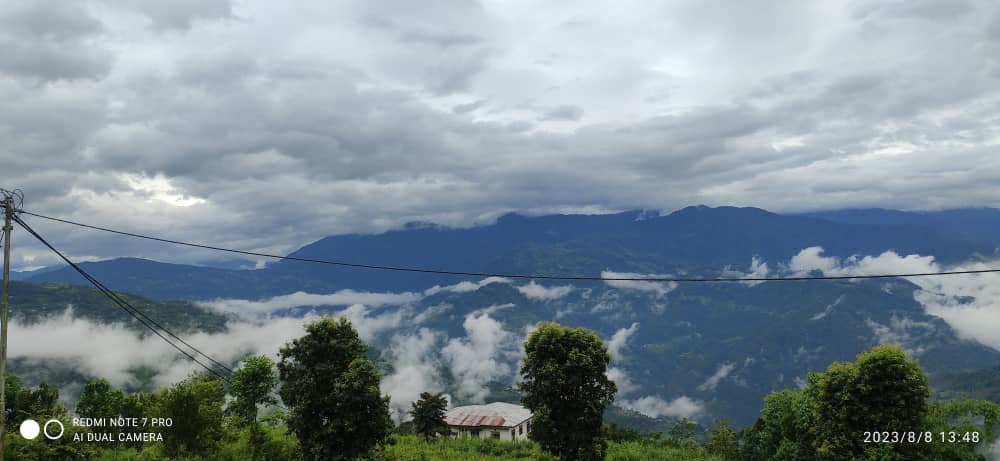
Unlike most international destinations, Bhutan does not overwhelm you with skyscrapers, shopping malls, or neon lights. It welcomes you with mountains, monasteries, prayer flags, silence, and a rhythm of life that feels deliberately slower.
If you’re planning a Bhutan trip starting from Siliguri or Bagdogra, this detailed guide will walk you through everything — routes, permits, itinerary, budgeting, best experiences, luxury stays, and storytelling angles that will make your journey meaningful.
Why Start a Bhutan Trip from Siliguri or Bagdogra?
Siliguri is the gateway to Northeast India and Bhutan.
Bagdogra Airport is the nearest major airport connected to Delhi, Mumbai, Bangalore, and Kolkata.
Most travelers:
Fly into Bagdogra
Drive to Jaigaon (India side)
Cross into Phuentsholing (Bhutan side)
This route is smooth, scenic, and budget-friendly compared to flying directly to Paro.
Route Overview: India to Bhutan by Road
Step 1: Bagdogra / Siliguri → Jaigaon
- Distance: ~150 km
- Time: 4–5 hours by private car
- The drive moves through tea gardens, Dooars forests, and small Bengal towns. As you approach Jaigaon, the traffic becomes denser — a sign that you’re nearing the border.
Step 2: Cross into Bhutan at Phuentsholing
The Bhutan entry town is:
- Phuentsholing
- The moment you cross the gate, the contrast is striking.
- Cleaner roads
- Organized traffic
- Traditional architecture
- No honking chaos
- It feels like entering a different mental space.
Entry Permits for Indian Travelers
Indian citizens do not need a visa, but you need:
Valid passport OR voter ID
Passport-size photographs
Entry permit issued in Phuentsholing
The process typically takes a few hours. Many travelers prefer staying one night in Phuentsholing to complete formalities peacefully.
Suggested 7–8 Day Bhutan Itinerary from Siliguri
This itinerary balances exploration and slow travel.
Day 1: Arrival in Phuentsholing
After crossing from Jaigaon:
- Check into hotel
- Visit local market
- Explore Zangto Pelri Lhakhang temple
This day is about transition — shifting from Indian hustle to Bhutanese calm.
Day 2: Phuentsholing to Thimphu
- Distance: ~170 km
- Time: 5–6 hours
The road climbs gradually into the Himalayas.
Your destination: Thimphu
Along the way:
- Waterfalls
- Mist-covered forests
- Roadside tea stops
Evening in Thimphu:
- Walk along Norzin Lam
- Visit local cafes:-Try ema datshi (chili cheese dish)
Day 3: Exploring Thimphu
Thimphu is the only capital city in the world without traffic lights. Policemen direct vehicles by hand.
Must-visit places:
- Buddha Dordenma:- A massive golden Buddha overlooking the valley. Sunrise here is deeply peaceful.
- Tashichho Dzong:-A majestic fortress-monastery that houses the throne room and offices of the king.
- Memorial Chorten:- A sacred white stupa where locals circumambulate daily.
Spend the evening exploring handicraft stores and Bhutanese textiles.
Day 4: Thimphu to Punakha
- Distance: ~75 km
- Time: 3 hours
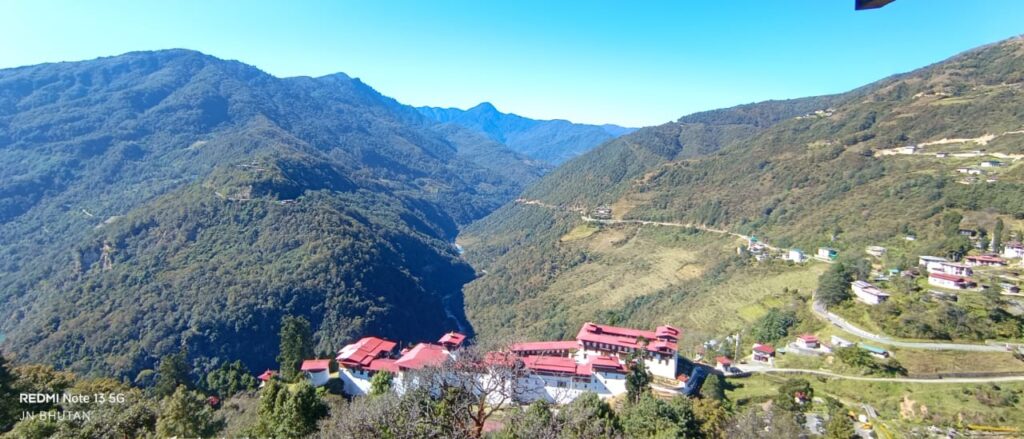
On the way, you cross Dochula Pass (3,100 m) — known for 108 stupas and panoramic Himalayan views.
Destination: Punakha
Punakha is warmer and greener than Thimphu.
Main highlight:
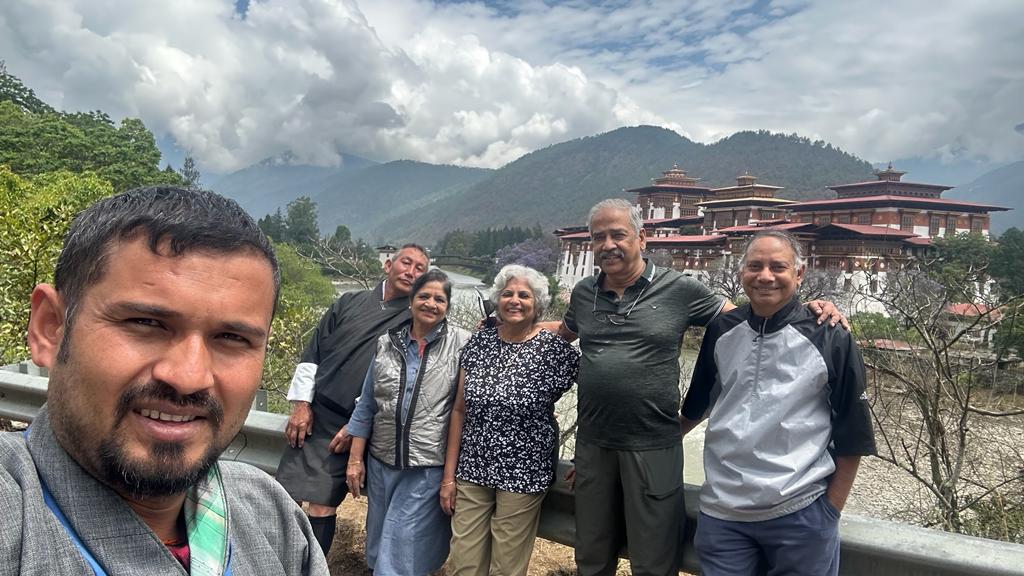
Punakha Dzong
Located at the confluence of two rivers, it is one of the most beautiful dzongs in Bhutan.
Optional:
- Short rafting experience
- Suspension bridge walk
- Stay overnight in Punakha.
Day 5: Punakha to Paro
Distance: ~125 km
Time: 4 hours
Arrive in: Paro
Paro is home to Bhutan’s only international airport and several iconic landmarks.
Evening:
- Visit local markets
- Try traditional hot stone bath
Day 6: The Tiger’s Nest Hike
The highlight of any Bhutan trip:
Tiger’s Nest Monastery
Also called Paro Taktsang, this monastery clings to a cliff 3,000 feet above the valley.
Hike details:
- 4–6 hours round trip
- Moderate difficulty
Best started early morning
Reaching the monastery is not just physical — it’s emotional. The view from halfway café is equally breathtaking if you choose not to go all the way.
Evening: Celebrate with Bhutanese dinner.
Day 7: Paro Exploration
Other places in Paro:
National Museum
Kyichu Lhakhang (one of the oldest temples in Bhutan)
Rinpung Dzong
This day allows slow walking, photography, and reflection.
Day 8: Return to Phuentsholing / Exit
Drive back to Phuentsholing and cross into Jaigaon.
Continue to Siliguri or Bagdogra.
Best Time to Visit Bhutan
Spring (March–May)
Rhododendron blooms
Clear skies
Autumn (September–November)
Best mountain views
Festival season
Winter (December–February)
Fewer tourists
Snow at higher altitudes
Monsoon (June–August)
Lush landscapes
Occasional landslides
Budget Breakdown (Per Person Estimate from Siliguri)
Monsoon (June–August):
Lush landscapes
Occasional landslides
Budget Breakdown (Per Person Estimate from Siliguri)
Mid-range 7-day trip:
Hotels: ₹3,000–8,000 per night
Vehicle (shared): ₹3,000–4,000 per day
Entry & permits
Food: ₹1,000–1,500 per day
Estimated total: ₹40,000–₹80,000 (excluding flights to Bagdogra)
Luxury version: ₹1.5L–₹2.5L+
Luxury Bhutan from Siliguri: Is It Worth It?
Yes.
Boutique lodges in Paro and Punakha offer:
Riverside views
Spa therapies
Private balconies facing mountains
Luxury Bhutan is about silence, space, and personalization.
Cultural Etiquette in Bhutan
Dress modestly at monasteries
Remove shoes before entering temples
No loud behavior in sacred places
Respect photography rules
Bhutan is deeply spiritual — behave accordingly.
Food to Try
Ema Datshi
Kewa Datshi
Red rice
Suja (butter tea)
Vegetarian options are widely available.
Festivals to Experience
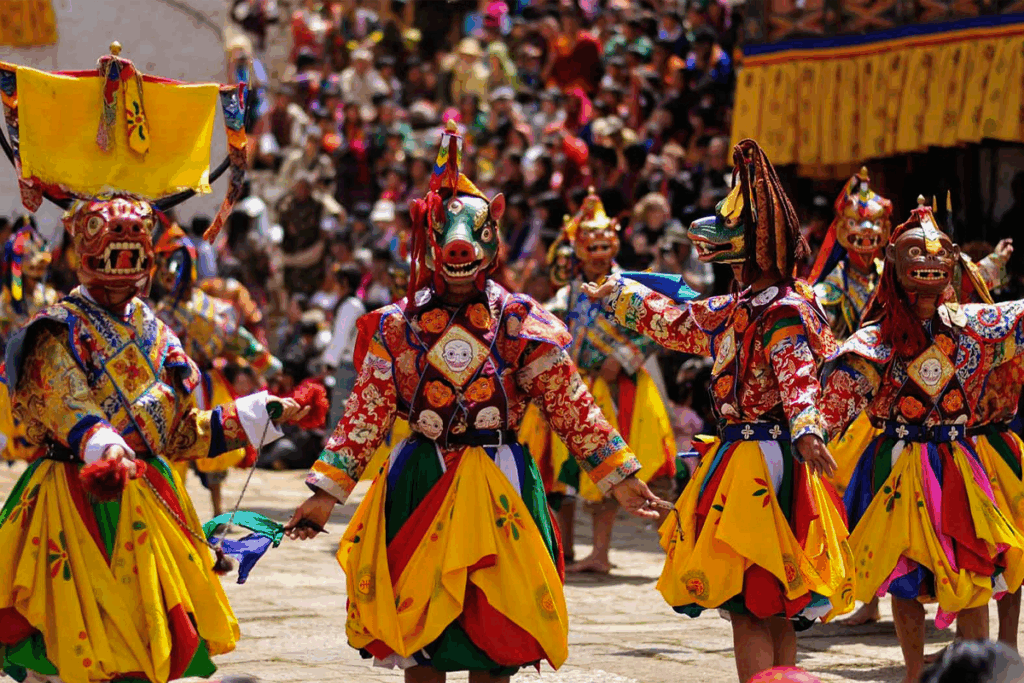
If your trip aligns, attend:
- Paro Tshechu
- Thimphu Tshechu
These masked dance festivals are vibrant, spiritual, and photogenic.
Why Bhutan Feels Different
Bhutan measures success not just in GDP but in Gross National Happiness.
The absence of aggressive commercialization makes:
Landscapes cleaner
People calmer
Experiences deeper
It feels like stepping back into a gentler world.
Combining Bhutan with Sikkim
Many travelers combine:
Gangtok
North Sikkim
Then Bhutan via Jaigaon
This creates a powerful Himalayan journey.
Storytelling Angle for Content Creators
For platforms like travel blogs or YouTube:
“Crossing the Quiet Border”
“Why Bhutan Feels Happier than India?”
“Hiking to the Most Iconic Monastery in the Himalayas”
Bhutan visuals perform exceptionally well online.
Final Thoughts
A Bhutan trip from Siliguri or Bagdogra is more than convenient — it is poetic.
You begin in the bustling plains of Bengal.
You cross a simple gate.
You enter a kingdom that chose preservation over speed.
In a world racing forward, Bhutan stands still — and invites you to do the same.