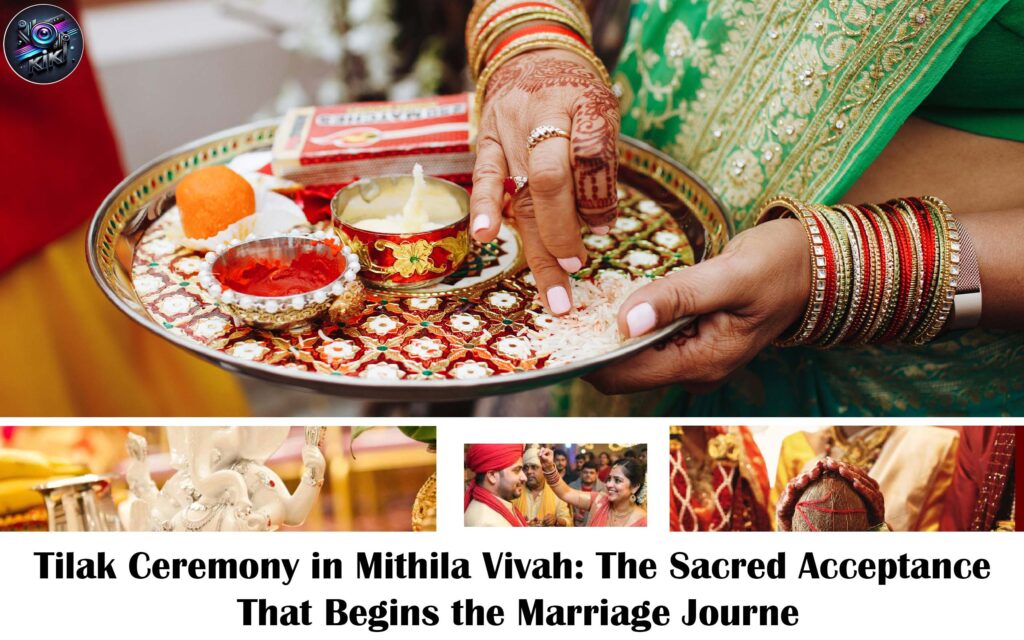
In the sacred sequence of Mithila Vivah, the Tilak Ceremony marks the first formal and public affirmation of a marriage alliance. Long before vows are spoken or fire is circumambulated, Tilak establishes mutual respect, consent, and responsibility between the two families.
In Maithil tradition, Tilak is not a celebration of status—it is a ceremony of acceptance.
The Spiritual and Social Meaning of Tilak
The word Tilak refers to the auspicious mark applied on the groom’s forehead by the bride’s family. In Vedic symbolism, the forehead represents:
- Seat of wisdom (Ājñā Chakra)
- Moral clarity and restraint
- Readiness to accept responsibility
Thus, Tilak signifies that the groom is honored and accepted as worthy of entering the bride’s lineage.
Pandits often describe Tilak as mānasika vivāha pūrva svīkāra—a mental and ethical acceptance that precedes ritual marriage.
Tilak as a Pre-Marriage Sankalpa
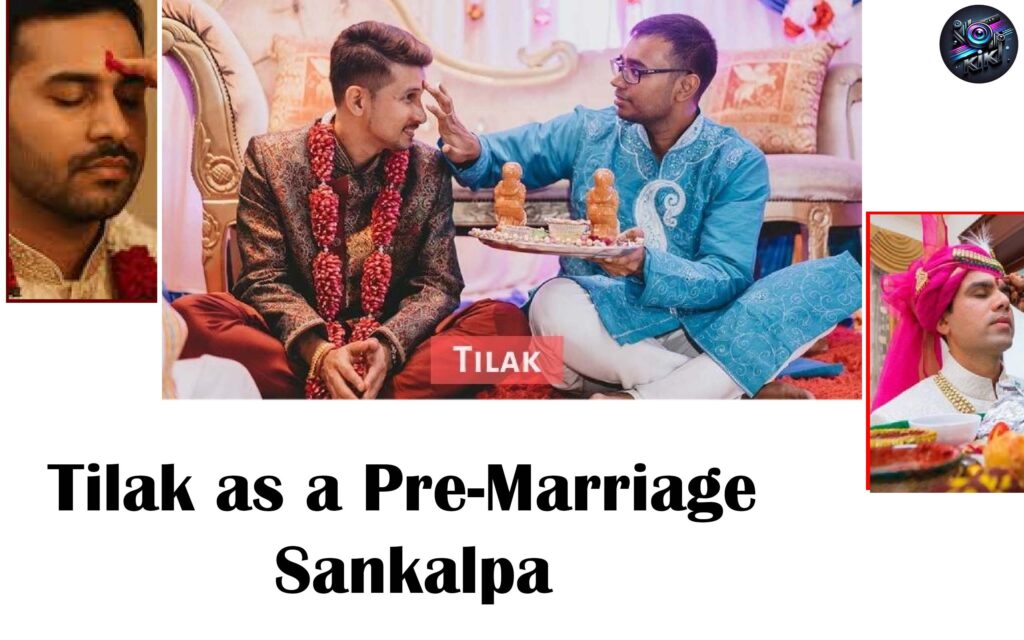
Though Tilak is not accompanied by elaborate Vedic fire rituals, it carries the gravity of a spoken and witnessed commitment. Elders of the bride’s family formally declare their consent, often accompanied by blessings such as:
दीर्घायुष्मान् भव। धर्मे स्थितो भव।
Meaning:
“May you live long. May you remain steadfast in righteousness.”
This blessing is significant—it frames the groom’s role not as a recipient of gifts, but as a future bearer of dharma.
Symbolism of Offerings in the Tilak Ceremony
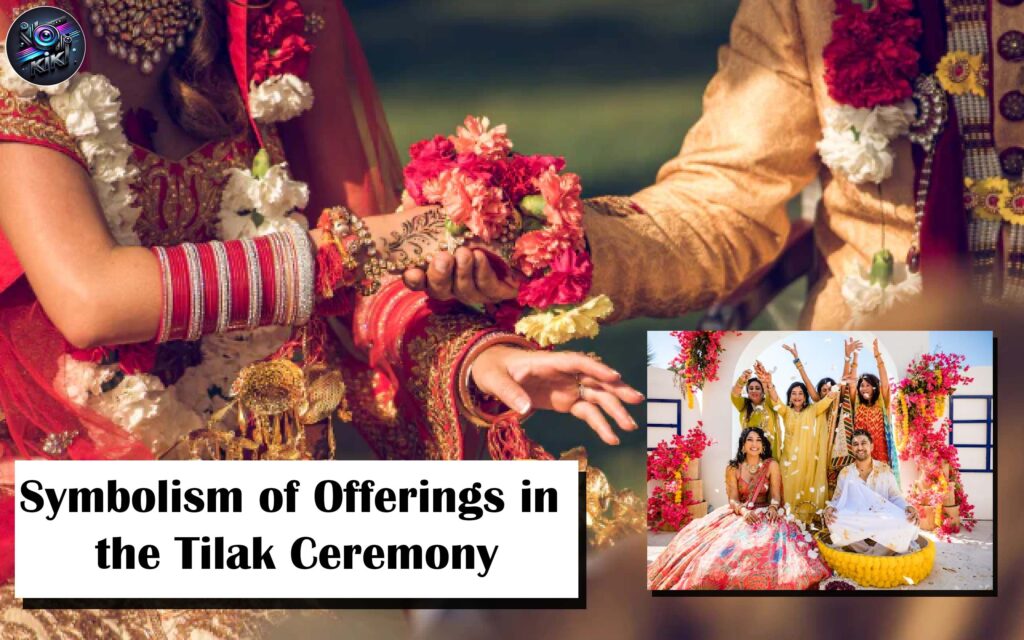
The items offered during Tilak are deeply symbolic, not ornamental.
- Fruits & Sweets: Prosperity, fertility, and sweetness in marital life
- Clothes: Acceptance into the bride’s family structure
- Money (where customary): Support, not obligation
- Coconut: Wholeness and auspicious beginnings
Pandits clarify that these offerings are gestures of trust, never transactions. Mithila tradition strongly rejects coercion or display of wealth during Tilak.
A Ceremony Led by Responsibility, Not Display
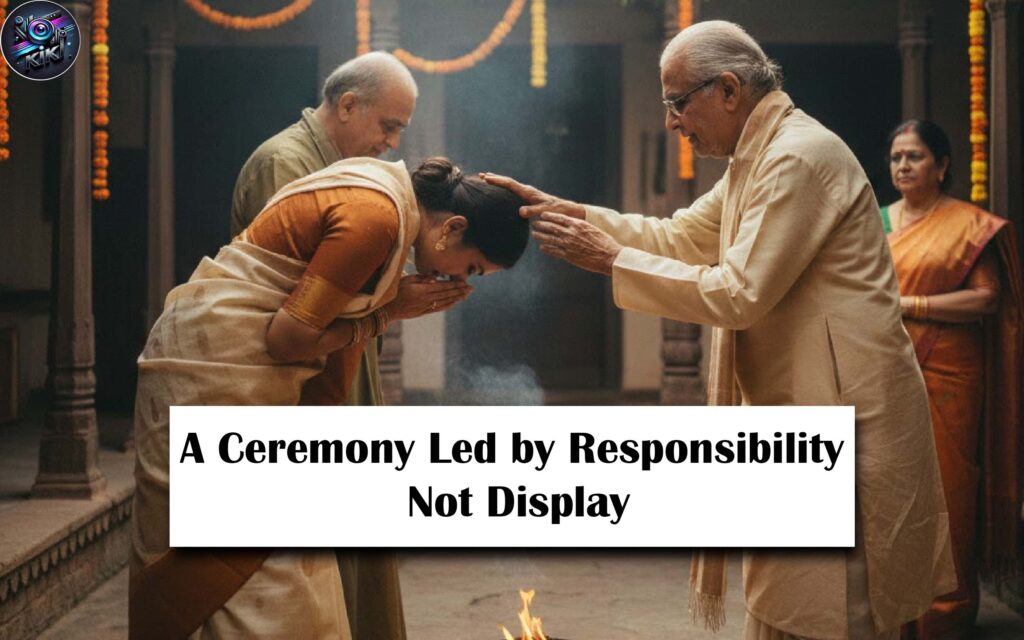
Traditionally, male elders of the bride’s family visit the groom’s home to perform Tilak. This reflects an important cultural principle:
- The bride’s family takes initiative in acceptance
- The groom’s family responds with humility and hospitality
- This balanced interaction sets the tone for respectful in-law relationships, long before marriage rituals begin.
- Tilak as the Ethical Foundation of Mithila Vivah
Tilak acts as the formal confirmation of the alliance—especially relevant today when matches are often initiated through platforms like Mithila Vivah. Once Tilak is completed:
- The alliance becomes socially acknowledged
- Preparations for Kanyadaan, Panigrahan, and Saptapadi begin
- Both families become morally accountable to the commitment
In Maithil ethics, withdrawing after Tilak without just cause is considered a breach of trust (viśvāsa-bhaṅga).
Key Cultural Functions of the Tilak Ceremony
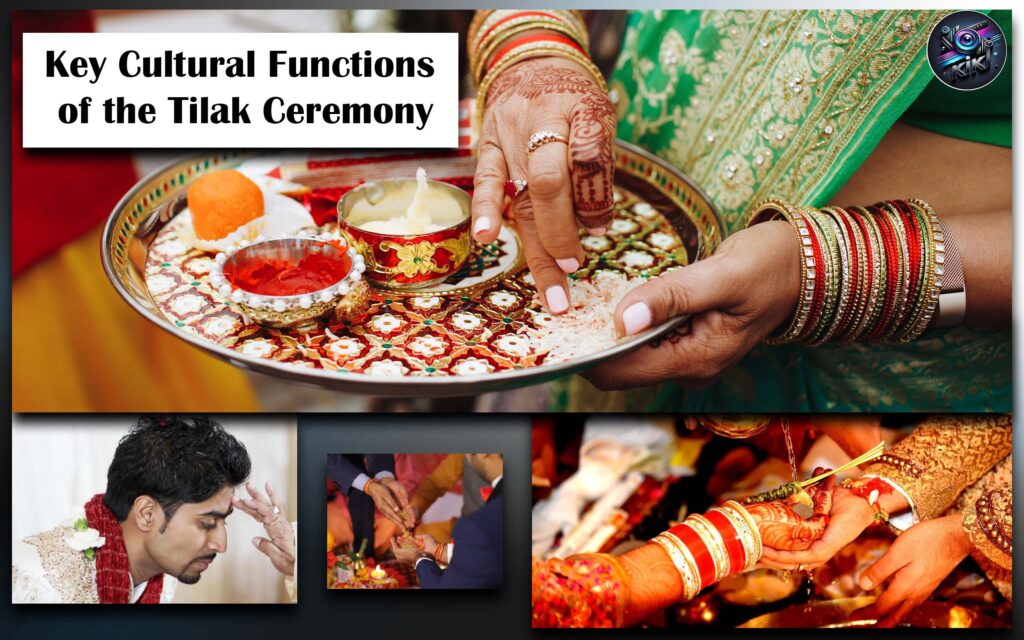
- Formal Acceptance: A public declaration that the groom is chosen with dignity and consent.
- Honoring the Groom: Respect is bestowed not through praise, but through responsibility and blessing.
- Family Bonding: Early interaction fosters familiarity, reducing distance and misunderstanding later.
Modern Relevance: Emotional Readiness and Transparency

In contemporary Mithila Vivah, Tilak plays a vital role in ensuring emotional readiness for marriage. Families often use this phase to:
- Align expectations respectfully
- Discuss practical matters like wedding planning
- Establish open communication
- Pandits increasingly encourage simplicity in Tilak, reminding families that clarity of intent is more sacred than grandeur of ceremony.
- Tilak as the First Sacred Yes
Before Kanyadaan offers trust, before Saptapadi seals vows, Tilak speaks the first sacred “yes.” It is where two families stand face to face—not as negotiators, but as future kin.
A Mithila Vivah that begins with a dignified Tilak is guided not by haste, but by honor.