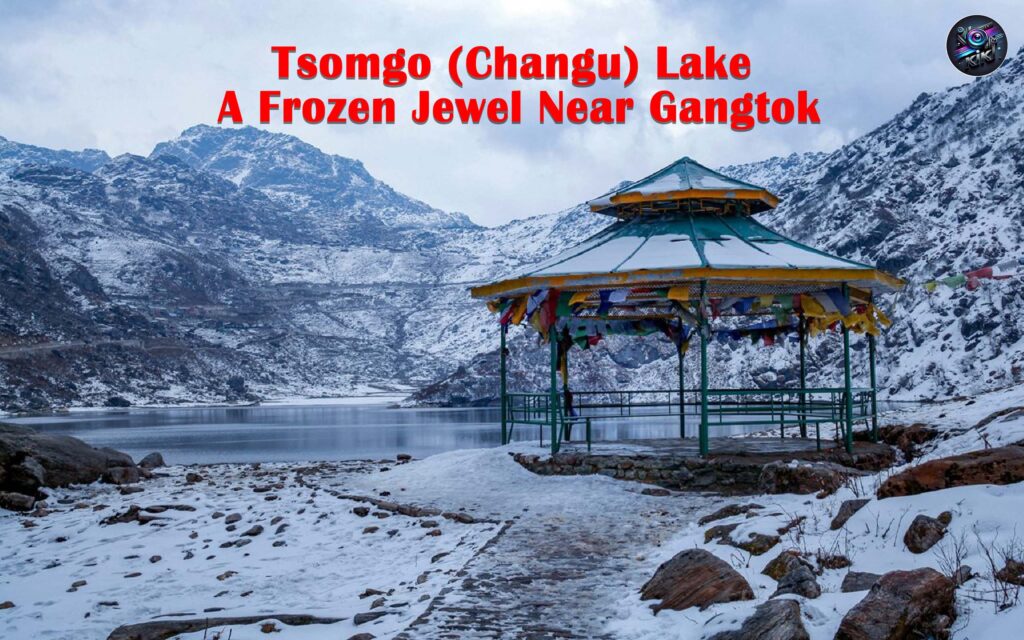
Just 40 km from Gangtok, nestled high in the eastern Himalayas, lies Tsomgo Lake, also known as Changu Lake—one of Sikkim’s most breathtaking natural wonders. Surrounded by rugged mountains and prayer flags fluttering in the wind, this glacial lake feels almost unreal, as if nature paused here to create a masterpiece.
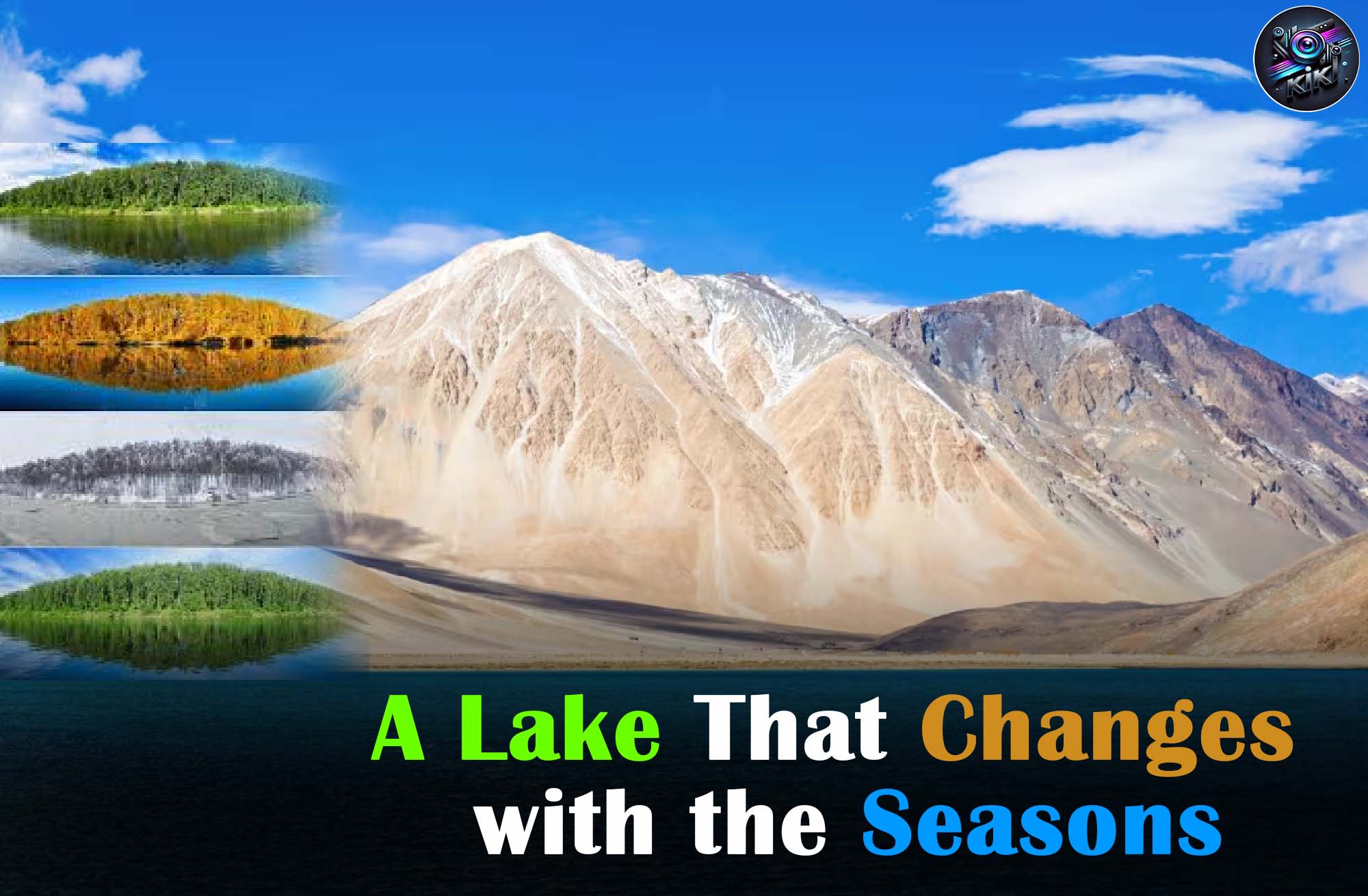
A Lake That Changes with the Seasons
What makes Tsomgo Lake truly special is its ever-changing personality.
Winter (December–February): The lake freezes completely, transforming into a white, dreamlike landscape. Snow blankets the surrounding hills, and yak rides add a touch of Himalayan charm.
Summer (April–June): As the ice melts, Tsomgo turns into a deep blue mirror, reflecting clouds and peaks. Alpine flowers bloom around the lake, bringing color and life.
Monsoon (July–September): The lake fills up with rainwater, appearing darker and more dramatic, though travel may be affected by weath
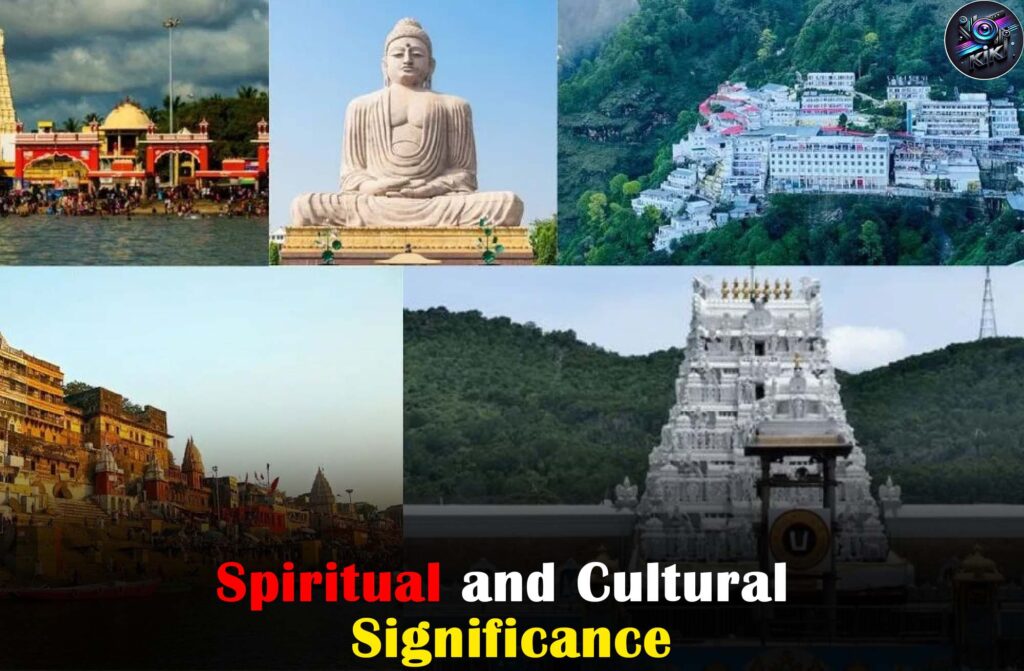
Spiritual and Cultural Significance
For the local communities, Tsomgo Lake holds deep spiritual importance. It is believed that Buddhist monks once predicted the future by observing the lake’s changing colors. Even today, prayer flags and a small shrine nearby reflect the region’s strong spiritual roots.
The Journey Is the Experience
The road to Tsomgo Lake is as memorable as the destination itself. Winding mountain roads, snow walls in winter, and sudden glimpses of the lake from a bend make the journey unforgettable. The altitude—over 12,000 feet—adds to the thrill, reminding visitors to move slowly and breathe deeply.
Things to Know Before You Go
Permits Required: Indian tourists need a permit, usually arranged by local travel agents in Gangtok.
Weather Changes Quickly: Carry warm clothes even in summer.
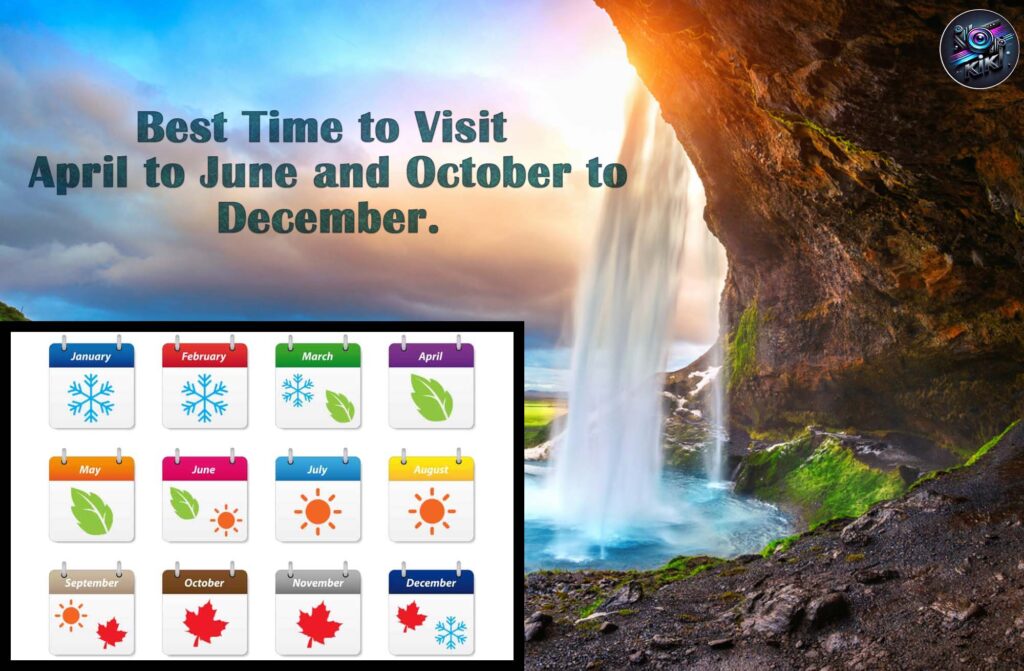
Best Time to Visit: April to June and October to December.
Altitude Caution: Avoid overexertion due to high altitude.
Why Tsomgo Lake Leaves a Mark
Tsomgo Lake is not loud or dramatic—it’s silent, powerful, and deeply calming. Whether frozen under snow or shimmering under the sun, it stays with you long after you leave.