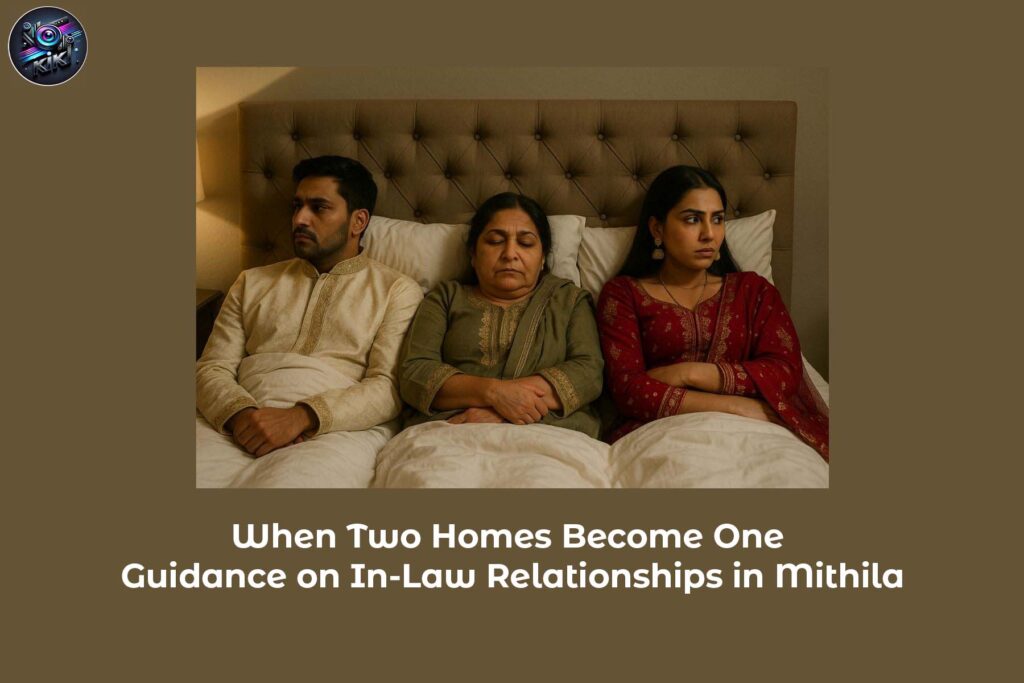
In Mithila tradition, marriage is never a private affair between two individuals. It is the gentle merging of two families, two lineages, and two emotional worlds. This belief lies at the heart of Maithil culture, where the success of a marriage is measured not only by the couple’s bond, but by the harmony that grows between both households.
Building strong, respectful in-law relationships is therefore not optional—it is essential for long-term happiness, stability, and emotional security. Rooted deeply in tradition, Mithila offers an empathetic cultural framework that prepares couples to navigate this transition with grace, patience, and wisdom.
Understanding this family dynamic is a vital part of meaningful pre-marriage preparation.
Respect and Responsibility: The Emotional Foundation

The values taught during sacred rituals do not end at the Mandap. Ceremonies like Tilak and Kanyadaan quietly lay the moral groundwork for future family relationships.
The bride and groom are taught reverence for elders, humility, and gratitude.
In return, elders are reminded of their role as guides and protectors, offering support rather than control.
This mutual responsibility creates balance. A newly married couple does not feel judged or dominated, but welcomed and mentored—a living expression of the humane guidance embedded in Maithil tradition.
Communication After Marriage: The Bridge to Harmony

In-law relationships flourish or fracture based on one crucial factor: communication.
Mithila’s nurturing cultural perspective encourages couples to:
- Discuss expectations openly
- Clarify traditions and daily practices
- Address differences early, with empathy rather than avoidance
When conversations are grounded in respect, misunderstandings dissolve before they harden into conflict.
Principles for Healthy Communication

- Active Listening
Listening not to reply, but to understand the emotions and experiences of elders. - Clear and Respectful Boundaries
Creating space for privacy and independence without breaking emotional bonds. - Shared Celebrations
Actively participating in Mithila festivals, rituals, and family moments to build emotional closeness. - Emotional Unity
The couple standing together with sensitivity—supporting their parents while protecting their partnership.
This approach transforms potential tension into trust.

- Practical Ways to Build Positive In-Law Bonds
- Strong relationships are built through small, sincere actions, not grand gestures.
- Show genuine interest in family traditions and stories
- Offer help in household planning and daily responsibilities
- Respect differences instead of comparing families
- Acknowledge elders’ wisdom while expressing individuality politely
- Over time, these efforts shift relationships from formality to familiarity—
from “in-laws” to extended family.
This is the true realization of the heartfelt union insights gained during the wedding ceremony.
From Two Families to One Shared Journey

Marriage then becomes what it was always meant to be:
- A shared emotional ecosystem
- A support system across generations
- A living example of sincere celebration values and rituals
Choosing a Partner Who Values Family Harmony
A strong marriage begins with shared values—not just between partners, but towards family.
Choosing a life partner who:
- Understands the importance of family bonds
- Respects tradition without rigidity
- Believes in empathy, patience, and responsibility
creates a partnership where love extends beyond the couple to embrace both families.
Because in Mithila, marriage does not divide homes—
it unites them gracefully into one.