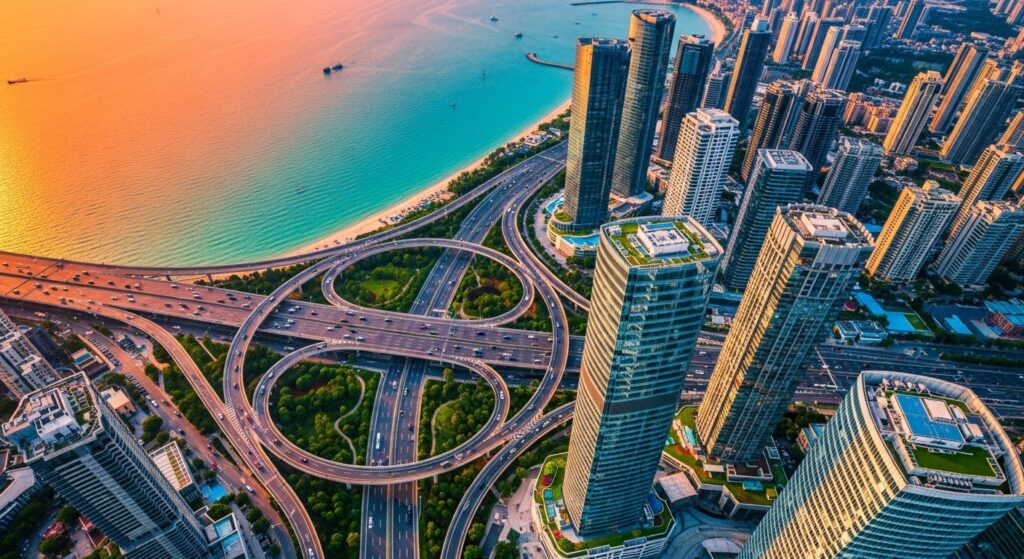
For decades, South Mumbai’s luxury housing market was defined by one paradox. It possessed the country’s most prestigious addresses, unmatched sea views, and the headquarters of India’s largest corporations, yet daily traffic congestion often undermined the premium lifestyle buyers expected. A journey from Nariman Point to Worli or Bandra during peak hours could easily consume an hour or more, reducing the practical value of even the most expensive homes. In 2026, that equation has changed dramatically. The Mumbai Coastal Road has become more than a transportation project—it has evolved into an economic catalyst that is fundamentally reshaping how luxury real estate is valued. As connectivity improves and travel times shrink, investors are asking a critical question: are soaring property prices backed by genuine long-term fundamentals, or has infrastructure excitement created another speculative cycle?
Infrastructure Has Become the New Luxury Premium
Historically, South Mumbai’s pricing advantage rested on heritage, exclusivity, and proximity to business districts. Today, infrastructure has become an equally powerful pricing factor. The Coastal Road has transformed accessibility between Marine Drive, Nariman Point, Breach Candy, Worli, and the western suburbs. What was once an unpredictable commute through Pedder Road and Haji Ali traffic has become a significantly faster and more reliable journey through tunnels, elevated sections, and modern traffic management systems.
Time has become a measurable financial asset. Senior executives, entrepreneurs, investment bankers, and business owners increasingly evaluate residential purchases not only by square footage but also by daily productivity gains. Saving 30 to 45 minutes each way translates into hundreds of additional productive hours annually. For buyers in the ₹20 crore to ₹100 crore segment, that time carries enormous economic value, justifying a substantial portion of today’s premium pricing.
The End of the Pedder Road Bottleneck
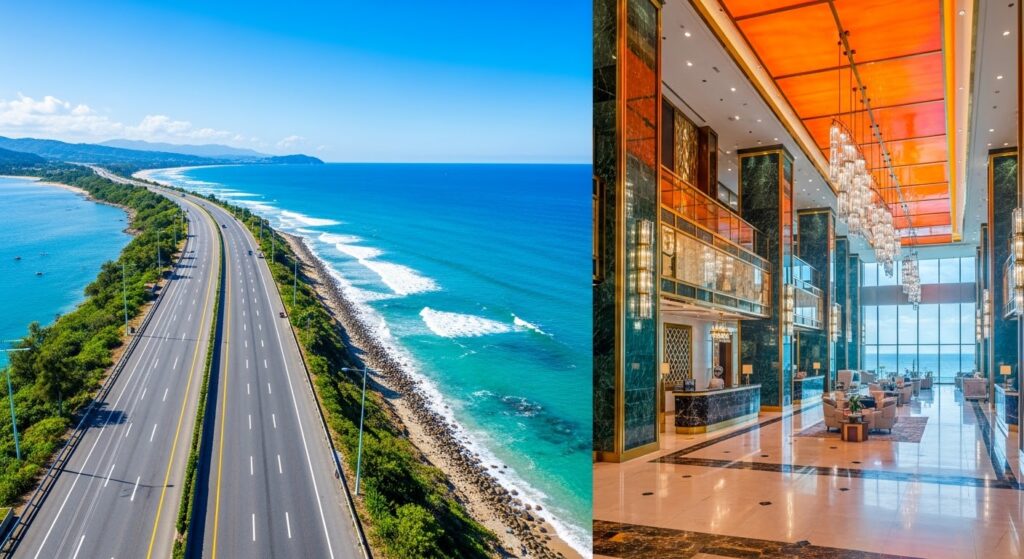
For years, Pedder Road symbolized one of Mumbai’s biggest urban contradictions. Residents lived in some of India’s most expensive apartments while spending considerable time trapped in traffic. The Coastal Road has fundamentally altered this experience by diverting through traffic away from internal city roads.
High-speed tunnels beneath Malabar Hill and modern bridges have reduced congestion across several traditional choke points. Travel between Nariman Point and Bandra has become significantly more predictable compared to previous years. Rather than navigating multiple traffic signals and slow-moving intersections, commuters experience uninterrupted movement across major stretches of the new corridor.
This improvement extends beyond convenience. Reliable travel enhances business efficiency, encourages premium office leasing, and strengthens the attractiveness of South Mumbai as a residential destination for professionals working across different commercial hubs.
South Mumbai Is No Longer Geographically Isolated
The Coastal Road has effectively redefined Mumbai’s urban geography. South Mumbai is no longer perceived as a prestigious yet difficult-to-access peninsula. Instead, it functions as an integrated component of the metropolitan business ecosystem.
Business districts such as Nariman Point, Lower Parel, Bandra-Kurla Complex, and emerging commercial centres are now better connected than ever before. Professionals can reside in South Mumbai while maintaining practical access to offices across the metropolitan region.
This connectivity has widened the buyer base considerably. Earlier, many high-income professionals preferred western suburban locations primarily because of commuting convenience. Today, improved infrastructure has renewed interest in South Mumbai’s historic luxury neighbourhoods, strengthening both demand and long-term capital values.
Green Spaces Are Creating a Lifestyle Dividend
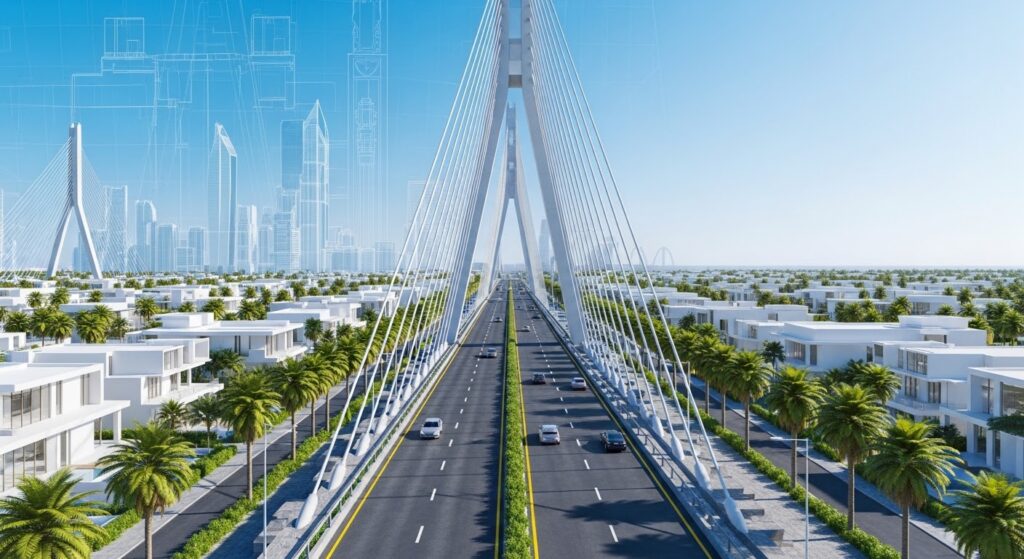
One of the less discussed yet highly significant aspects of the Coastal Road project is its large-scale urban landscaping. The development incorporates an extensive network of promenades, gardens, recreational areas, cycling tracks, jogging paths, and open public spaces spanning nearly 70 hectares.
For decades, one criticism of South Mumbai living was the limited availability of accessible green spaces despite extremely high residential prices. The new recreational infrastructure addresses this gap by offering residents improved outdoor amenities without leaving their neighbourhoods.
International luxury property markets consistently demonstrate that proximity to quality public spaces increases residential values. Whether in London, Singapore, Sydney, or New York, homes located near waterfront parks command higher premiums. Mumbai is now witnessing a similar trend, with nearby residential projects benefiting from enhanced lifestyle appeal and stronger buyer demand.
Engineering That Improves Urban Living
Beyond aesthetics, the Coastal Road represents one of India’s most sophisticated urban engineering achievements. Extensive environmental planning has incorporated advanced drainage systems, noise barriers, landscaping, ventilation infrastructure within tunnels, and coastal protection measures.
While large infrastructure projects naturally create environmental debates, the completed development has introduced several design elements intended to reduce traffic congestion, minimize localized emissions from idling vehicles, and improve overall traffic distribution across the city.
For nearby luxury housing, reduced through-traffic translates into quieter neighbourhoods, improved pedestrian movement, and enhanced quality of life. These improvements contribute directly to property valuations because buyers increasingly prioritize overall living experience rather than simply purchasing a prestigious address.
Emerging Investment Hotspots Across South Mumbai
Several micro-markets have benefited disproportionately from improved accessibility. Worli continues to strengthen its position as Mumbai’s premier luxury residential district, supported by excellent connectivity through both the Coastal Road and the Bandra-Worli Sea Link.
Neighbourhoods including Breach Candy, Nepean Sea Road, Malabar Hill, Cuffe Parade, and portions of Marine Drive continue attracting ultra-high-net-worth buyers seeking both prestige and improved transportation convenience.
Areas previously considered relatively stagnant due to congestion have experienced renewed investor interest. Improved accessibility has expanded buyer confidence, leading to increased redevelopment activity and stronger pricing across several established residential zones.
Rather than relying solely on historical prestige, these markets now benefit from measurable infrastructure advantages that strengthen their long-term investment proposition.
Redevelopment Is Reshaping Historic Neighbourhoods
One of the most visible outcomes of enhanced connectivity has been the acceleration of redevelopment projects across South Mumbai. Numerous ageing residential buildings and colonial-era structures are being replaced by boutique luxury towers featuring modern architecture, premium amenities, and significantly larger apartment layouts.
Developers recognize that improved accessibility has expanded the pool of affluent buyers willing to invest in South Mumbai. Consequently, redevelopment economics have become increasingly attractive, allowing projects to command record launch prices while maintaining strong absorption rates.
These boutique developments preserve the exclusivity of South Mumbai by offering limited inventories, personalized services, private wellness facilities, and premium security systems tailored to ultra-luxury buyers.
Rental Markets Are Also Strengthening
Capital appreciation often attracts headlines, but rental performance provides equally valuable insight into market fundamentals. South Mumbai continues to attract expatriate executives, multinational corporations, investment firms, legal professionals, and diplomatic communities seeking premium residences close to commercial centres.
Although rental yields generally remain modest compared to emerging Indian cities, the absolute rental values remain among the highest in the country. Compared with global luxury destinations such as Dubai or Miami, South Mumbai’s yields may appear lower, but its investment profile relies more heavily on long-term capital appreciation, scarcity of supply, and enduring demand rather than rental income alone.
Investors focused on wealth preservation often view these characteristics as more important than maximizing annual yield percentages.
Is the Market Entering Bubble Territory?
Every major infrastructure project triggers speculation, and Mumbai is no exception. Some newly launched luxury developments have witnessed rapid price escalation, raising concerns that investor enthusiasm may be exceeding underlying demand.
However, unlike purely speculative markets, South Mumbai benefits from structural supply limitations. Land availability remains extremely restricted, redevelopment approvals are complex, construction costs continue rising, and wealthy buyers increasingly seek established premium locations.
While short-term price corrections remain possible in selected micro-markets, the broader market is supported by genuine scarcity, sustained economic growth, expanding wealth creation, and continuous infrastructure upgrades. Investors should nevertheless distinguish between projects with strong fundamentals and those relying primarily on marketing narratives.
The Next Growth Wave
The Coastal Road represents only one component of Mumbai’s broader infrastructure transformation. Future extensions, integration with the Navi Mumbai Trans Harbour Link, Metro corridors, airport connectivity improvements, and additional expressway networks are expected to further reduce travel times across the metropolitan region.
As these projects mature, South Mumbai will become even more integrated with the city’s expanding economic landscape. Rather than functioning as an isolated luxury enclave, it will serve as a highly connected residential and commercial hub capable of attracting domestic and international investment at unprecedented levels.
Final Thoughts
The Mumbai Coastal Road has fundamentally altered the relationship between infrastructure and luxury real estate. It has compressed travel times, improved urban livability, stimulated redevelopment, enhanced public spaces, and strengthened investor confidence across South Mumbai’s most prestigious neighbourhoods. While premium pricing has undoubtedly increased, much of this appreciation is supported by tangible improvements in accessibility and lifestyle rather than speculation alone.
For long-term investors, the opportunity lies not in chasing every headline-making project but in identifying micro-markets where infrastructure improvements align with limited supply, redevelopment potential, and enduring buyer demand. South Mumbai’s luxury housing market has entered a new phase—one where connectivity has become as valuable as the sea view itself. The Coastal Road has not merely shortened journeys; it has redefined how India’s most prestigious real estate market creates, sustains, and justifies value in the years ahead.