Mumbai’s suburbs are often defined by packed local trains, endless traffic, and rapidly expanding concrete skylines. For most commuters, Virar and Vasai are simply two stations on the Western Railway line, connected by daily routines and crowded platforms. Yet hidden beyond the highways and apartment complexes lies a completely different world—one that can only truly be appreciated on two wheels. The 20-kilometer cycling trail from Virar to Vasai is less about speed and more about slowing down, trading the roar of engines for the rhythmic hum of bicycle tires rolling through salt pans, wetlands, palm groves, and centuries-old villages. It is a journey that reveals an overlooked side of Mumbai’s northern coastline, where geography, history, biodiversity, and culture merge into one unforgettable ride.
The adventure begins just outside Virar Railway Station during the early morning rush. Thousands of commuters pour out of the station, buses honk impatiently, vendors prepare breakfast stalls, and the city’s relentless pace feels overwhelming. But instead of joining the traffic, we steer our bicycles toward quieter interior roads leading westward. Within just a few kilometers, the transformation becomes remarkable. High-rise residential buildings gradually disappear behind us, traffic begins to thin, and wide stretches of open sky replace the maze of concrete. The air feels fresher, carrying faint hints of sea salt drifting inland from the Arabian Sea. It is difficult to believe that such peaceful landscapes exist so close to one of India’s busiest suburban rail corridors.
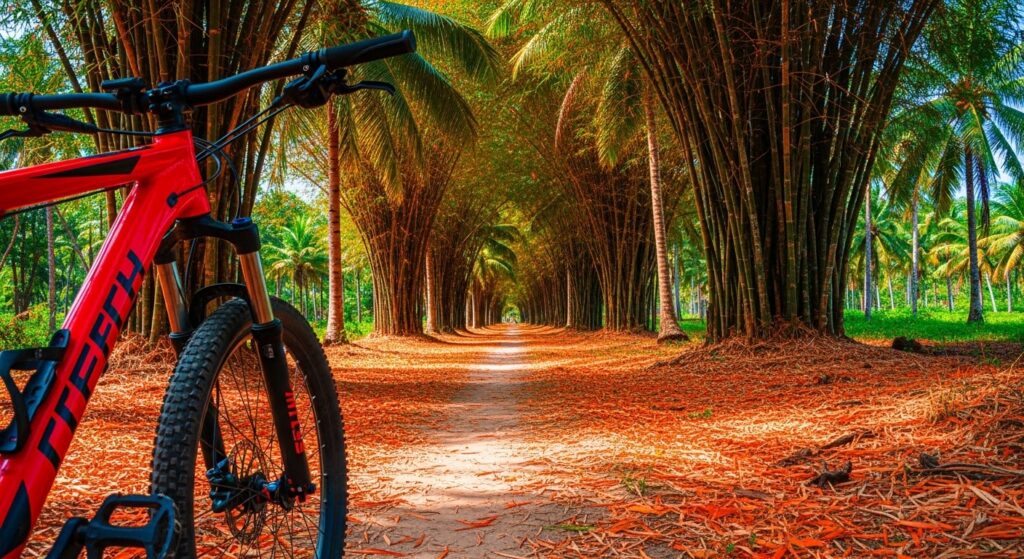
Before embarking on this ride, preparation is essential, especially during the monsoon season. Although the trail is relatively flat and beginner-friendly, August weather along Maharashtra’s coast can be unpredictable. A well-maintained hybrid or mountain bike with reliable disc brakes offers greater confidence on wet roads and occasional muddy stretches. Waterproof panniers or backpacks help protect electronics, while a lightweight rain jacket, helmet, cycling gloves, reflective clothing, portable repair kit, spare tube, mini pump, and sufficient drinking water should always accompany every cyclist. Since humidity remains high throughout the ride, breathable clothing and quick-dry fabrics significantly improve comfort. Early morning departures not only avoid intense afternoon heat but also provide the most spectacular lighting for photography.
As the urban landscape fades, one of the trail’s most striking features begins to emerge—the expansive salt pans that have shaped this region’s economy for generations. Stretching across large sections between Virar and Vasai, these geometric fields shimmer under the morning sunlight, creating mirror-like reflections that transform the landscape into an abstract work of art. During the dry season, workers carefully manage evaporation ponds using traditional techniques that have changed little over decades. While salt production slows during the peak monsoon due to heavy rainfall, the region still tells the story of Maharashtra’s historic salt industry. Watching local communities maintaining these vast landscapes offers a fascinating reminder that not every profession has been transformed by rapid urbanization. Here, the rhythm of work still follows the rhythm of nature.
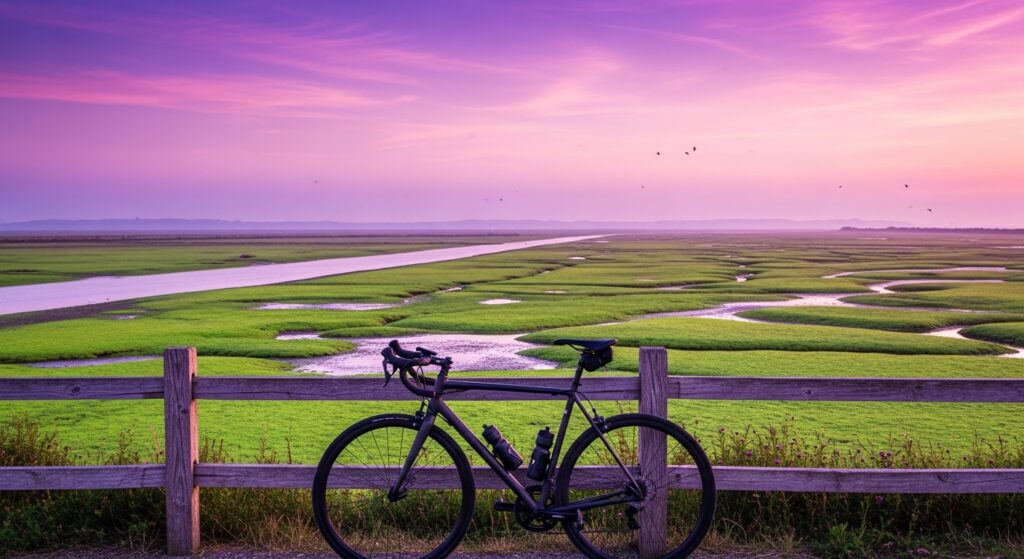
For photographers and filmmakers, the salt pans provide endless visual opportunities. Calm pools of water reflect drifting monsoon clouds, distant palm trees, and the soft golden light of sunrise. A cyclist passing along narrow embankments creates cinematic compositions rarely associated with suburban Mumbai. The stillness is almost meditative. Instead of hearing accelerating motorcycles or construction equipment, the dominant sounds become distant bird calls, gentle breezes, and the occasional splash of water as wading birds search for food. Every pause along this section encourages reflection rather than haste.
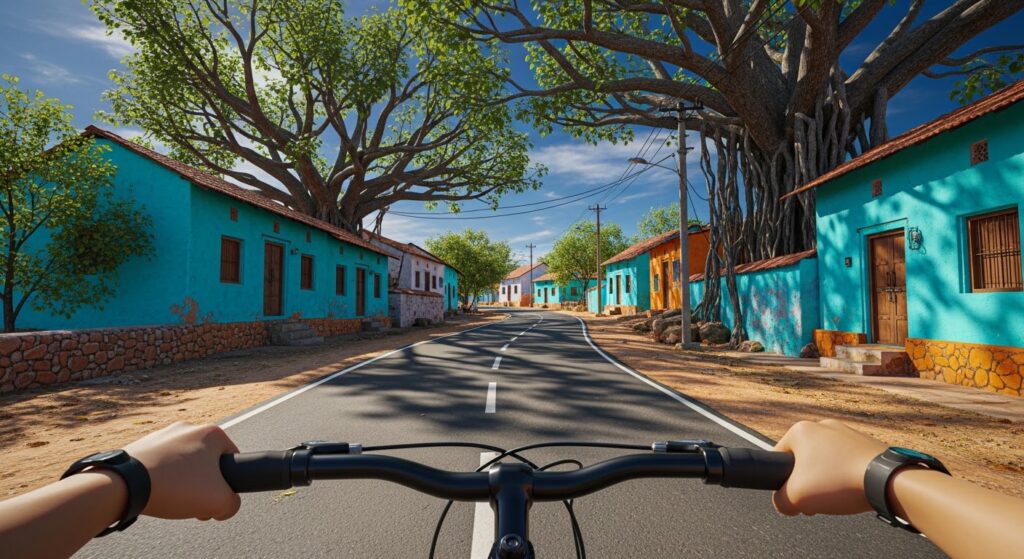
Continuing toward Vasai, the route enters a series of quiet hamlets where the atmosphere changes once again. Coconut palms, betel nut plantations, banana groves, and dense tropical vegetation create natural green tunnels that provide welcome shade against the humid coastal climate. These villages possess a charm that modern urban planning rarely achieves. Narrow roads weave past traditional homes with tiled roofs, brightly painted facades, and flowering gardens carefully maintained by local families. The East Indian community, whose history in the region stretches back centuries, has preserved distinctive architecture, cuisine, and cultural traditions despite rapid development surrounding Mumbai’s outskirts. Passing through these settlements feels like entering another era where daily life continues at a slower, more deliberate pace.
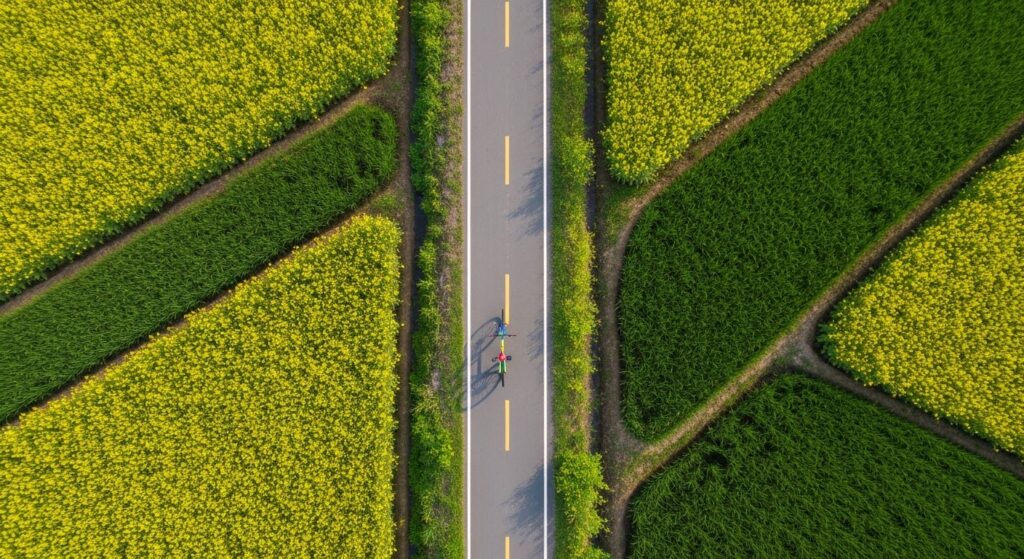
The cycling experience itself becomes increasingly immersive as paved roads occasionally give way to compact dirt paths bordered by lush greenery. Although these sections require slightly greater attention, they reward cyclists with an intimate connection to the surrounding landscape. Small streams cut across agricultural fields, butterflies drift between flowering plants, and farmers tend seasonal crops that flourish in the fertile monsoon soil. Every turn reveals another postcard-worthy scene, reinforcing why cycling remains one of the most rewarding ways to explore destinations that often remain invisible from car windows.
As the trail approaches the coastal backwaters near Vasai, the geography undergoes another fascinating transformation. Freshwater channels begin interacting with tidal influences from the Arabian Sea, creating a rich network of creeks, mangroves, mudflats, and wetlands that support extraordinary biodiversity. These ecosystems perform critical ecological functions by protecting the coastline from erosion, filtering pollutants, storing carbon, and providing breeding grounds for countless marine species. During the monsoon and winter months, the wetlands become particularly vibrant, attracting numerous resident and migratory birds. Birdwatchers may spot egrets, herons, kingfishers, cormorants, sandpipers, and, depending on the season, even flamingos in parts of the wider Vasai Creek ecosystem. The quiet surroundings allow cyclists to appreciate nature in a way impossible from busy highways.
One of the greatest pleasures of this section is simply stopping to listen. The soundtrack has completely changed since leaving Virar Station. Instead of train announcements and vehicle horns, the landscape is filled with rustling mangrove leaves, chirping insects, flowing tidal water, and birds communicating across the wetlands. These natural sounds create an atmosphere of calm that urban residents rarely experience during their daily routines. The ride evolves beyond physical exercise into a form of mindfulness, where every pedal stroke becomes synchronized with the surrounding environment.
Gradually, unmistakable signs of Vasai’s remarkable history begin appearing along the route. Portuguese influences become visible through old churches, colonial-era architecture, roadside crosses, and historic settlements that reflect the region’s importance during the sixteenth and seventeenth centuries. Although the magnificent Vasai Fort lies slightly beyond the direct cycling corridor, its historical presence dominates the identity of the surrounding landscape. Ancient stone walls, weathered gateways, and centuries-old ruins remind visitors that these quiet villages once formed part of one of Portugal’s most significant colonial strongholds in western India. The transition from untouched wetlands to historic architecture creates a unique narrative rarely found within such a short cycling distance.
From a cycling perspective, this approximately 20-kilometer route remains highly accessible for beginners and recreational riders. The terrain is largely flat, with only gentle elevation changes, making it suitable for families, fitness enthusiasts, photographers, and weekend explorers alike. Depending on the number of photography stops, birdwatching breaks, and refreshments, the journey typically takes between two and four hours. Rather than treating the ride as a race, it is best enjoyed as a leisurely exploration of landscapes that deserve careful observation.
Looking toward the future, the Virar-Vasai region stands at an important crossroads. Infrastructure development, including proposed road expansions and broader coastal connectivity projects in the Mumbai Metropolitan Region, promises improved transportation and economic opportunities. Better connectivity can reduce travel times, strengthen tourism, and improve access for local communities. At the same time, planners and citizens face the responsibility of protecting the fragile wetlands, mangroves, salt pans, and biodiversity that make this landscape so unique. Sustainable development will require balancing modern infrastructure with ecological conservation to ensure future generations can continue experiencing these remarkable green corridors.
As the day draws to a close, the final approach toward Vasai Creek offers one last unforgettable reward. The setting sun paints the water in shades of gold, orange, and crimson while silhouettes of fishing boats drift across the horizon. Coconut palms sway gently against the evening sky, and the reflections shimmering across the tidal waters create a scene worthy of any travel documentary. Standing beside the creek after completing the journey, it becomes clear that this ride was never simply about covering twenty kilometers. It was about discovering a forgotten landscape hiding between two of Mumbai’s busiest suburban centers—a place where wetlands replace highways, silence replaces congestion, and history blends effortlessly with nature.
The Virar to Vasai Cycling Trail proves that extraordinary adventures do not always require distant mountains or remote national parks. Sometimes, the most rewarding journeys begin just beyond the suburban railway line, waiting for those willing to exchange four wheels for two and experience Mumbai’s northern coastline at the gentle pace it deserves. Whether you are a cyclist, photographer, nature enthusiast, or simply someone searching for a peaceful escape from city life, this scenic coastal route offers one of the most authentic and visually stunning outdoor experiences in the Mumbai Metropolitan Region.
Marine Drive: Where the City Breathes Through the Sea
Mumbai’s Marine Drive is much more than a coastal road. It is the emotional balcony of India’s financial capital. Every evening, thousands of people gather along the promenade—office workers escaping stressful boardrooms, students discussing dreams, photographers chasing dramatic sunsets, runners maintaining fitness routines, elderly couples reliving memories, and tourists experiencing the city’s most iconic skyline.
Standing beside the Arabian Sea, you immediately notice something unusual. Although traffic flows continuously behind you, the crashing waves create a powerful layer of white noise. Instead of amplifying the chaos, the sea somehow absorbs it. The repetitive rhythm of water striking the tetrapods gradually replaces the sounds of honking vehicles and conversations.
Marine Drive represents a fascinating contradiction. It is one of the busiest public spaces in India, yet many visitors come here seeking solitude. Thousands of strangers sit only a few feet apart without speaking to one another, each privately watching the same horizon. It is a rare example of collective solitude, where people find personal peace while sharing the same public space.
As sunset approaches, the city undergoes another transformation. Streetlights illuminate the sweeping curve of Marine Drive, creating the famous Queen’s Necklace—one of the world’s most recognizable urban skylines. The sea reflects shimmering lights while waves continue their timeless rhythm. In that moment, Mumbai feels less like a crowded metropolis and more like a city breathing in harmony with the ocean.