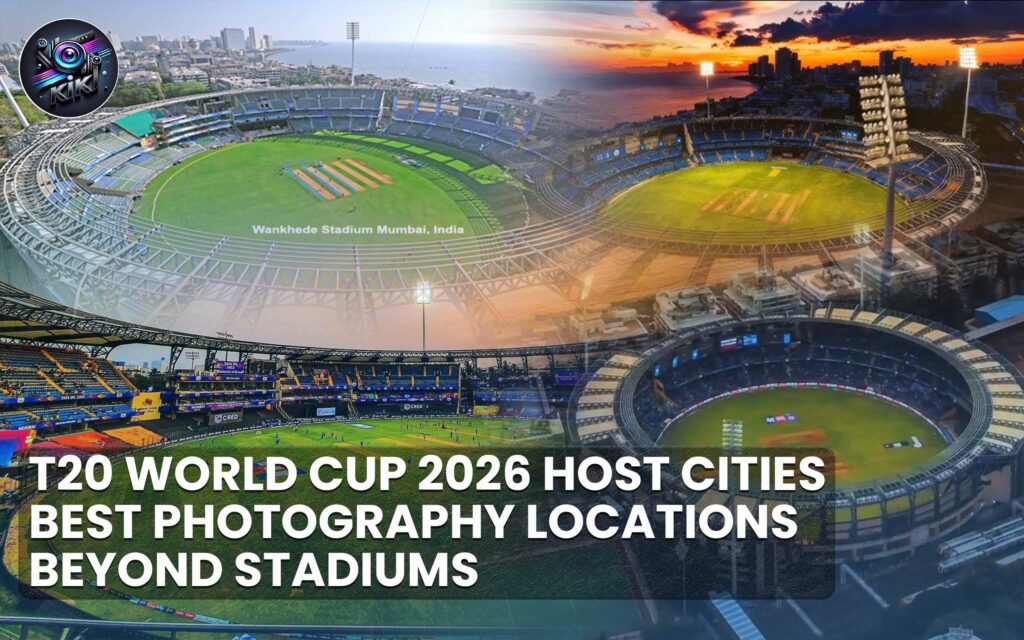
T20 World Cup 2026 Host Cities: Best Photography Locations Beyond Stadiums
T20 World Cup 2026 Host Cities: Best Photography Locations Beyond Stadiums
Aryan verma
January 18, 2026
12:00 pm
The ICC Men’s T20 World Cup 2026 will light up stadiums across India and Sri Lanka, but the real magic for photographers lies outside the boundary ropes. Every host city is a canvas—full of stories, colours, emotions, and moments that unfold before and after the matches.
If you’re a photographer, traveler, vlogger, or visual storyteller, this World Cup is your chance to capture cricket’s impact on cities—not just the game itself.
Let’s explore the best photography locations beyond stadiums in the T20 World Cup 2026 host cities.
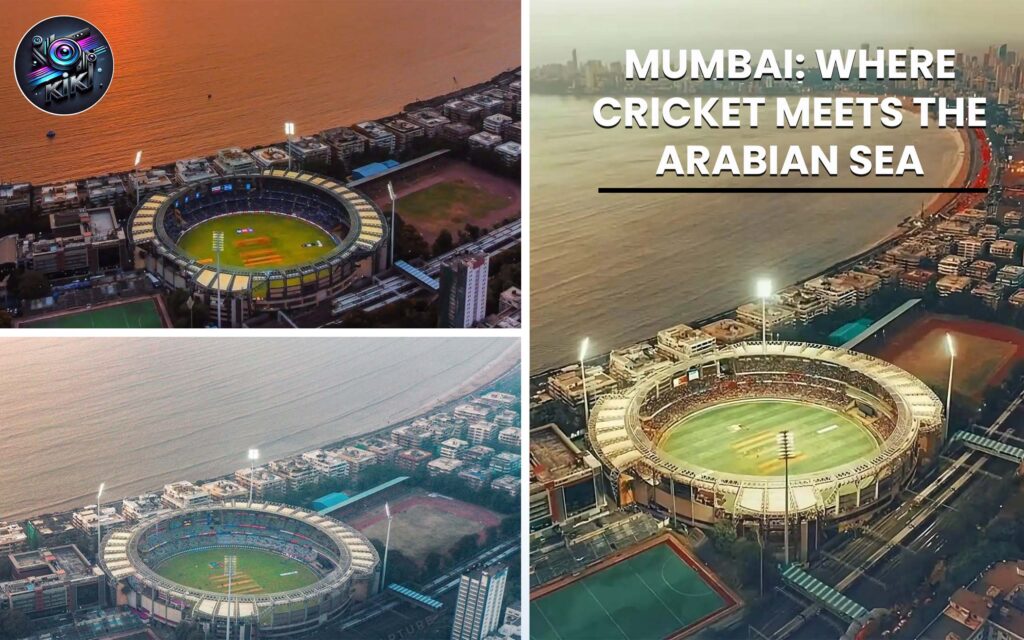
Mumbai: Where Cricket Meets the Arabian Sea
Mumbai doesn’t sleep—and during a World Cup, it doesn’t blink either.
Best Photography Spots
Marine Drive at dusk – Fan silhouettes against the sea
Gateway of India – Flags, jerseys, and global crowds
Dadar & Churchgate stations – Raw match-day energy
Juhu Beach – Celebrations, street cricket, sunset frames
Photography tip: Shoot wide angles post-match—emotions peak after wins and losses.
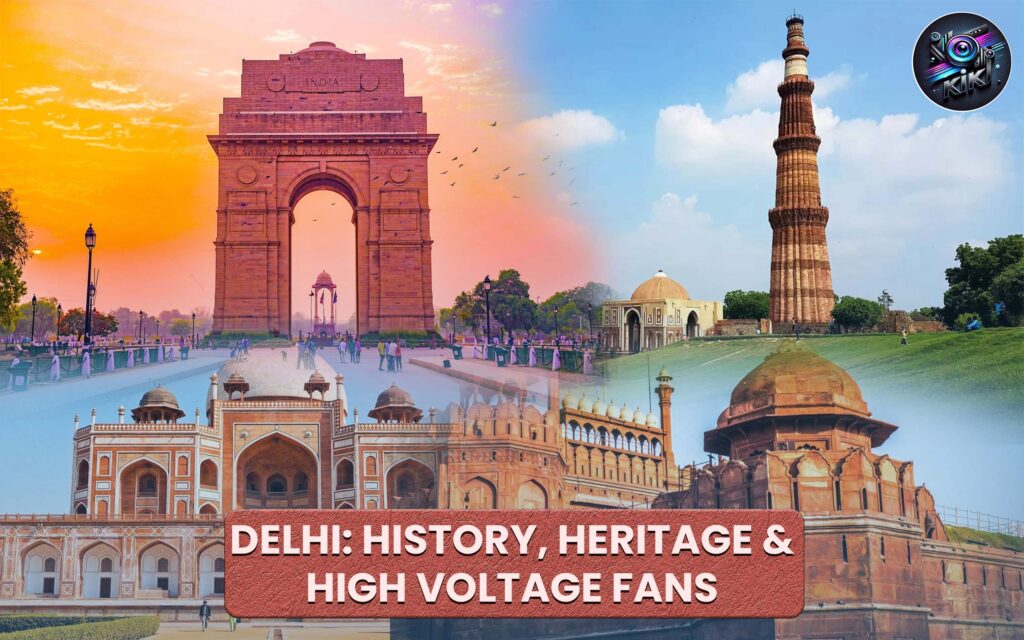
Delhi: History, Heritage & High Voltage Fans
Delhi offers contrast—ancient monuments and modern madness.
Best Photography Spots
India Gate lawns – Crowd reactions & public screenings
Old Delhi (Chandni Chowk) – Street life + cricket fever
Humayun’s Tomb – Calm frames before match chaos
Connaught Place – Night shots with neon and fans
Photography tip: Black-and-white street photography works beautifully in Old Delhi.
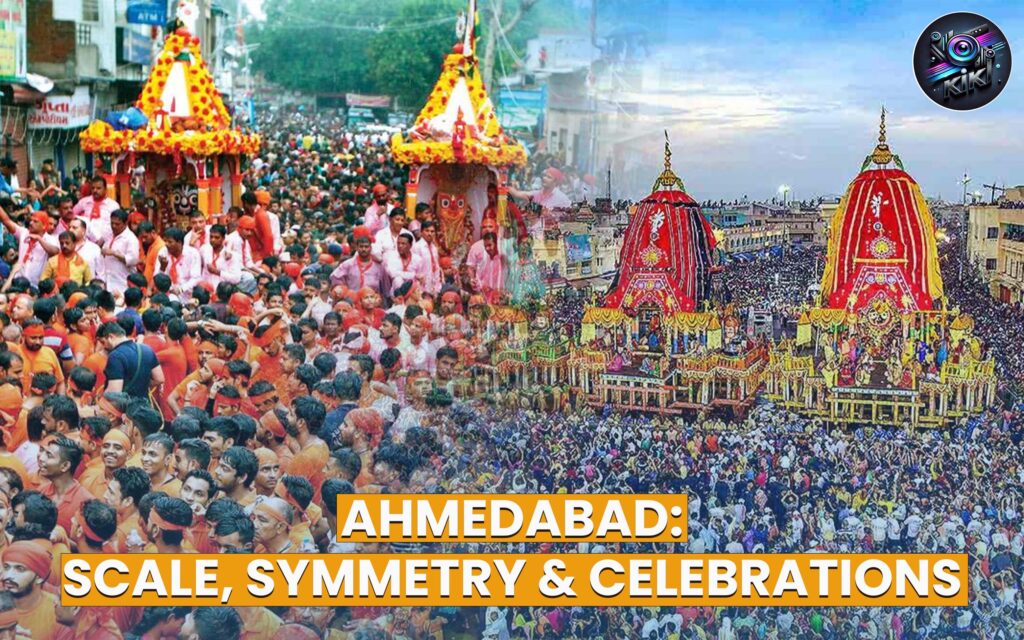
Ahmedabad: Scale, Symmetry & Celebration
Home to the world’s largest cricket stadium, Ahmedabad delivers grand visuals.
Best Photography Spots
Sabarmati Riverfront – Reflections, evening walks
Adalaj Stepwell – Architectural storytelling
Old City Pols – Heritage lanes with modern fandom
Riverfront night skyline – Minimalist urban frames
Local filter coffee shops – Quiet pre-match rituals
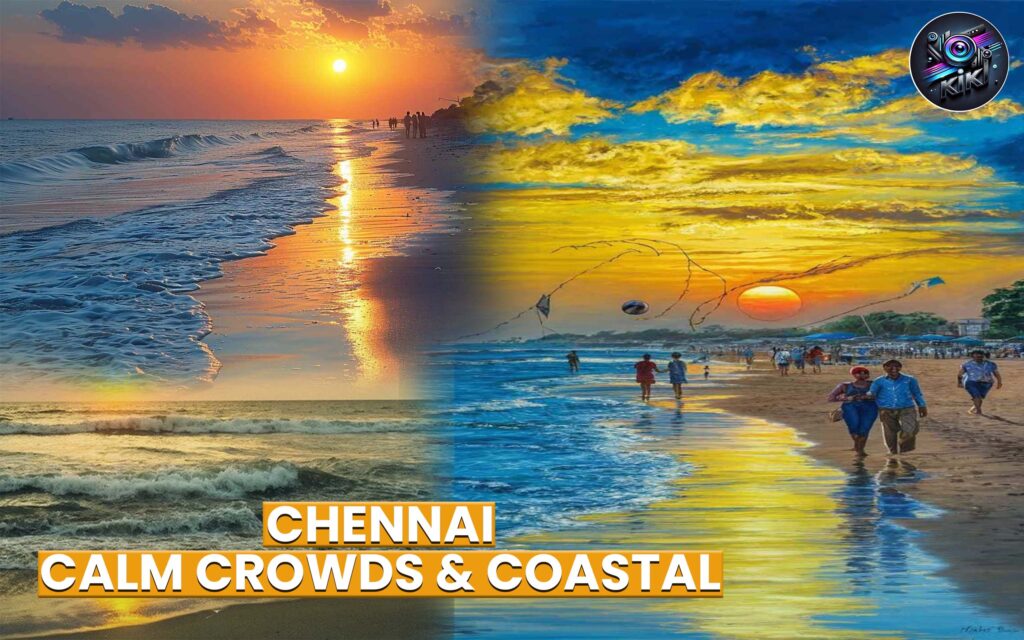
Photography tip: Use warm tones—Chennai light is gentle and cinematic.
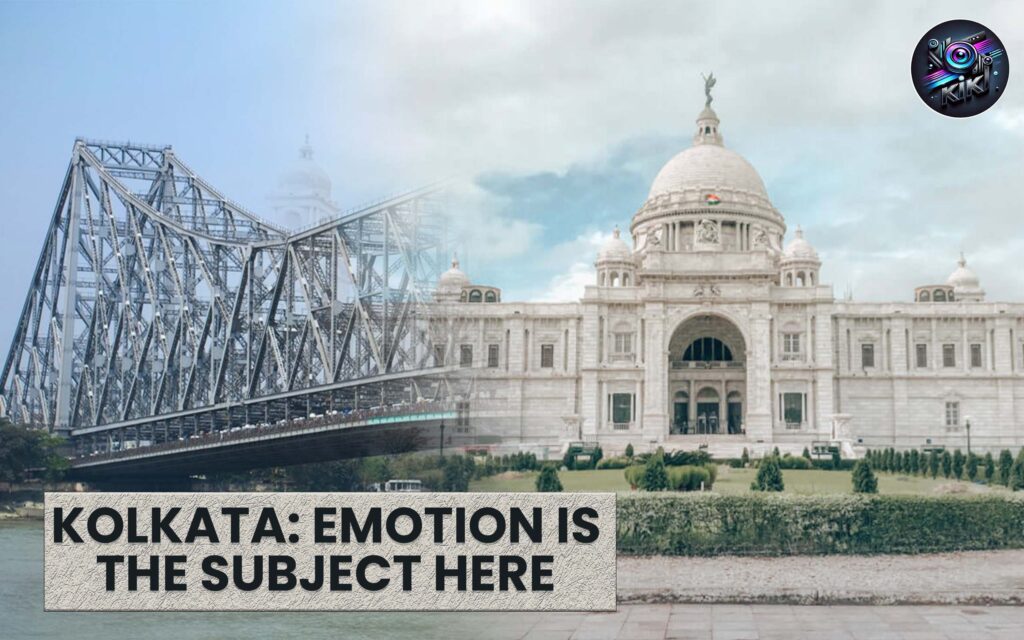
Kolkata: Emotion is the Subject Here
Kolkata doesn’t watch cricket—it feels it.
Best Photography Spots
Howrah Bridge – Movement, crowd flow, drama
College Street – Intellectual fandom, bookstalls
Princep Ghat – River Hooghly + evening light
North Kolkata lanes – Old homes, new jerseys
Photography tip: Focus on faces—Kolkata expressions tell full stories.
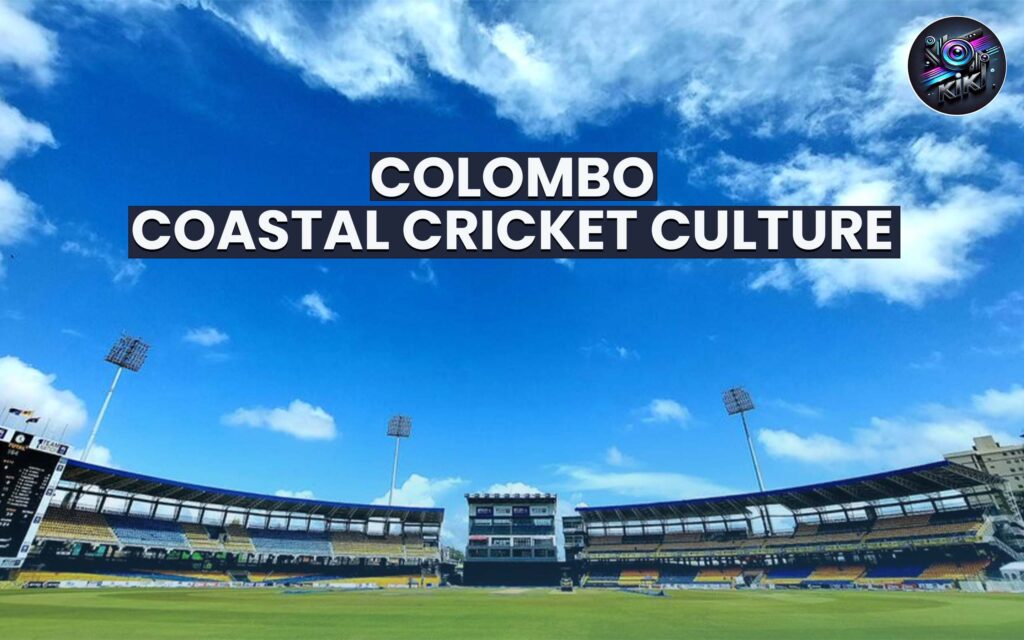
Colombo: Coastal Cricket Culture
ri Lanka offers compact travel and rich visual diversity.
Best Photography Spots
Galle Face Green – Kite flyers, street food, fans
Pettah Market – Chaos, colour, commerce
Lotus Tower viewpoints – Urban skyline shots
Beach roads at sunset – Calm after cricket noise
Photography tip: Capture movement—Sri Lanka’s streets are always alive.
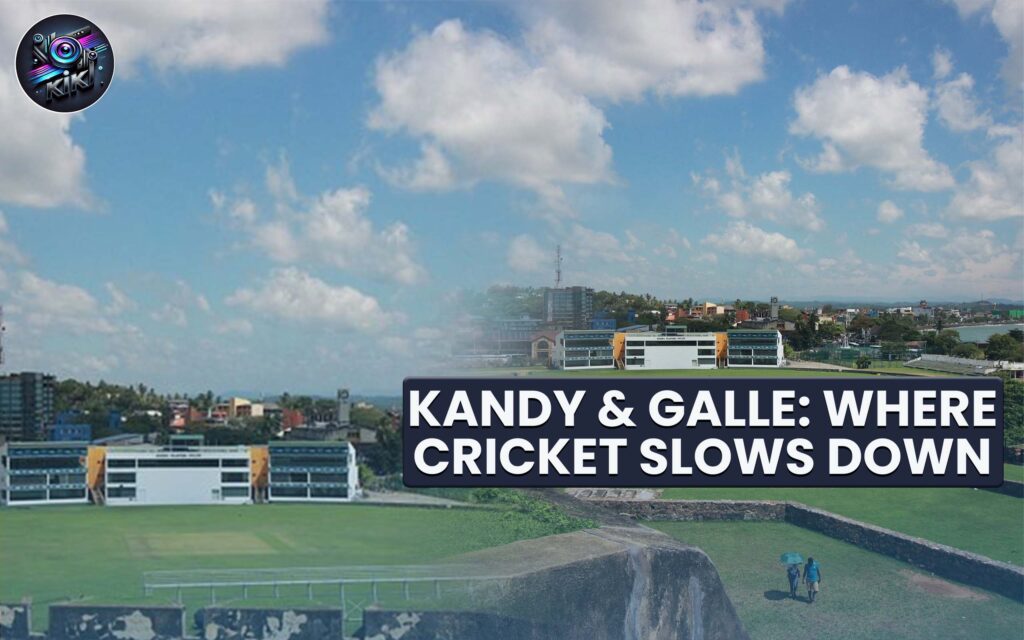
Kandy & Galle: Where Cricket Slows Down
Perfect for photographers who prefer storytelling over speed.
Best Photography Spots
Kandy Lake Walk – Morning calm & reflections
Temple of the Tooth surroundings – Spiritual frames
Galle Fort streets – Colonial textures, travel vibes
Southern beaches – Fans unwinding after matches
Photography tip: Shoot lifestyle portraits—cricket blends seamlessly into daily life here.
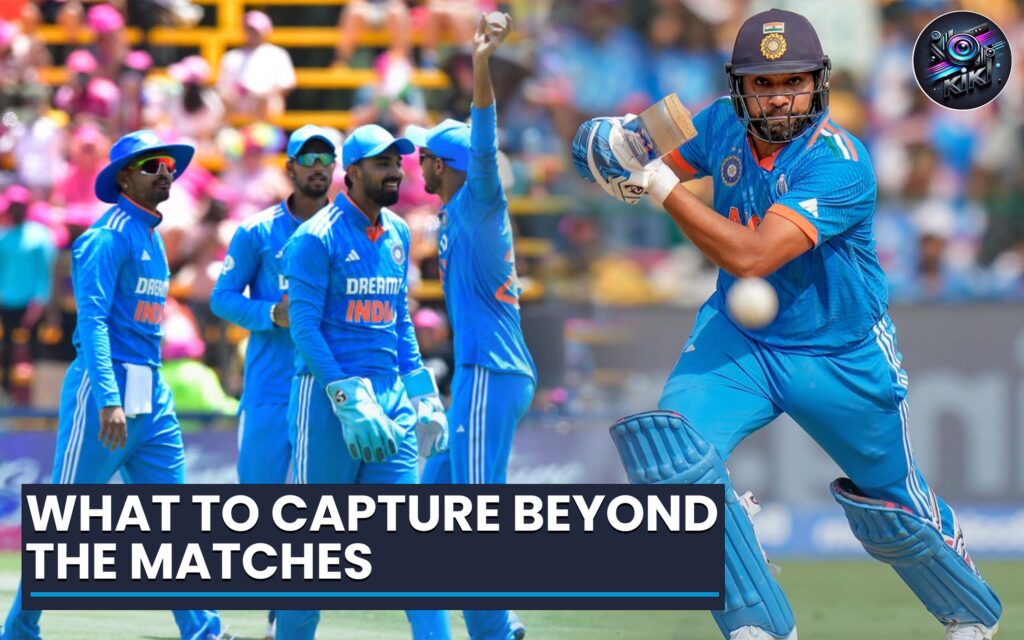
What to Capture Beyond the Matches
Don’t chase the ball—chase the impact:
Fans painting faces & waving flags
Street vendors selling jerseys
Children playing gully cricket
Post-match celebrations or silence
Night travel, cafés, and city lights
These moments outlive scorecards.
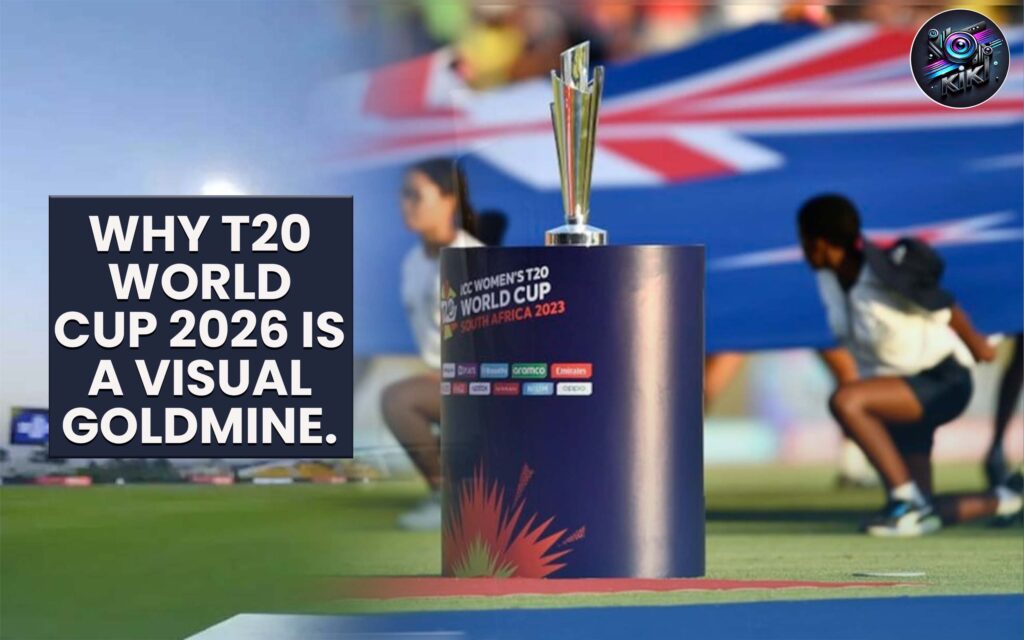
Why T20 World Cup 2026 Is a Visual Goldmine
Multiple cities = diverse visual stories
High footfall = authentic human moments
Event tourism = layered narratives
Perfect blend of sports + culture + travel
For photographers and creators, this World Cup is not a project—it’s a portfolio upgrade.
Final Frame
The T20 World Cup 2026 will be remembered not just for sixes and wickets, but for how cities breathe cricket into their streets. Step beyond the stadium gates, slow down, observe—and let the cities tell their stories through your lens.