India, a land of rich spirituality and ancient traditions, is home to many sacred temples dedicated to deities worshiped for centuries. Among these, the 12 Jyotirlingas of Lord Shiva hold a special place in the hearts of devotees. These sacred shrines are not just places of worship; they are believed to be manifestations of Lord Shiva himself, radiating spiritual energy and offering blessings to those who visit.
In this blog, we will explore all 12 Jyotirlingas, their locations, historical significance, and spiritual importance.
What is a Jyotirlinga?
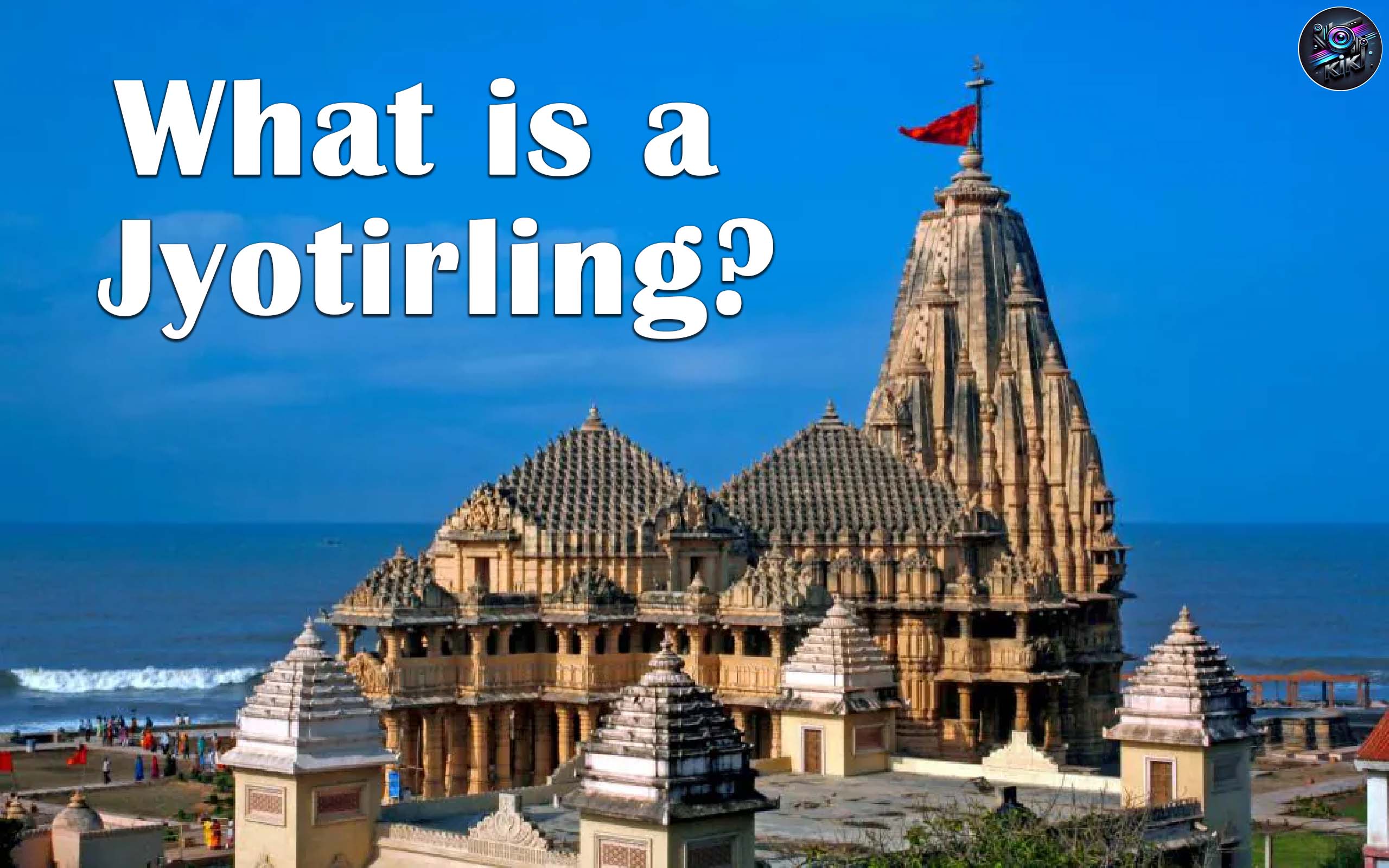
The word Jyotirlinga comes from two Sanskrit words: Jyoti (light) and Linga (symbol of Shiva). Legend says that Lord Shiva appeared as a pillar of light in each of these 12 places, making them immensely sacred. Devotees believe that visiting these Jyotirlingas and offering prayers helps in spiritual growth, fulfillment of wishes, and liberation from sins.
- Somnath Jyotirlinga – Gujarat
Location: Prabhas Patan, Veraval, Gujarat
Significance: Somnath is considered the first Jyotirlinga. It symbolizes the eternal and imperishable nature of Lord Shiva.
Legend: Lord Shiva manifested here to defeat the demon Moon and restore cosmic balance. - Mallikarjuna Jyotirlinga – Andhra Pradesh
Location: Srisailam, Andhra Pradesh
Significance: It represents the union of Lord Shiva and Goddess Parvati.
Legend: Known for the divine marriage of Shiva and Parvati, this temple is located on a picturesque hill surrounded by the Krishna River. - Mahakaleshwar Jyotirlinga – Madhya Pradesh
Location: Ujjain, Madhya Pradesh
Significance: Known as the lord of time, Mahakaleshwar is believed to be swayambhu (self-manifested).
Legend: The idol faces south, symbolizing protection from negative energies. - Omkareshwar Jyotirlinga – Madhya Pradesh
Location: Mandhata Island, Khandwa district
Significance: The shape of the island resembles the sacred ‘Om’.
Legend: Lord Shiva appeared here to bless the sages and devotees who performed penance on the island. - Kedarnath Jyotirlinga – Uttarakhand
Location: Kedarnath, Uttarakhand
Significance: One of the holiest pilgrimage spots in the Himalayas.
Legend: According to the Pandavas’ story, Shiva eluded them to protect his devotees. The temple is nestled amidst snow-capped mountains. - Bhimashankar Jyotirlinga – Maharashtra
Location: Pune district, Maharashtra
Significance: Located in the Sahyadri hills, it is surrounded by lush forests.
Legend: Shiva appeared as Bhima to defeat the demon Tripurasura. - Kashi Vishwanath Jyotirlinga – Uttar Pradesh
Location: Varanasi, Uttar Pradesh
Significance: One of the most famous Shiva temples in India, situated on the banks of the Ganga.
Legend: Lord Shiva grants moksha (liberation) to those who worship him here. - Trimbakeshwar Jyotirlinga – Maharashtra
Location: Trimbak, Nashik district
Significance: Famous for its unique three-faced lingam representing Brahma, Vishnu, and Shiva.
Legend: The God of Creation, Brahma, and Vishnu worshiped Shiva here to absolve their sins. - Vaidyanath Jyotirlinga – Jharkhand
Location: Deoghar, Jharkhand
Significance: Known as the “God of Healing,” devotees come seeking health and cure from ailments.
Legend: Ravana worshiped Shiva here to gain invincibility. - Nageshwar Jyotirlinga – Gujarat
Location: Dwarka, Gujarat
Significance: Offers protection from poisonous influences and negative energies.
Legend: Shiva appeared here to save devotees from serpent bites and demons. - Rameshwaram Jyotirlinga – Tamil Nadu
Location: Rameshwaram, Tamil Nadu
Significance: Linked to Lord Rama’s worship before his battle with Ravana in the Ramayana.
Legend: Lord Rama built the Shiva Lingam here as gratitude after killing Ravana. - Grishneshwar Jyotirlinga – Maharashtra
Location: Ellora, Maharashtra
Significance: Known for its ancient architecture near the famous Ellora caves.
Legend: Devotees believe worshipping here fulfills wishes and grants spiritual liberation.
Why Visit the Jyotirlingas?
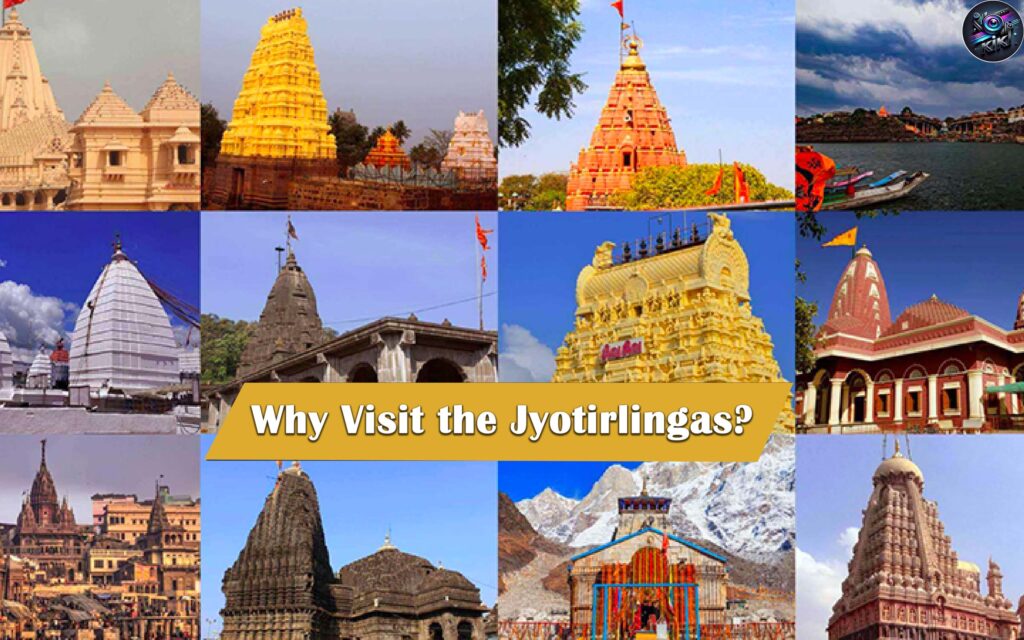
- Spiritual growth: Each Jyotirlinga has a unique energy that aids meditation and inner peace.
- Fulfillment of wishes: Devotees believe prayers offered here manifest desires.
- Cultural experience: The temples reflect India’s architectural brilliance and spiritual heritage.
Tips for Pilgrimage
- Plan your route: Many Jyotirlingas are located in remote areas; plan transportation and accommodation in advance.
- Respect local customs: Follow temple rules and dress modestly.
- Timing: Early morning visits are considered highly auspicious.
- Combine trips: Some Jyotirlingas are located close to each other, like Bhimashankar, Trimbakeshwar, and Grishneshwar in Maharashtra.
Conclusion

The 12 Jyotirlingas of India are not just temples; they are spiritual experiences connecting devotees to Lord Shiva. Whether you are a devotee seeking blessings or a traveler exploring India’s spiritual heritage, visiting these sacred abodes offers a transformative journey of faith, devotion, and inner peace.
Embark on this divine pilgrimage and experience the light of Jyotirlinga illuminating your life.