A Complete 5000+ Word Detailed Travel Guide
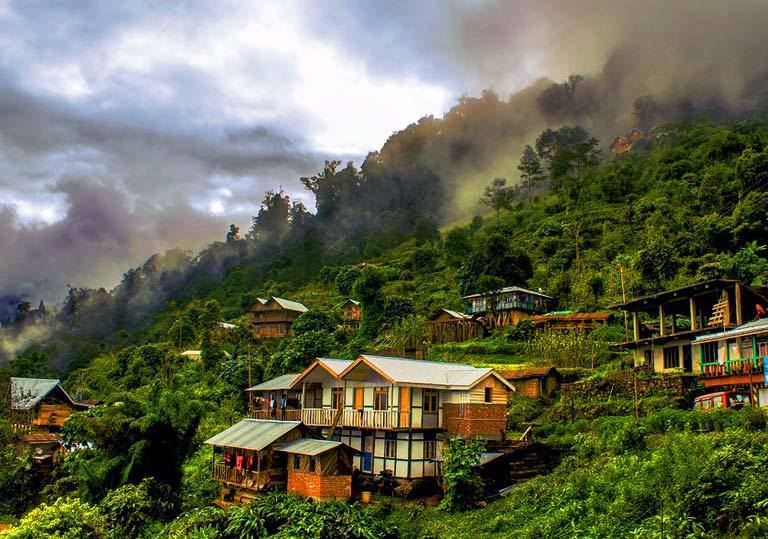
Hidden quietly in the eastern Himalayas of West Bengal, Kalimpong is not just another hill station — it is an emotion. While most travelers rush toward the popular lanes of Darjeeling or the energetic capital of Gangtok, Kalimpong stands calmly between them, wrapped in mist, monasteries, orchids, colonial history, and slow mountain life.
If you are someone who loves peaceful mornings, quiet roads, spiritual corners, and old-world charm — Kalimpong might just become your favorite Himalayan destination.
This detailed blog will cover:
- History of Kalimpong
- How to reach
- Best time to visit
- Complete sightseeing guide
- Monasteries & viewpoints
- Food & cafes
- Local markets
- Hidden gems
- Offbeat experiences
- Suggested itineraries
- Budget planning
- Travel tips
Let’s begin the journey.
Where Exactly is Kalimpong?
Kalimpong is located in the foothills of the eastern Himalayas at an altitude of approximately 1,250 meters (4,100 feet). It lies between the Teesta River valley and the mountains that connect West Bengal to Sikkim.
Distance from major entry points:
70 km from Siliguri
72 km from New Jalpaiguri Railway Station (NJP)
75 km from Bagdogra Airport
65 km from Darjeeling
75 km from Gangtok
The road journey from NJP or Bagdogra to Kalimpong is one of the most scenic drives in North Bengal. You will travel alongside the Teesta River, crossing small bridges and lush green hills.
The drive takes around 2.5 to 3 hours depending on traffic and weather.
A Brief History of Kalimpong
Kalimpong has a fascinating past. Historically, it was ruled by the Kingdom of Sikkim, later annexed by Bhutan, and eventually became part of British India after the Anglo-Bhutan War in 1865.
During the British period, Kalimpong became an important trade route between India and Tibet. Traders used to pass through the Jelep La Pass to carry wool, salt, and other goods.
Christian missionaries also established schools here, which is why Kalimpong still has many reputed missionary institutions and colonial buildings.
The Tibetan refugee community that settled here after 1959 added to the cultural richness of the town. This blend of Lepcha, Nepali, Tibetan, Bhutanese, and British influences makes Kalimpong culturally unique.
Why Choose Kalimpong Over Other Hill Stations?
While Darjeeling is famous for tea gardens and toy trains, and Gangtok for its lively MG Marg and organized tourism, Kalimpong offers something different:
- Less crowded
- Slower lifestyle
- Authentic local culture
- Peaceful monasteries
- Colonial architecture
- Unique flower nurseries
Kalimpong feels more personal. It doesn’t try too hard to impress — it simply exists beautifully.
Best Time to Visit Kalimpong
Spring (March – May)
- Pleasant weather
- Clear mountain views
- Flowers blooming
- Ideal for sightseeing
Summer (May – June)
- Cool and comfortable
- Popular with families
Monsoon (July – September)
- Extremely green and dramatic
- Frequent rain
- Possible landslides
Autumn & Winter (October – February)
- Clear skies
- Stunning sunrise views
- Cold but beautiful
- October to December is considered the best time for photography.
Top Tourist Attractions in Kalimpong
1. Deolo Hill
- Deolo Hill
- The highest point in Kalimpong at 1,704 meters.
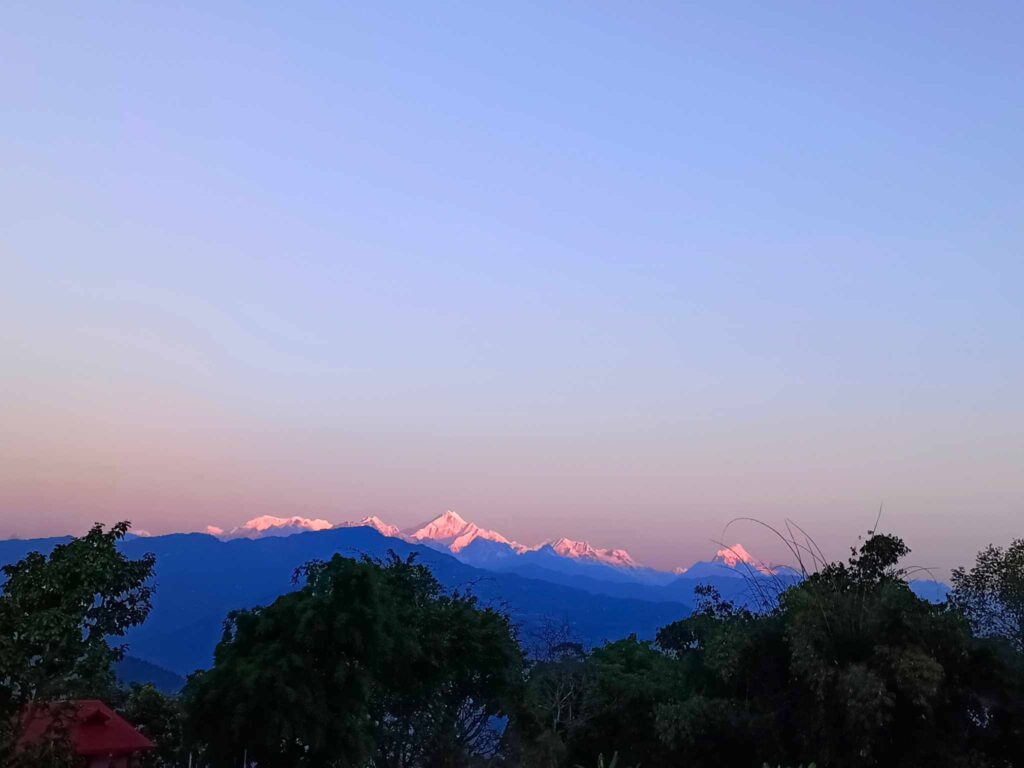
From here you get panoramic views of:
- The Teesta Valley
- Kalimpong town
- Snow-capped Himalayan peaks (on clear days)
There is a landscaped garden maintained by the tourism department. Adventure lovers can try paragliding here.
Sunrise from Deolo Hill is breathtaking.
2. Zang Dhok Palri Phodang Monastery
- Zang Dhok Palri Phodang Monastery
- Located near Deolo Hill, this monastery was consecrated by the Dalai Lama in 1976.
- It houses rare Tibetan scriptures and offers peaceful meditation space.
- The prayer flags, golden interiors, and serene environment make it spiritually uplifting.
3. Durpin Dara Hill
Durpin Dara Hill
Another scenic viewpoint offering mesmerizing views of:
- Teesta River
- Jelep La Pass route
- Surrounding valleys
Located here is:
Durpin Monastery
Also known as Zang Dhok Palri Phodang (Durpin), it is one of the most significant Buddhist monasteries in the region.
4. Cactus & Orchid Nurseries
Kalimpong is famous worldwide for orchid cultivation.
Many private nurseries grow rare species of:
- Orchids
- Cactus
- Succulents
Visiting one is a colorful experience. The patterns and shapes are extraordinary.
5. MacFarlane Memorial Church
MacFarlane Memorial Church
Built in 1891 by Scottish missionaries, this church stands as a reminder of colonial heritage.
The Gothic architecture and peaceful surroundings make it worth visiting.
6. Teesta River & Rafting
Teesta River
The Teesta River flows below Kalimpong. Adventure lovers can try river rafting here (seasonal).
Even if you don’t raft, stopping by the riverbank for photos is refreshing.
7. Morgan House
Morgan House
A British-era bungalow turned heritage hotel.
Many say it is haunted, which adds mystery to its charm.
Even if you don’t stay here, visiting for photography is worth it.
Hidden Gems in Kalimpong
- Lepcha Museum
- Pine View Nursery
- Crockety House
Tharpa Choling Monastery - Pedong (nearby offbeat village)
These places show the authentic, non-touristy side of Kalimpong.
Food Guide – What to Eat in Kalimpong
The cuisine is influenced by Nepali and Tibetan flavors.
Must-try dishes:
- Steamed Momos
- Thukpa
- Phaley
- Gundruk soup
- Sel Roti
- Wai Wai noodles
- Local bakeries serve fresh bread and cakes.
- Small cafes offer mountain views with hot coffee.
Shopping in Kalimpong
Buy:
- Handmade woolens
- Buddhist artifacts
- Prayer flags
- Local cheese
- Pickles
- Unlike Darjeeling, shopping here feels relaxed.
Suggested 3-Day Itinerary
Day 1:
- Arrive
- Local market walk
- Sunset at Durpin Dara
Day 2:
- Sunrise at Deolo Hill
- Zang Dhok Monastery
- Cactus nursery visit
- Morgan House
Day 3:
- Teesta River visit
- Lepcha Museum
- Return journey
Budget Guide
Approximate cost per person (3 days):
- Stay: ₹1,200 – ₹4,000 per night
- Food: ₹800 – ₹1,200 per day
- Local sightseeing cab: ₹2,000 – ₹3,000 per day
- NJP to Kalimpong taxi: ₹3,000 – ₹4,500
- Budget trip possible under ₹10,000 – ₹15,000 for 3 days (excluding flights/train).
Where to Stay
Options:
- Budget homestays
- Boutique hotels
- Heritage stays
- Luxury resorts
- Homestays are recommended for authentic experience.
Combine Kalimpong With
- Darjeeling
- Gangtok
- Sikkim
- Lava & Lolegaon
- Perfect for 6N/7D trip.
Photography in Kalimpong
Best photography spots:
- Deolo Hill sunrise
- Durpin Dara sunset
- Monastery interiors
- Colonial houses
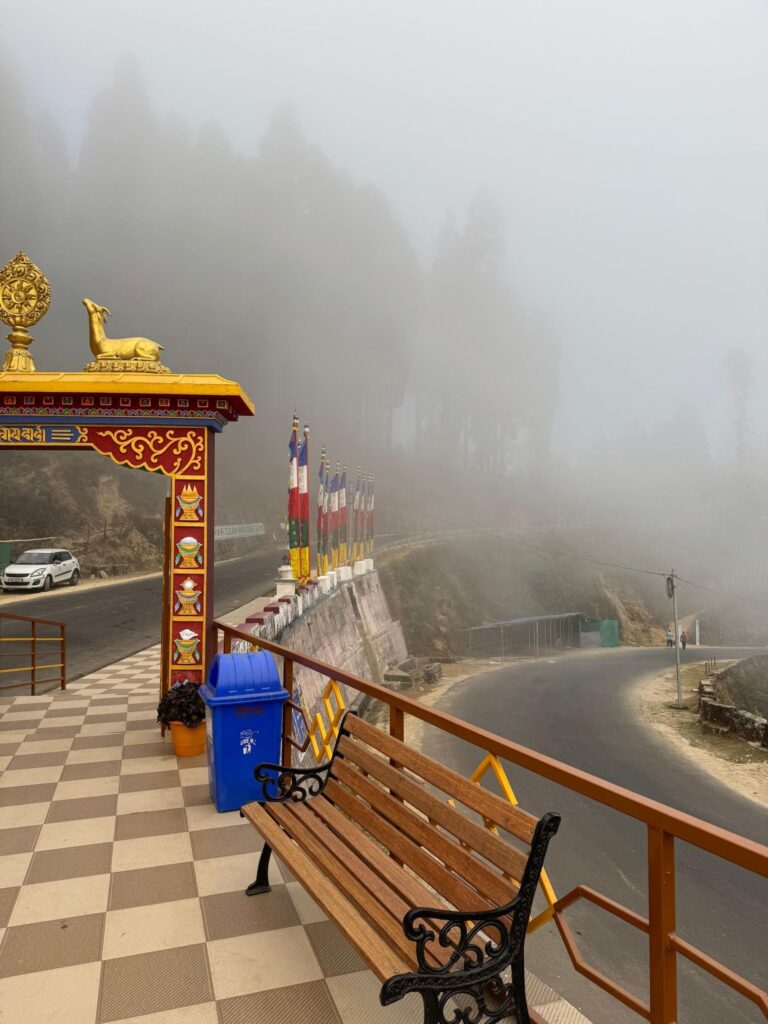
- Misty roads
- Golden hour light in Kalimpong is magical.
Final Thoughts – Why Kalimpong Stays With You
It doesn’t have crowded mall roads or loud tourist markets.
What it has is:
- Silence
- Spiritual calm
- Old architecture
- Mountain air
- Slow mornings
It is a place where you sit with chai and watch clouds move across valleys.
A place where monastery bells echo softly.
A place that teaches you to slow down.
If you truly want to feel the Himalayas — not just see them — Kalimpong is where you go.