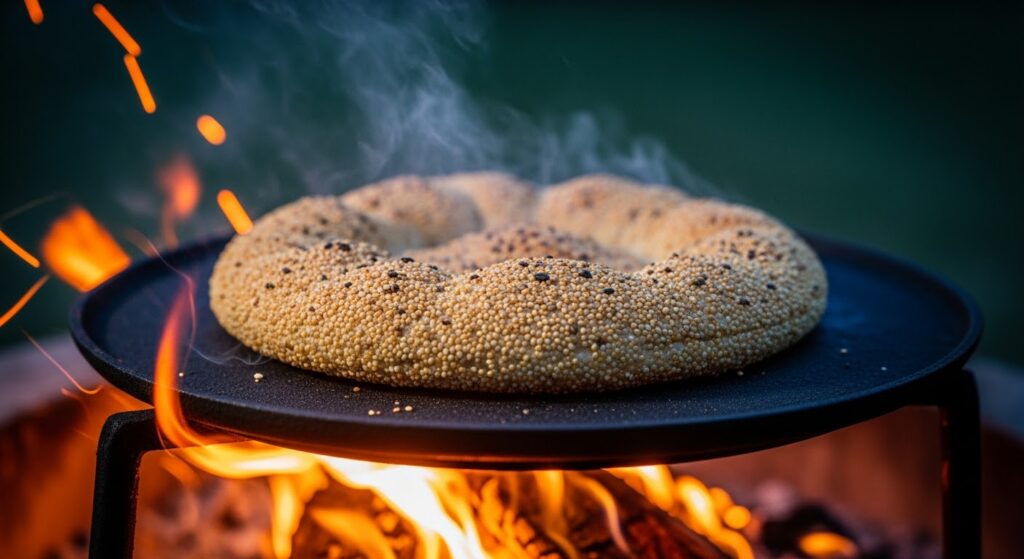
“The smell of damp earth meets the smoky aroma of a wood-fired hearth deep in the Sahyadri foothills. Here, in these remote tribal hamlets, the monsoon isn’t just a season—it’s a feast of ancient survival. Discover the secret Sawan recipes of Varai and Nagli that have nourished generations.”*
Every monsoon, the Sahyadri Mountains transform into a living canvas of emerald forests, cascading waterfalls, and clouds that drift lazily across mist-covered peaks. While thousands of travelers flock to Igatpuri for scenic viewpoints and rain-soaked landscapes, few venture beyond the highways into the remote tribal hamlets tucked deep within these ancient hills.
Hidden among terraced farms and dense forests lies a culinary tradition that has quietly sustained indigenous communities for centuries.
There are no luxury restaurants here.
- No elaborate buffets.
- No modern kitchens.
Only humble mud homes, wood-fired chulhas, freshly harvested millets, and recipes passed from one generation to the next through memory, rhythm, and lived experience.
During the holy month of **Sawan**, these villages celebrate the season not only with devotion but also through nourishing meals prepared from indigenous grains that perfectly complement the monsoon climate.
This journey is more than discovering forgotten recipes.
It is about understanding how ancient food traditions continue to offer answers for modern health, sustainable agriculture, and climate resilience.
The Monsoon Invitation to the Sahyadris
As Sawan reaches its peak, the landscape surrounding Igatpuri becomes almost mythical.
Mountains disappear beneath thick blankets of mist.
Streams overflow into roaring waterfalls.
Rice fields shimmer beneath gentle rainfall.
The air carries the fragrance of wet soil, wild herbs, and freshly cut grass.
Unlike the hurried rhythm of city life, time slows dramatically in these villages.
Rain dictates the day’s work.
Cooking follows nature’s pace.
Meals become moments of gratitude rather than routine.
For generations, the indigenous communities of the Sahyadris have understood something modern nutrition is only beginning to appreciate—the body requires different foods during different seasons.
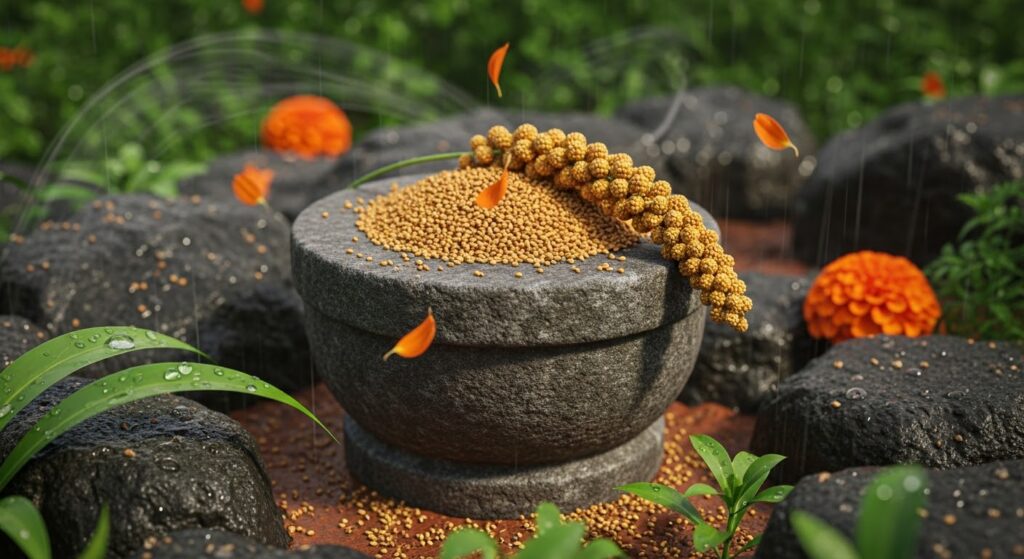
During Sawan, light yet nourishing millets such as **Varai (Barnyard Millet)** and **Nagli (Finger Millet/Ragi)** become central to everyday meals and traditional fasting diets.
The Nutritional Mystery Hidden in the Hills
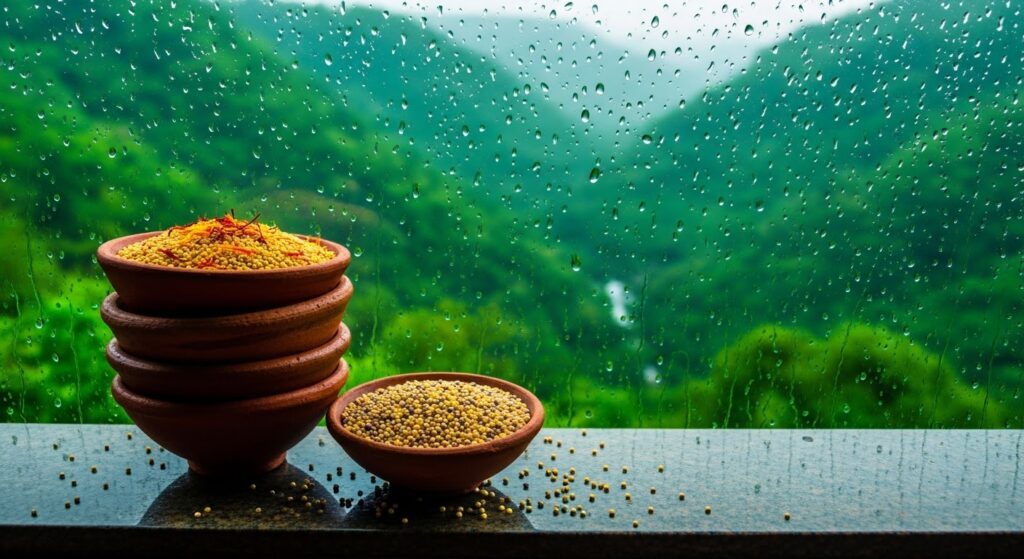
“What if the world’s most powerful superfoods are hidden in rain-soaked mud huts near Igatpuri?”
Long before the term *superfood* became fashionable, tribal communities relied on millets because they were practical, nutritious, and resilient.
Varai grows with relatively little water and matures quickly, making it ideal for uncertain monsoon conditions.
Nagli thrives on rugged mountain slopes where many other crops struggle.
Both grains are naturally rich in nutrients that support sustained energy during physically demanding agricultural work.
Their value was never measured through marketing campaigns.
It was measured by generations of lived experience.
Today, nutritionists praise millets for their fiber, minerals, and versatility, but these communities have quietly celebrated their benefits for centuries.
The Guardians of the Hearth
Every traditional kitchen has its storyteller.
In Igatpuri’s tribal hamlets, these storytellers are often the elder women of the household.
They preserve seed varieties, recipes, and seasonal knowledge with remarkable care.
- Before sunrise, they light the wood-fired **chulha**.
- Thin curls of fragrant smoke rise toward the thatched roof.
- Outside, rain taps rhythmically against bamboo walls.
- Inside, earthen pots begin to warm slowly over glowing embers.
- Nothing feels hurried.
- Cooking becomes meditation.
- Every handful of grain carries memories of previous harvests.
- Every recipe reflects generations of adaptation to mountain life.
The elders explain that the fertility of the land and the nourishment of the family are deeply connected. Respecting seasonal ingredients is not merely practical—it is part of their cultural and spiritual relationship with nature.
The Alchemy of Wood and Grain
Watching these meals come together is like witnessing edible history.
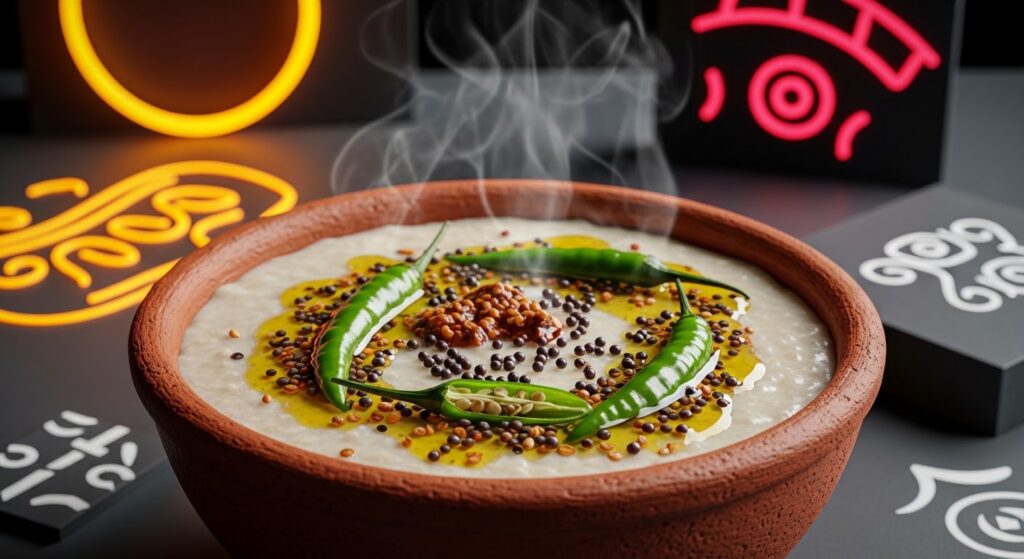
Freshly cleaned **Varai** is rinsed carefully before being simmered with seasonal vegetables, forest herbs, green chilies, cumin, peanuts, and gentle spices.
Some families even use fresh rainwater collected during the first clean showers of the season for cooking, believing it adds softness to the grains.
As the khichdi simmers, fragrant steam rises from blackened earthen pots.
The smoky aroma from the firewood slowly infuses every ingredient.
The result is comforting, nourishing, and deeply satisfying.
- No artificial flavors.
- No processed ingredients.
- Only grain, vegetables, herbs, and patience.
- Nearby, another family prepares **Nagli Bhakri**.
Freshly ground finger millet flour is mixed with warm water before skilled hands rhythmically pat the dough into perfectly round flatbreads.
There are no rolling pins.
No molds.
Only experience.
Each bhakri is gently placed on a hot clay or iron griddle before being finished directly over the flame.
The surface develops beautiful earthy char marks while the inside remains soft and moist.
Served alongside spicy chutneys, local vegetables, curd, or rustic lentils, the meal celebrates simplicity at its finest.
A Symphony of Smoke, Rain, and Earth
- Food here engages every sense.
- The fragrance of damp earth mingles with wood smoke.
- Fresh coriander and forest herbs add bright green aromas.
- Earthen pots bubble gently over glowing embers.
- Rain drums softly on tiled roofs.
- Children laugh outside while elders prepare the next meal.
- Unlike restaurant kitchens filled with machinery, every sound here belongs to nature.
- The crackle of burning firewood.
- The rhythmic patting of bhakri dough.
- The splash of rainwater into clay vessels.
- The gentle hiss of steam escaping from simmering millet.
- Together, they create a soundtrack that defines monsoon life in the Sahyadris.
The Spirit of Sawan
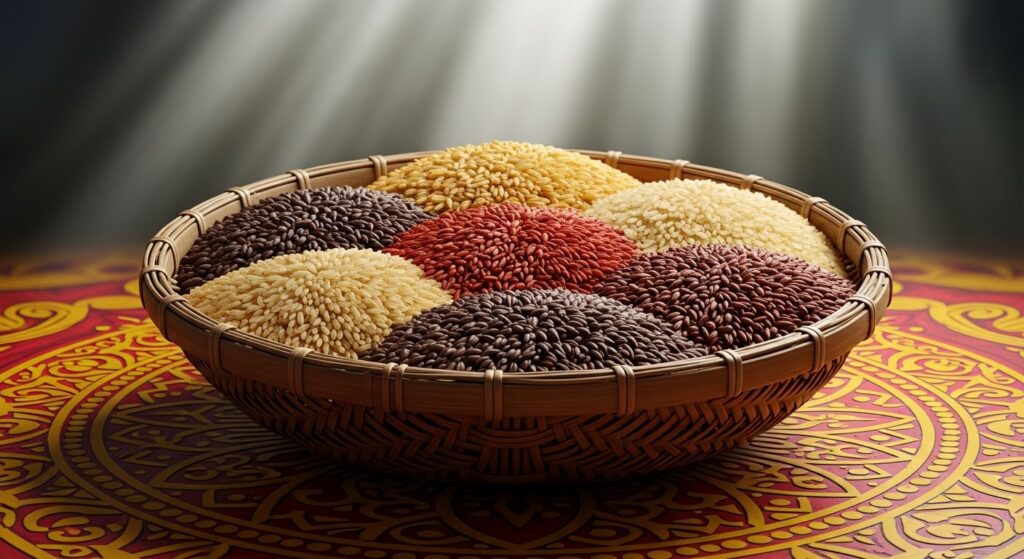
For many families, Sawan is a time of devotion, gratitude, and simplicity.
- Meals become lighter, seasonal, and closely aligned with traditional fasting practices.
- Millets fit naturally into this philosophy.
- They provide nourishment without excess.
- Strength without heaviness.
- Energy without waste.
Cooking itself becomes an act of gratitude toward the land that continues to sustain the community despite changing climates and uncertain harvests.
Sharing a Meal in the Hamlets
- No travel experience is complete until food is shared.
- Visitors are welcomed not with elaborate ceremonies but with genuine warmth.
- A woven mat is spread on the floor.
- Freshly prepared Varai Khichdi is served hot.
- Nagli Bhakris arrive directly from the fire.
- Local chutneys, curd, wild greens, and seasonal vegetables complete the meal.
- Conversation flows easily despite differences in language.
- Smiles become the common vocabulary.
- Every shared meal becomes an exchange of culture rather than commerce.
- Hospitality here is measured not by luxury but by generosity.
Preserving the Pulse of the Hamlets
These ancient food traditions now face new challenges.
Younger generations often migrate to nearby cities for education and employment.
Commercial farming increasingly replaces indigenous crops.
Traditional recipes risk disappearing as lifestyles change.
Yet hope remains.
Across Maharashtra, awareness of millets has grown significantly in recent years. Farmers, local communities, chefs, nutrition experts, and content creators are helping revive interest in climate-resilient grains like Varai and Nagli.
Supporting local farmers who continue cultivating these traditional crops helps preserve biodiversity, strengthens rural livelihoods, and keeps centuries-old agricultural wisdom alive.
Every packet of locally grown millet purchased directly from farming communities contributes to this living heritage.
Why Ancient Millets Matter Today
- Modern life often celebrates speed.
- Instant meals.
- Fast delivery.
- Processed convenience.
The kitchens of Igatpuri’s tribal villages remind us that nourishment cannot always be rushed.
- Slow cooking develops flavor.
- Seasonal eating supports balance.
- Traditional farming protects biodiversity.
- Community meals strengthen relationships.
These principles remain just as relevant today as they were hundreds of years ago.
The humble grains once dismissed as “poor man’s food” are now recognized as some of the world’s most sustainable and nutritious crops.
Perhaps the future of healthy eating has been quietly waiting in these mountains all along.
Bringing the Sahyadris into Your Kitchen
*”Escape the modern world and step into a rhythmic monsoon life where cooking is a sacred ritual. Witness the resilient culinary heritage of Igatpuri’s indigenous tribes as they simmer rustic grains over open flames. These aren’t just millet recipes—they are a timeless connection to the land during holy Sawan.”*
As the rain continues to fall across the Sahyadris, smoke still rises from traditional chulhas hidden inside remote hamlets.
Grandmothers continue shaping Nagli Bhakris exactly as their mothers once taught them.
Varai Khichdi continues to nourish families after long days in the fields.
These recipes are more than food.
They are stories of resilience.
They are lessons in sustainability.
They are reminders that true wellness often begins with respecting the seasons and the land beneath our feet.
The next time you prepare a simple bowl of millet, remember the mist-covered hills of Igatpuri, the warmth of a wood-fired kitchen, and the generations who quietly protected these traditions through centuries of change.
Sometimes, the greatest culinary treasures are not found in famous restaurants.
They are discovered where rain, mountains, and heritage come together around a humble earthen pot.