“Hidden behind the salt-aired corridors of Vasai lies a 500-year-old culinary secret that is slowly fading away. You’ve tasted fusion food, but you’ve never seen the rare blend of Konkani spices and Lusitanian tradition found in these private kitchens. Can we save the legendary Bottle Masala before it vanishes forever?”*
The western coast of Maharashtra has always been more than a shoreline. Long before modern Mumbai expanded into a sprawling metropolis, sailing vessels from distant kingdoms anchored along the shores of Vasai. Portuguese missionaries, traders, soldiers, and settlers arrived carrying more than weapons and religion—they brought unfamiliar spices, cooking techniques, vineyards, vinegar-making traditions, and recipes that would gradually merge with the indigenous Konkani way of life.
Five centuries later, this remarkable culinary heritage survives quietly in the villages of Vasai, Arnala, and nearby fishing settlements. Yet it remains one of India’s least documented food traditions.
This is not simply another food trail.
It is a race against time.
Every passing year, elderly home cooks—the true custodians of these recipes—take with them techniques that were never written down. Measurements exist only in memory. Cooking times are judged by sound. Spices are identified by aroma instead of labels.
Today, a handful of families continue preparing meals exactly as their grandparents did decades ago, preserving an Indo-Portuguese legacy that deserves far greater recognition.
Where Portuguese Stone Meets the Arabian Sea
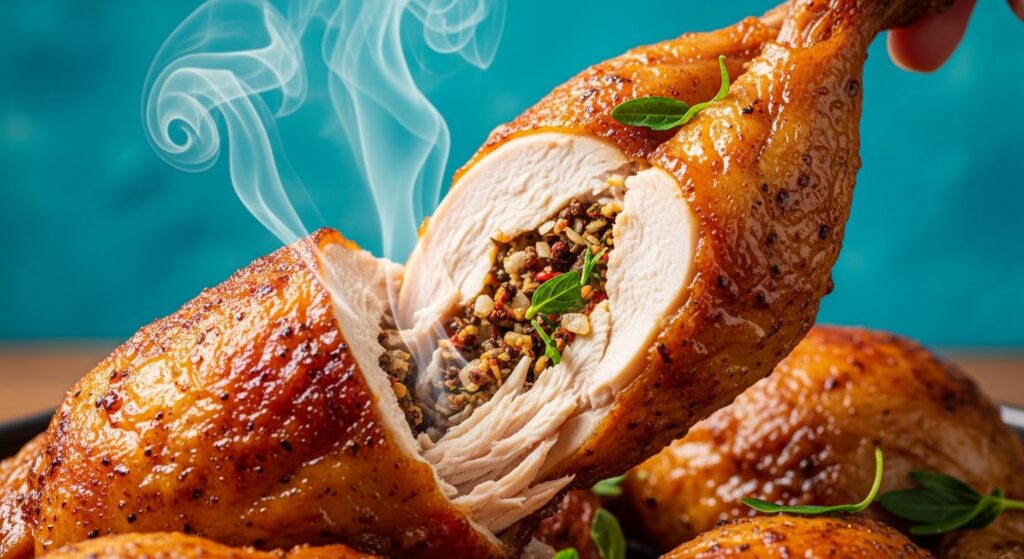
The first glimpse of Vasai feels like stepping into another century.
Ancient Portuguese churches stand beside coconut palms swaying in the Arabian Sea breeze. Weathered stone forts overlook black-sand beaches where fishing boats still return before sunrise. Moss-covered walls whisper stories of colonial battles while village lanes lead into peaceful East Indian settlements whose identities remain deeply rooted in history.
Unlike Goa, where Portuguese influence is visible in tourism, Vasai’s Indo-Portuguese heritage survives quietly within family homes.
The architecture tells one story.
The kitchens tell another.
Hidden behind colourful wooden doors and shaded verandas are recipes that have survived nearly five hundred years—not because they were preserved in books, but because generations of mothers patiently taught daughters and sons through observation, repetition, and instinct.
Among these culinary treasures, one ingredient stands above all others.
Bottle Masala.
The Urgent Mission to Preserve Bottle Masala
If there is one spice blend that defines the East Indian community, it is Bottle Masala.
- Not available in supermarkets.
- Not manufactured in factories.
- Not standardized.
- Every household prepares its own version.
- Some contain thirty spices.
- Others use thirty-five.
- Some families proudly claim forty carefully balanced ingredients.
- Each recipe is considered an heirloom.
- Many remain closely guarded family secrets.
What makes documenting Bottle Masala especially urgent is the reality that its preparation depends almost entirely on elderly members of the community. Most measurements are never recorded. Instead of teaspoons, recipes rely on memory, touch, colour, fragrance, and years of experience.
When these guardians disappear without passing on their knowledge, entire culinary traditions risk disappearing with them.
That is why documenting Bottle Masala today has become more than a food project.
It has become cultural preservation.
The Alchemy of Bottle Masala
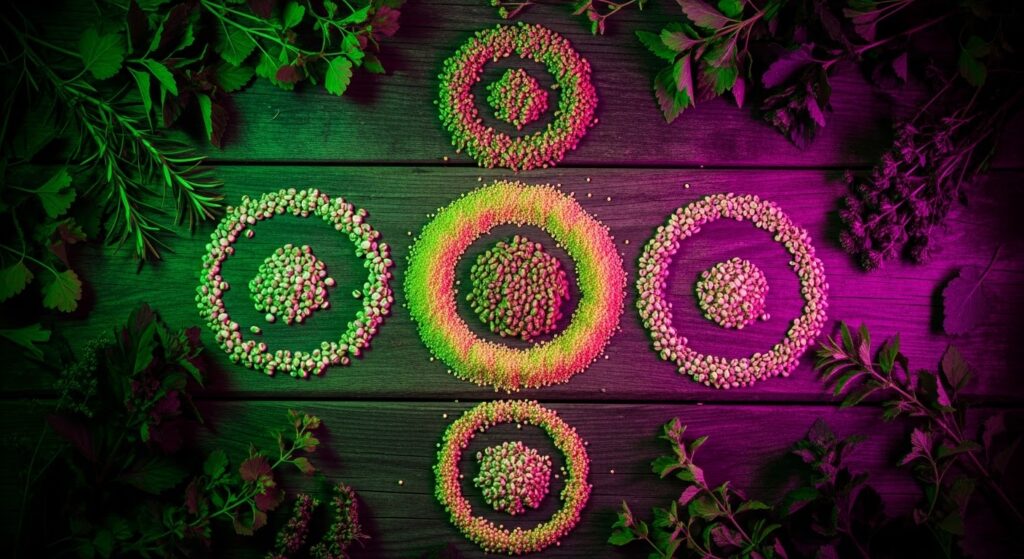
Preparing Bottle Masala resembles an elaborate ritual rather than a recipe.
Weeks before grinding begins, families purchase fresh whole spices from trusted markets.
Red chilies dry beneath the coastal sun.
Turmeric roots are carefully cleaned.
Coriander seeds, cumin, fennel, cinnamon, cloves, mustard seeds, black pepper, poppy seeds, star anise, cardamom, bay leaves, nutmeg, mace, sesame, and dozens of additional spices are sorted individually.
Every spice demands its own roasting time.
Too little roasting leaves moisture.
Too much destroys essential oils.
After cooling, each ingredient is hand-pounded or traditionally ground before finally being combined into one remarkably fragrant masala.
The resulting aroma is unlike anything found in commercial spice blends.
First comes earthy warmth.
Then smoky sweetness.
Moments later arrive floral hints inherited from Portuguese culinary traditions, layered over the bold, peppery heat of the Konkan coast.
The experience feels almost architectural—each spice revealing itself in carefully balanced stages.
From Ancient Spice Routes to Vintage Beer Bottles
One of the most fascinating discoveries inside East Indian homes is how Bottle Masala is stored.
Rather than modern plastic containers, many families continue sealing their precious spice blend inside old glass beer bottles collected over decades.
The narrow neck helps reduce exposure to moisture.
Glass preserves aroma better than many plastics.
Each bottle may contain enough masala for an entire year of cooking.
Some households prepare fresh batches only once annually.
Others gather extended family members for collective spice-making sessions that become social celebrations as much as culinary work.
Watching an elderly grandmother carefully funnel freshly ground masala into vintage bottles offers a glimpse into traditions untouched by modern convenience.
Every bottle represents hundreds of years of accumulated wisdom.
Sanctuary of the Private Kitchen
The true magic of Vasai and Arnala begins only after entering family kitchens.
- There are no restaurant theatrics.
- No commercial presentations.
- Only honestcooking.
- Clay floors.
- Open windows.
- Heavy brass utensils.
- Wooden cupboards darkened by decades of cooking smoke.
- And recipes prepared exactly as previous generations intended.
- These kitchens function like living museums where history is still edible.
The Perfect Rise of Fugia
Among the most beloved East Indian breads is Fugia.
Simple ingredients transform into extraordinary texture through patience and technique.
Flour, yeast, sugar, coconut milk, eggs, and gentle kneading create soft dough that rests until perfectly aerated.
Small portions are carefully shaped before entering hot oil.
Within seconds, they inflate into beautiful golden balloons.
- Crisp outside.
- Cloud-soft inside.
Watching experienced hands prepare Fugias reveals remarkable precision.
Tiny adjustments in dough consistency determine whether each bread rises perfectly or remains flat.
No measuring cups.
Only instinct developed over decades.
The Science Behind Authentic Pork Vindaloo
Few dishes are more misunderstood than Vindaloo.
Modern restaurant versions often focus exclusively on extreme heat.
Traditional East Indian Pork Vindaloo is remarkably more balanced.
The defining ingredient is palm vinegar.
Its natural acidity tenderizes the meat while creating the distinctive flavour that separates authentic preparations from commercial imitations.
- Bottle Masala provides complexity.
- Fresh garlic.
- Ginger.
- Onions.
Slow cooking over gentle heat.
Hours pass before the pork reaches ideal tenderness.
- Nothing is rushed.
- No shortcuts exist.
The bubbling terracotta pot quietly develops flavours impossible to reproduce through high-heat cooking.
The final curry carries deep richness, bright acidity, aromatic spices, and lingering warmth instead of overwhelming chilli heat.
Recipes Passed Through Conversation
Perhaps the most beautiful moments occur not during cooking—but during conversation.
- One generation explains.
Another questions.
- A daughter folds a traditional crepe one way.
- Her mother gently corrects her.
- “No, the edge should be thinner.”
- “But everyone makes it differently now.”
- “Maybe today. Not in this house.”
These exchanges reveal something extraordinary.
Recipes are never static.
Every family believes its own version is authentic.
Every generation negotiates between preservation and adaptation.
The kitchen becomes both classroom and archive.
Legacy in a Changing Landscape
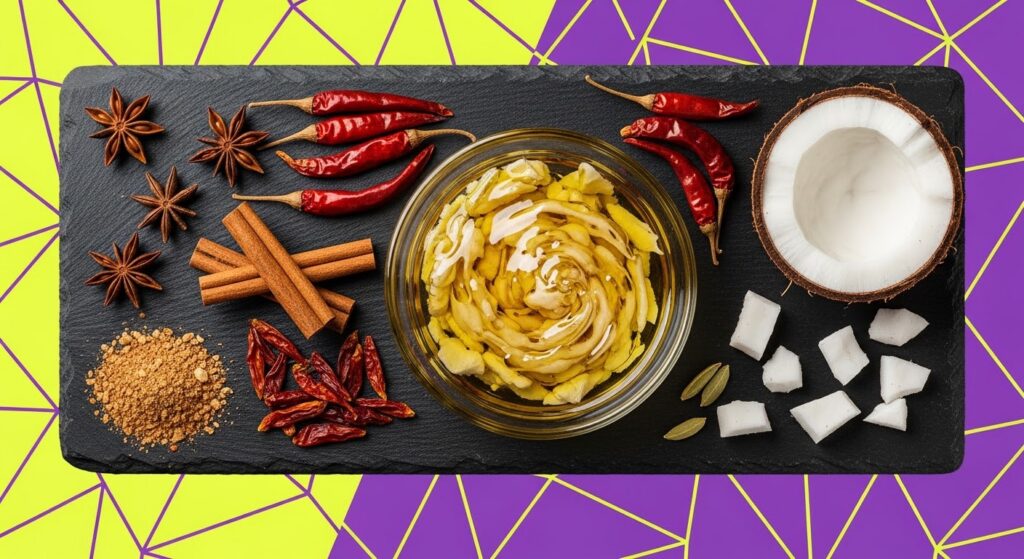
While traditions face unprecedented challenges, hope is emerging from younger generations.
Across Vasai and Arnala, students, photographers, filmmakers, and digital creators have begun documenting recipes through social media, video archives, podcasts, and community storytelling initiatives.
In 2026, local youth increasingly recognized that preserving culinary heritage requires more than memory—it requires digital documentation.
Old handwritten notebooks are being scanned.
Family recipes are being filmed.
Grandparents are being interviewed before their knowledge disappears.
For perhaps the first time, centuries-old traditions are finding new audiences online.
The internet, often blamed for cultural change, may also become its greatest preservation tool.
Where the Sea Still Decides Dinner
Life in Arnala’s fishing villages continues to follow rhythms older than calendars.
- Fishing boats depart before dawn.
- Markets awaken with the day’s catch.
- Menus depend on tides rather than trends.
- Weather determines ingredients.
The sea still writes today’s recipe.
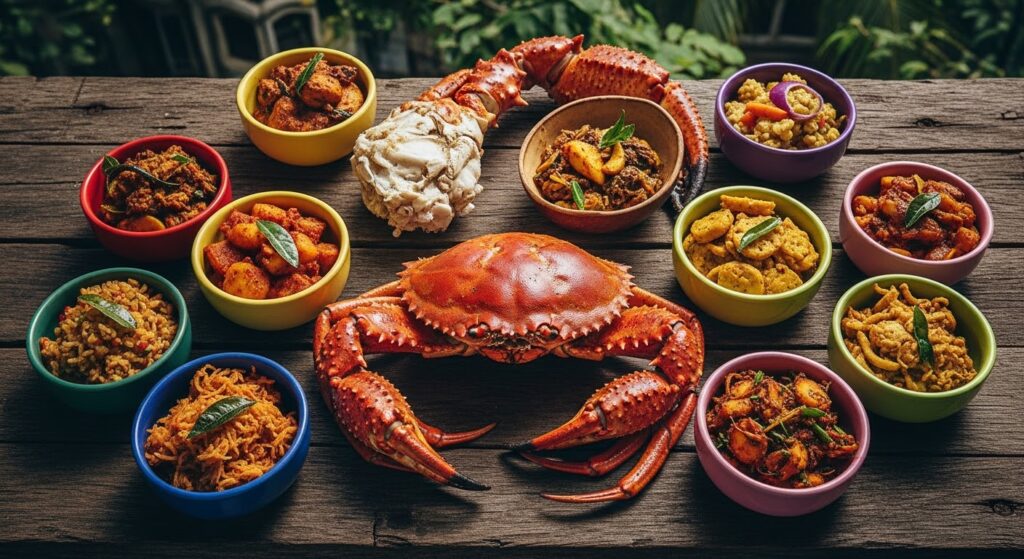
- Fresh pomfret.
- Bombil.
- Prawns.
- Crabs.
- Mackerel.
Every meal reflects the Arabian Sea’s generosity.
Despite smartphones, highways, and expanding suburbs, these villages preserve a relationship with food rooted entirely in seasonality.
Nothing illustrates sustainable living more beautifully.
Why This Heritage Matters
The story of East Indian cuisine is not merely about recipes.
It represents resilience.
- Migration.
- Adaptation.
- Faith.
- Trade.
- Family.
- Memory.
Food tells us who we were long before history books do.
When an elderly grandmother prepares Bottle Masala exactly as her ancestors once did, she preserves far more than flavour.
She preserves identity.
Every forgotten recipe leaves behind a cultural silence.
Every documented kitchen becomes an act of conservation.
Before the Aroma Fades
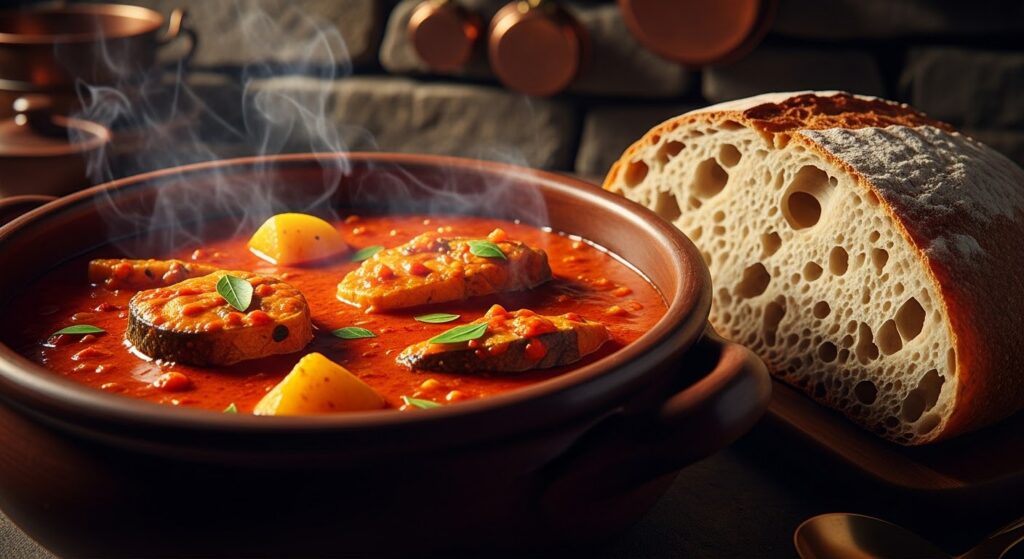
*”Listen to the sizzle of Pork Vindaloo prepared exactly as it was centuries ago, deep within the hidden reaches of Arnala. Watch Fugias rise in kitchens that time almost forgot. This is more than a recipe—it is a sensory journey through a disappearing Indo-Portuguese legacy.”*
Across the world, communities are rediscovering traditional food as an essential part of cultural identity.
The East Indian villages of Vasai and Arnala remind us that extraordinary heritage often survives not inside museums, but around ordinary dining tables.
The challenge is simple.
Will we document these traditions before they vanish?
Or will future generations know Bottle Masala only as a name in forgotten family stories?
As you leave Vasai’s sun-bleached coastline, the scent of roasted spices lingers long after the sea breeze fades. It becomes a reminder that every region has culinary memories worth protecting.
Whether it is an old pickle recipe from your grandmother, a festive sweet prepared only once a year, or a spice blend unique to your hometown, these traditions deserve to be recorded before time quietly carries them away.
Because recipes are more than instructions.
They are history you can taste.
And once they disappear, no amount of searching can truly bring them back.