Mumbai is often defined by its towering skyline, crowded streets, and relentless pace of life. Yet, less than two hours from the city’s financial districts lies an entirely different world—one shaped not by concrete and glass, but by volcanic basalt cliffs, crashing Arabian Sea waves, and centuries-old Portuguese ruins slowly surrendering to nature. Along the rugged coastline of Vasai, history survives in fragments. Ancient stone walls stand precariously above the sea, hidden arches emerge from dense coastal vegetation, and forgotten watchtowers overlook waters that once carried some of the world’s most valuable spice ships.
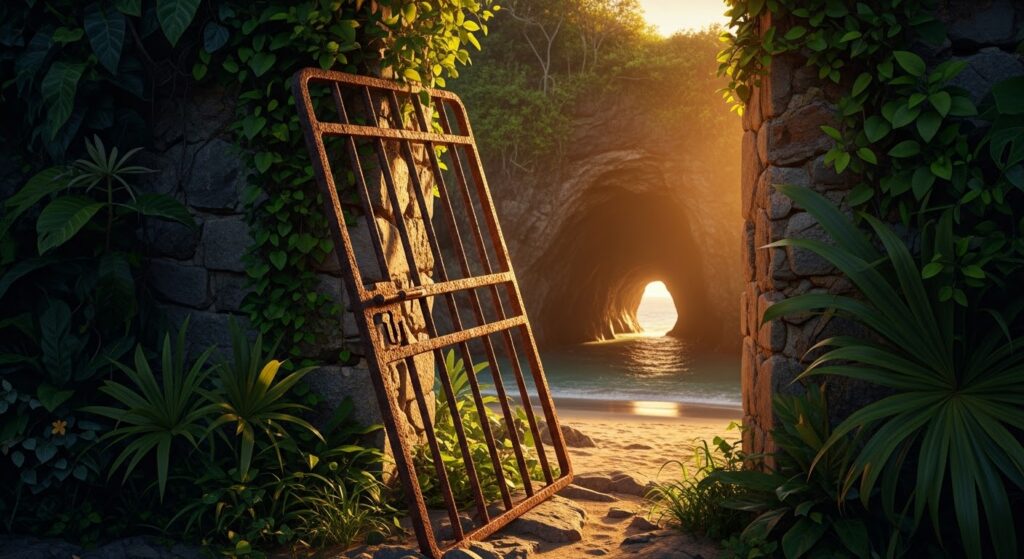
This coastline is rapidly changing. Every monsoon season accelerates coastal erosion as powerful tides pound the basalt cliffs beneath these historic structures. Cracks widen, foundations weaken, and sections of the shoreline disappear into the sea. Documenting these forgotten landmarks has become increasingly important, preserving their stories before nature eventually claims them forever. The journey begins with a narrow trail cutting through salt-resistant shrubs, where the first weathered stone archway suddenly appears—a silent reminder of a maritime empire that once ruled these waters.
Echoes of the Portuguese Outposts
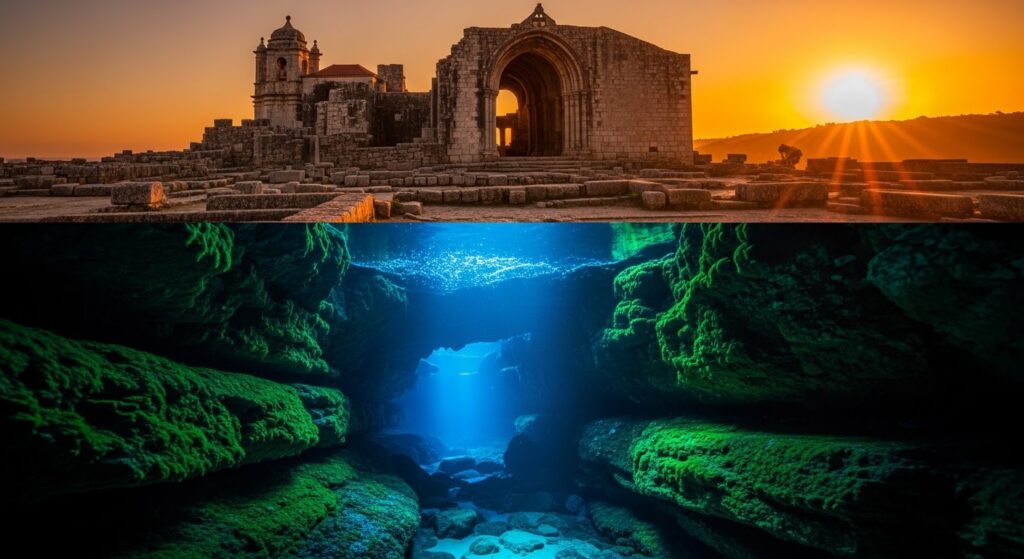
During the sixteenth century, Vasai was among Portugal’s most important colonial settlements in Asia. Its strategic location allowed control over shipping routes connecting Gujarat, Goa, and the wider Indian Ocean trade network. Beyond the famous Vasai Fort stood smaller coastal outposts and watchtowers positioned along elevated cliffs. These structures formed an early warning system, allowing guards to monitor approaching vessels long before they reached the harbor.
Today, only fragments remain. Jagged walls rise from rocky headlands, their once-perfect masonry scarred by centuries of salt spray and tropical weather. Despite constant exposure to harsh coastal conditions, much of the original stonework continues to stand remarkably intact. Thick basalt blocks, bonded with traditional lime mortar, demonstrate the exceptional engineering skills of Portuguese military architects.
Walking among these ruins offers a fascinating glimpse into colonial defensive strategy. Elevated positions provide commanding views across the Arabian Sea, revealing exactly why these locations were chosen. Yet the landscape below tells another story. The shoreline has fractured dramatically over time, and sections of cliff beneath these historic structures continue to erode with every passing season.
Entering the Labyrinth of Sea Caves
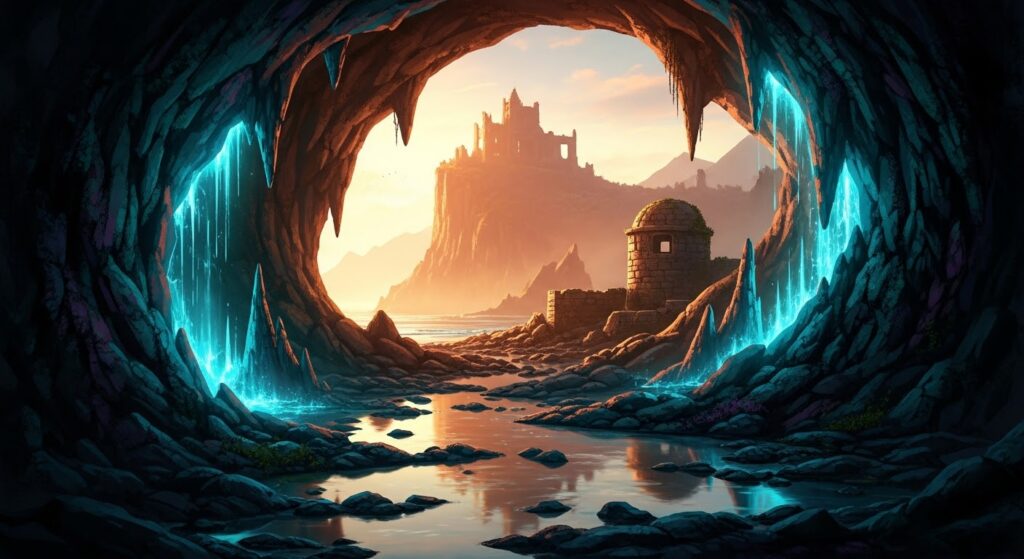
Descending toward the waterline transforms the experience completely. Here, the Arabian Sea has spent thousands of years carving enormous sea caves into the volcanic basalt cliffs. These natural corridors twist deep into the rock, creating hidden chambers accessible only during low tide.
Inside the caves, the atmosphere changes instantly. Sunlight filters through narrow openings, illuminating smooth stone walls sculpted by relentless wave action. Every incoming wave produces powerful echoes that reverberate throughout the caverns, creating an eerie acoustic environment unlike anywhere else along the coast.
The geological formations reveal nature’s extraordinary patience. Layers of basalt, formed millions of years ago during volcanic eruptions, display intricate patterns where softer sections have gradually worn away while harder rock continues resisting erosion. Narrow passages require careful scrambling over uneven surfaces, rewarding explorers with dramatic openings where the ocean bursts through natural arches.
These caves also expose a sobering reality. Beneath several Portuguese structures, the sea has hollowed out significant portions of the cliff. What appears stable from above often conceals extensive erosion below, demonstrating how the foundations supporting centuries of history are slowly being undermined by natural forces.
Life Along the Coastal Fringe
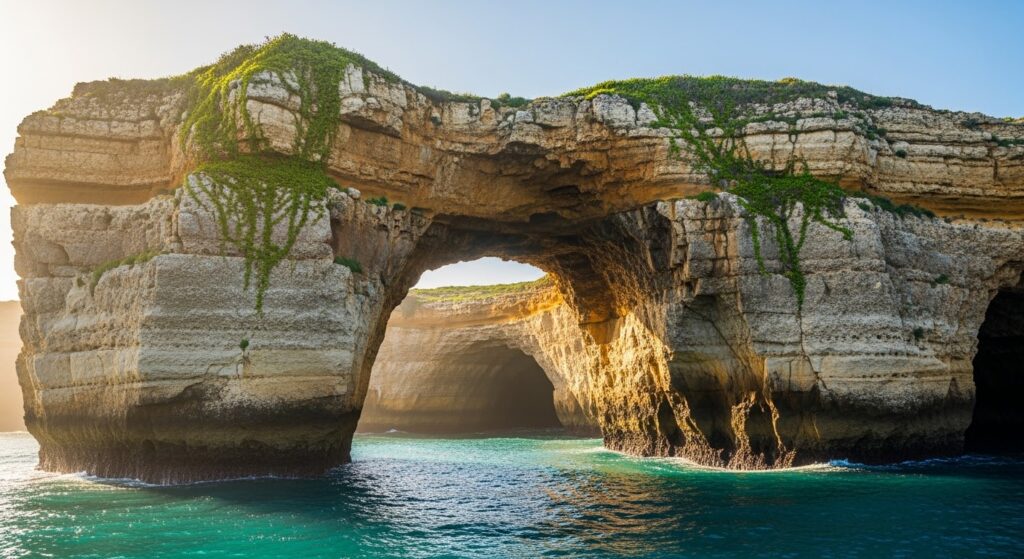
Although the terrain appears harsh and lifeless at first glance, the basalt coastline supports a surprisingly resilient ecosystem. Salt-tolerant grasses cling to narrow cracks, while hardy shrubs flourish where only thin layers of soil exist. During the monsoon months, vibrant green vegetation briefly transforms the otherwise rugged landscape.
Birdlife thrives along these cliffs. Egrets, kingfishers, cormorants, and various seabirds patrol the shoreline, feeding in tidal pools rich with marine life. Crabs occupy rocky crevices, mollusks attach themselves firmly to wave-battered surfaces, and small fish dart between submerged rocks exposed during low tide.
Despite its proximity to Mumbai, this isolated stretch of coastline remains remarkably undisturbed. Difficult access has protected both its natural habitats and archaeological remains from heavy tourism. Walking farther along the cliffs reveals increasingly remote sections where human history and natural processes collide most dramatically. Ancient stone walls stand only metres away from aggressively expanding sea caves, illustrating an ongoing struggle between human construction and geological evolution.
The Vanishing Shoreline Legacy
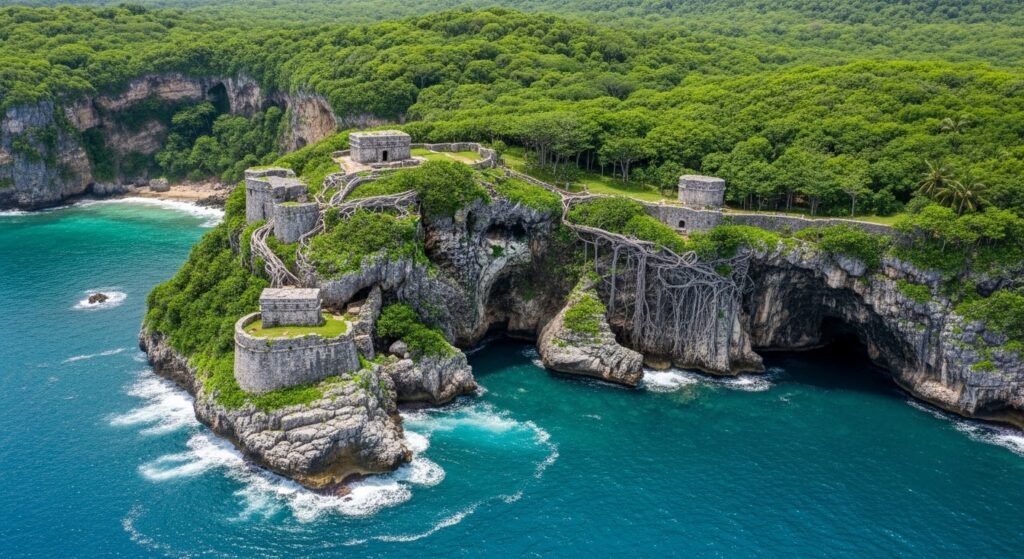
As evening approaches, the Arabian Sea reflects golden light across the rugged coastline. The ruins, softened by centuries of weathering, take on an almost timeless appearance. What once served as strategic military infrastructure now exists as quiet monuments to a forgotten era of maritime exploration and colonial ambition.
Their beauty lies not in perfection, but in gradual transformation. Nature has become both destroyer and sculptor, reshaping walls, arches, and cliffs into landscapes that tell stories impossible to preserve through architecture alone.
Digital documentation has therefore become increasingly valuable. High-resolution photography, drone mapping, videography, and historical research ensure these remarkable sites remain accessible even if future erosion claims significant portions of the coastline. Preserving their memory allows future generations to understand not only the history of Portuguese India but also the powerful natural forces continually reshaping India’s western shoreline.
For explorers, photographers, history enthusiasts, and geology lovers alike, Vasai’s hidden coastal ruins offer an unforgettable experience. They remind us that some of the most extraordinary places exist just beyond the familiar urban landscape, waiting patiently for those willing to venture off the beaten path. As the sun disappears beneath the Arabian Sea, the silhouettes of ancient stone arches stand against the fading sky—a final cinematic reminder that history is never truly lost until we stop looking for it.
Final Thoughts
The forgotten coastline of Vasai is more than a trekking destination. It is an open-air museum where colonial history, volcanic geology, marine ecosystems, and relentless coastal erosion coexist within a few kilometres. Every season changes its appearance, every tide reshapes its boundaries, and every visit captures a landscape that may never look exactly the same again. Exploring these hidden ruins is not simply about discovering the past—it is about witnessing history in the very process of disappearing.