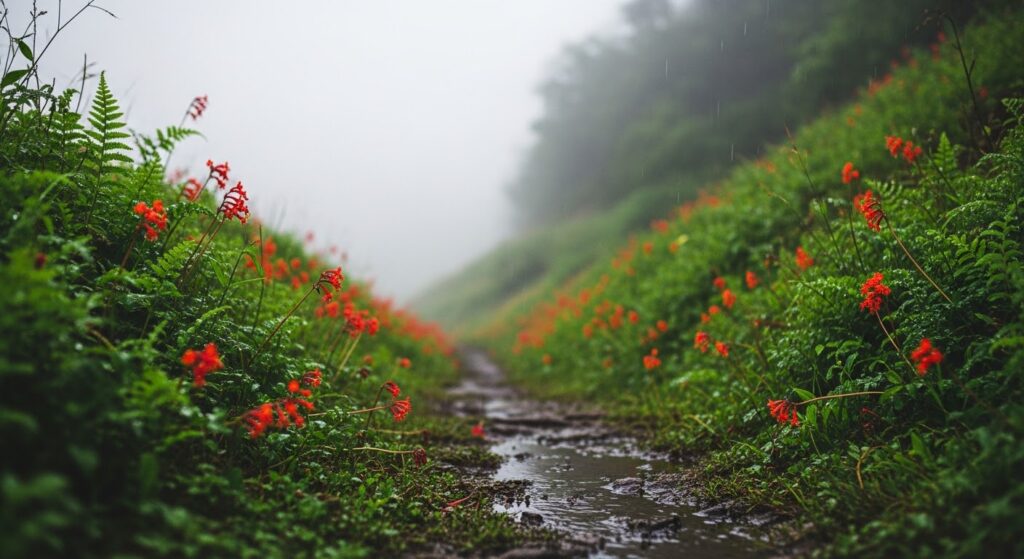
Lonavala experiences one of the longest and most dynamic monsoon seasons in the Western Ghats, but every phase offers a completely different adventure. Many travelers assume that July, August, and September provide the same experience. In reality, the landscape transforms dramatically every few weeks. Massive waterfalls, muddy valleys, dense fog, hidden ridge walks, and blooming plateaus each have their own perfect time. Understanding this seasonal calendar allows you to plan a trip based on your preferred experience rather than simply checking the weather forecast.
July Peaks and the Power of Sahyadri Waterfalls
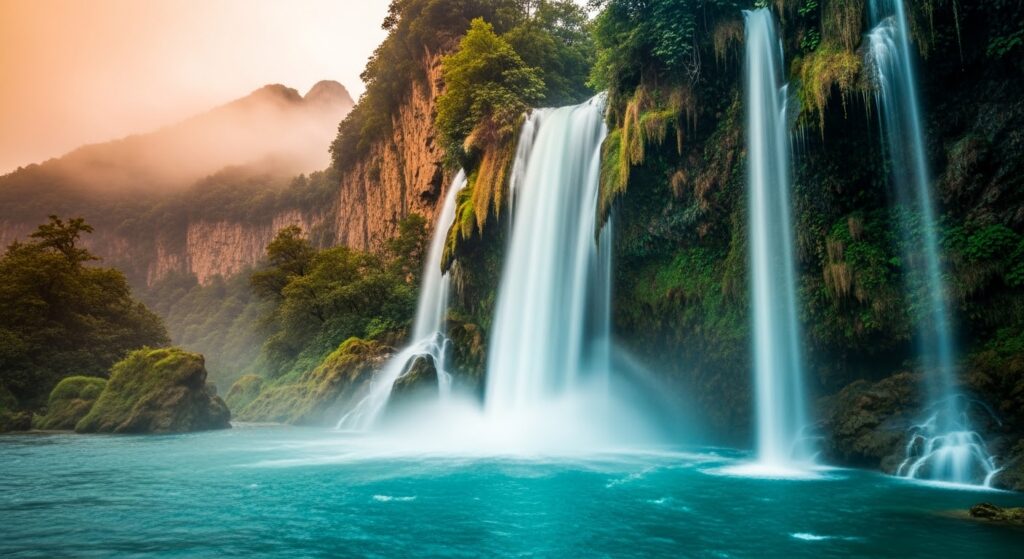
The first half of the monsoon belongs to the waterfalls. Heavy rainfall throughout June and July saturates the Sahyadri mountains, feeding hundreds of seasonal streams that suddenly become powerful cascades. During late July and early August, waterfalls around Bhushi Dam, Kune Falls, Reverse Waterfall, Tiger Point, and numerous unnamed cliffside streams reach their maximum volume.
The water during this period is usually brown due to soil erosion and sediment carried down from the mountains. Instead of crystal-clear pools, visitors witness enormous hydraulic force as muddy torrents crash over basalt cliffs. The roar can often be heard from hundreds of meters away, creating one of the most dramatic monsoon landscapes in Maharashtra.
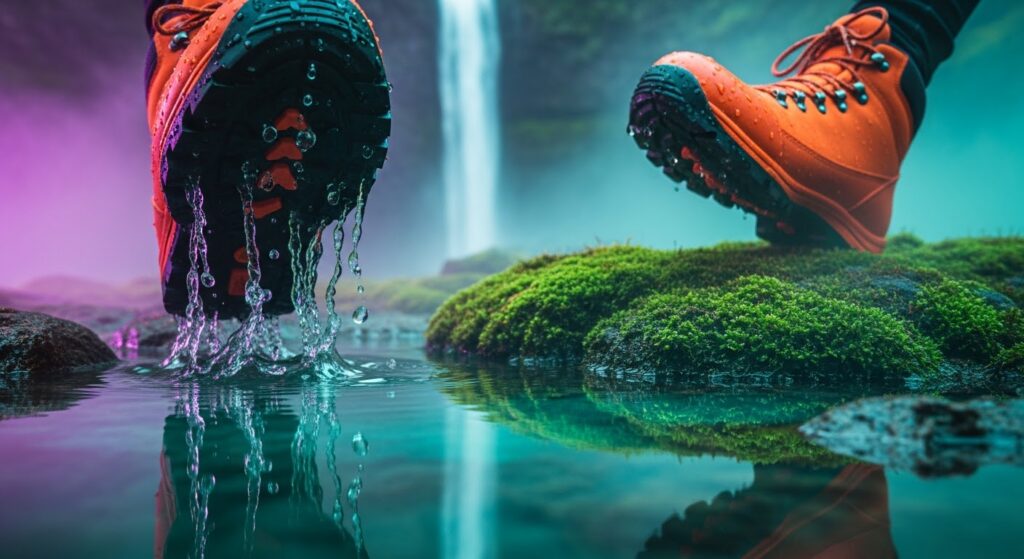
Adventure enthusiasts enjoy the energy of this season, but it also demands caution. Rocks remain extremely slippery, currents are unpredictable, and sudden cloudbursts can rapidly increase water levels within minutes. Waterproof trekking shoes with strong grip, rain jackets, dry bags, walking poles, and quick-dry clothing become essential equipment.
Crowd management is equally important. Popular waterfalls become heavily congested after 10 AM, especially on weekends. Visiting between sunrise and 8 AM on weekdays offers safer parking, easier photography, and a much quieter experience.
The Visual Shift from Brown Torrents to Crystal Cascades
By the middle of August, the Sahyadri landscape begins a subtle but beautiful transformation. Continuous rainfall reduces loose soil movement, allowing suspended sediment to settle naturally. As runoff becomes cleaner, waterfalls slowly change from muddy brown torrents into elegant silver curtains flowing over black volcanic rock.
This visual transition dramatically changes the character of Lonavala. Instead of overwhelming power, waterfalls begin displaying graceful patterns that photographers often prefer.
For photographers, this is the ideal time to modify camera settings and shooting style. During peak July flows, fast shutter speeds help freeze the explosive motion of turbulent water. By mid to late August, stabilized flows allow long-exposure photography using ND filters and tripods to create the silky waterfall effect that defines professional landscape photography.
The surrounding forests also appear significantly greener. Fresh moss blankets the basalt cliffs, ferns spread across rock faces, and newly grown vegetation softens the rugged mountain landscape.
Hidden Ridge Trails and the Architecture of Fog
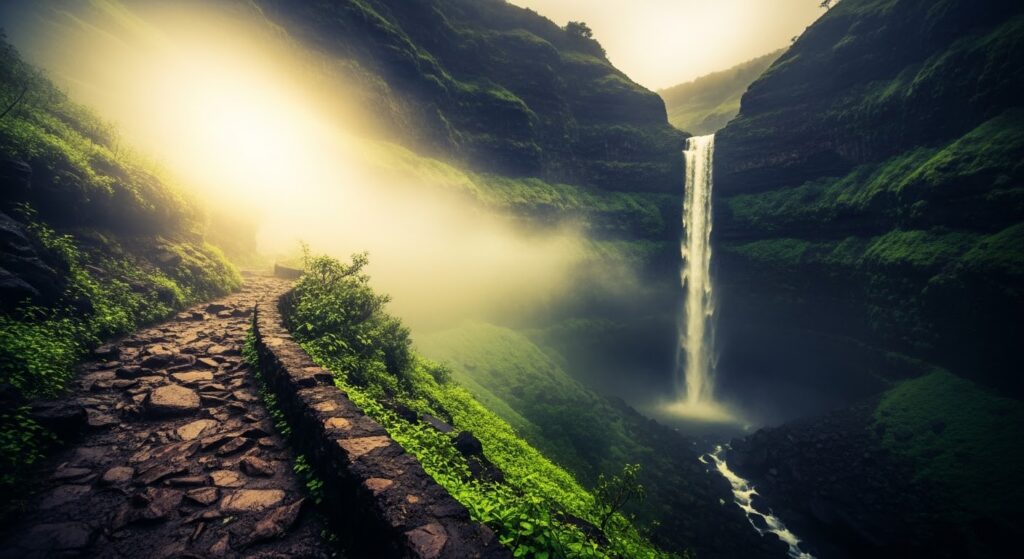
While tourists continue visiting the famous waterfalls, experienced hikers begin shifting their attention toward the higher ridges.
Late August introduces one of Lonavala’s most magical phenomena—dense ridge-top fog.
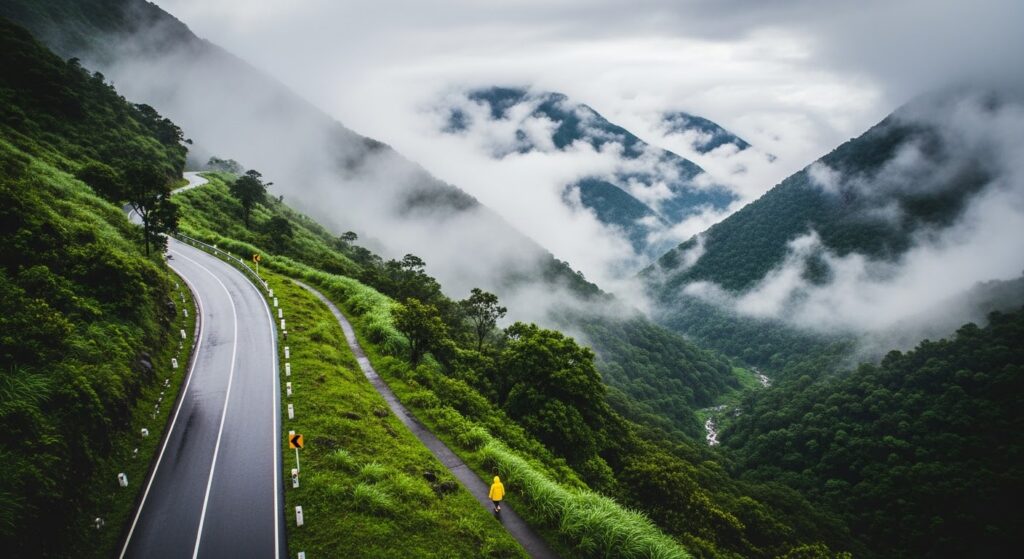
Instead of watching water plunge downward, visitors enter an entirely different world where visibility often falls below twenty meters. Entire valleys disappear beneath layers of moving cloud, creating the sensation of walking through floating white tunnels.
These brief periods are often called the “Silent Windows.” Wind slows, sounds become muted, and every footstep feels isolated from the outside world. Unlike the loud waterfalls below, ridge walks provide a calm, immersive experience where silence becomes the main attraction.
Several elevated trails near Rajmachi, Lohagad ridge sections, Visapur approaches, Tungarli plateau, and forest paths surrounding Duke’s Nose offer remarkable fog experiences away from the busiest tourist locations. Exploring these trails with offline maps, local guidance, and adequate preparation is recommended because visibility can disappear unexpectedly.
Micro-Climates and the Moss-Covered Solitude
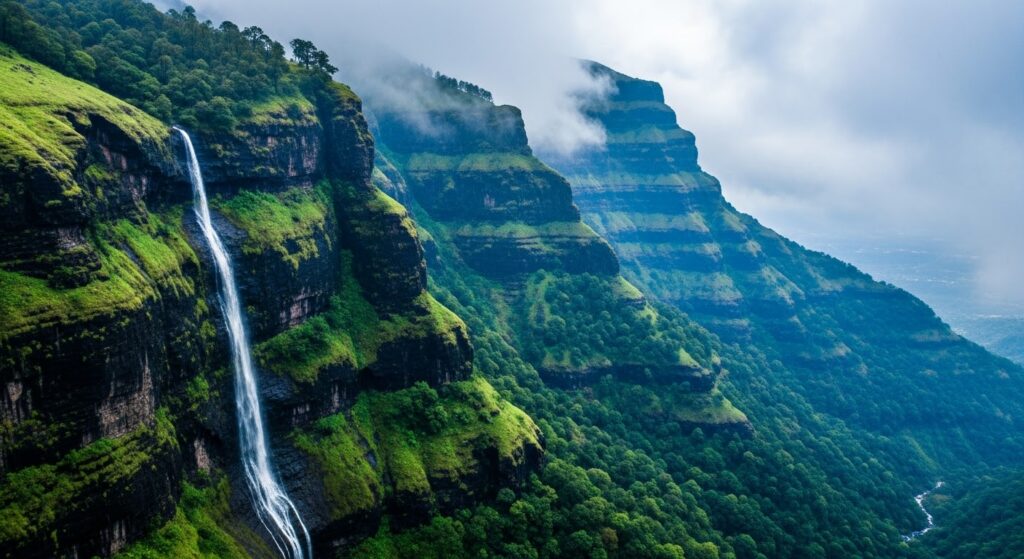
One of the most fascinating aspects of the Sahyadris is the presence of multiple micro-climates within a short distance.
A valley may experience heavy rain while a nearby ridge remains covered only by drifting mist. These constant weather variations support unique ecosystems filled with mosses, lichens, ferns, orchids, and countless moisture-loving plant species.
Walking through these high-altitude forests feels completely different from standing beside roaring waterfalls.
The valley represents the “Loud Monsoon.” Water crashes continuously, rivers rush through narrow gorges, and every surface vibrates with movement.
The higher meadows represent the “Quiet Monsoon.” Soft mist surrounds ancient trees, moss carpets every rock, and only distant bird calls interrupt the silence.
Timing becomes everything. Many experienced hikers monitor rainfall patterns carefully and begin trekking shortly after a rain spell ends. During these brief intervals, fog lifts temporarily to reveal spectacular emerald valleys before drifting back across the mountains minutes later.
These short visibility windows often produce the most unforgettable panoramic views of the Western Ghats.
Mapping Your Personal Monsoon Calendar
The best month depends entirely on the experience you want.
If your goal is witnessing nature at its most powerful, late July and early August deliver massive waterfalls, overflowing streams, and dramatic monsoon energy.
If you prefer peaceful trekking, atmospheric photography, moss-covered forests, and immersive fog walks, mid to late August provides the perfect balance between rainfall and accessibility.
As September approaches, rainfall gradually decreases while the landscape reaches peak greenery. Dense fog slowly retreats, revealing flowering plateaus covered with seasonal wildflowers, making this one of the finest months for nature photography and longer hikes.
Choosing the right season means matching the weather to your adventure style rather than simply visiting during the monsoon.
Essential Seasonal Packing Guide

A successful monsoon trip to Lonavala depends on carrying equipment suited to changing mountain conditions.
- Waterproof trekking shoes with deep grip
- Lightweight rain jacket or poncho
- Waterproof backpack cover and dry bags
- Extra quick-dry clothing
- Trekking pole for slippery trails
- Power bank stored in waterproof pouch
- Microfiber towel
- First-aid kit with antiseptic supplies
- Flashlight or headlamp
- Drinking water and high-energy snacks
- Camera rain cover and microfiber lens cloth
- Windproof jacket for exposed ridge walks
Preparing for both heavy rainfall and cool ridge-top winds ensures comfort throughout changing weather conditions.
Conclusion
Lonavala’s monsoon is not a single season but a constantly evolving journey through water, cloud, forest, and mountain. July showcases raw hydraulic power as waterfalls thunder through freshly eroded valleys. Mid-August transforms the landscape into a photographer’s paradise with cleaner cascades, lush greenery, and dense ridge-top fog. By September, the mountains reveal colorful wildflower plateaus and sweeping panoramic views.
Understanding this natural calendar allows you to choose the version of Lonavala that matches your travel style. Whether you seek the excitement of roaring waterfalls or the serenity of mist-filled ridges, the Sahyadris offer a different masterpiece every few weeks during the monsoon.