There are weekends when you don’t want a crowded tourist attraction, an expensive resort or a carefully planned itinerary. You simply want to leave the city behind, drive toward the hills and spend a few hours surrounded by greenery, mist and silence.
That is exactly what makes **Chas-Kaman Dam near Rajgurunagar** such an interesting monsoon getaway.
Located roughly **60–65 kilometres from Pune**, Chas-Kaman sits amid the dramatic landscape of the Sahyadris. During the monsoon, the dry summer landscape transforms completely. Hills become intensely green, streams appear along the roads, clouds settle over the valleys and the reservoir takes on a deep, dramatic appearance.
And the best part?
You don’t need a luxury budget to experience it.
With careful planning, local food and your own vehicle, this can be a wonderfully affordable day trip.
Leaving Pune Before the City Wakes Up
For a monsoon road trip, an early start makes a huge difference.
Leaving around **5 AM** allows you to get out of Pune before the roads become busy and gives you the opportunity to experience the changing landscape as the city gradually disappears behind you.
The journey toward **Rajgurunagar** takes you away from Pune’s urban landscape and into increasingly rural surroundings.
Buildings begin giving way to agricultural fields. Traffic becomes lighter. The Western Ghats slowly become more prominent on the horizon.
And during the monsoon, this section of Maharashtra can be spectacular.
Clouds hang low over the hills while roadside vegetation becomes almost impossibly green. Small streams and temporary waterfalls can appear beside the road after heavy rainfall.
This is one of those journeys where the road itself becomes part of the destination.
Rajgurunagar: The Gateway to Rural Maharashtra
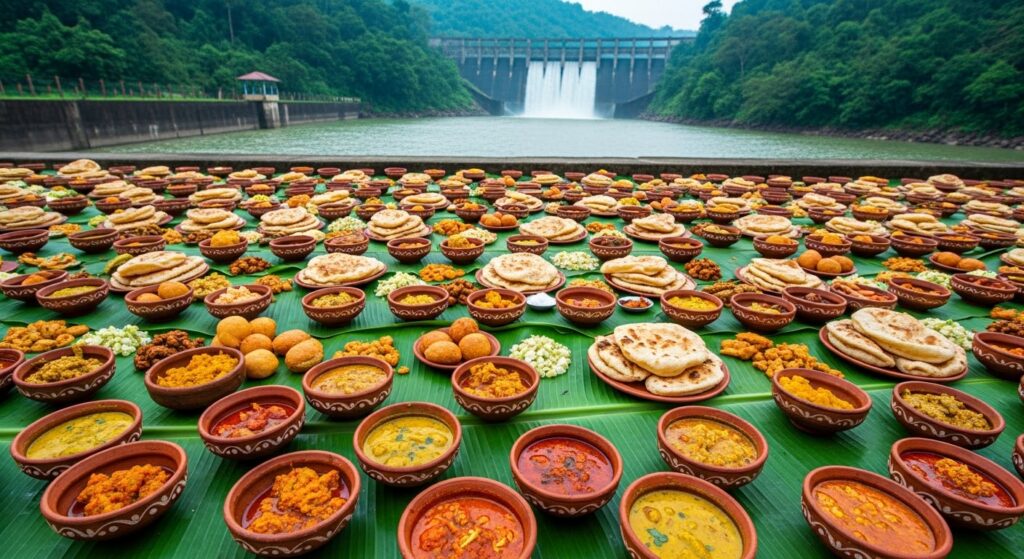
Rajgurunagar is more than just a point on the map between Pune and the dam.
It is a good place to slow down and experience a more local side of Maharashtra.
Instead of immediately searching for a restaurant designed for tourists, consider stopping at a simple local eatery or roadside stall.
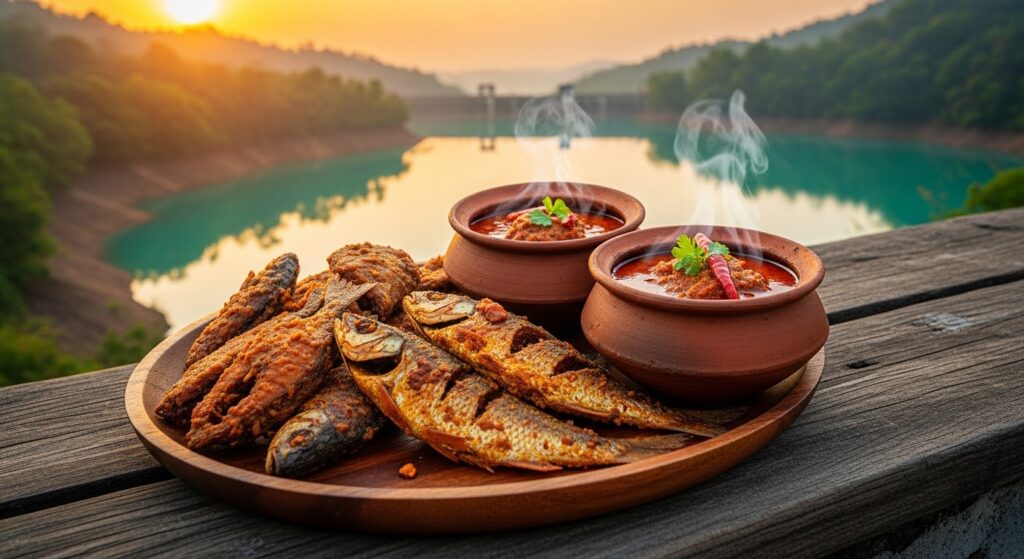
A hot cup of **cutting chai**, freshly prepared **kanda bhaji** or a traditional Maharashtrian breakfast can make an early morning road trip considerably more enjoyable.
If you’re lucky, you may find a local kitchen preparing food on a traditional **chulha**, with the aroma of spices and wood smoke filling the air.
This is where a budget trip becomes more than just a sightseeing exercise.
The objective isn’t to recreate a luxury holiday cheaply.
It is to experience the landscape and culture in a more authentic way.
Leaving the Highway Behind
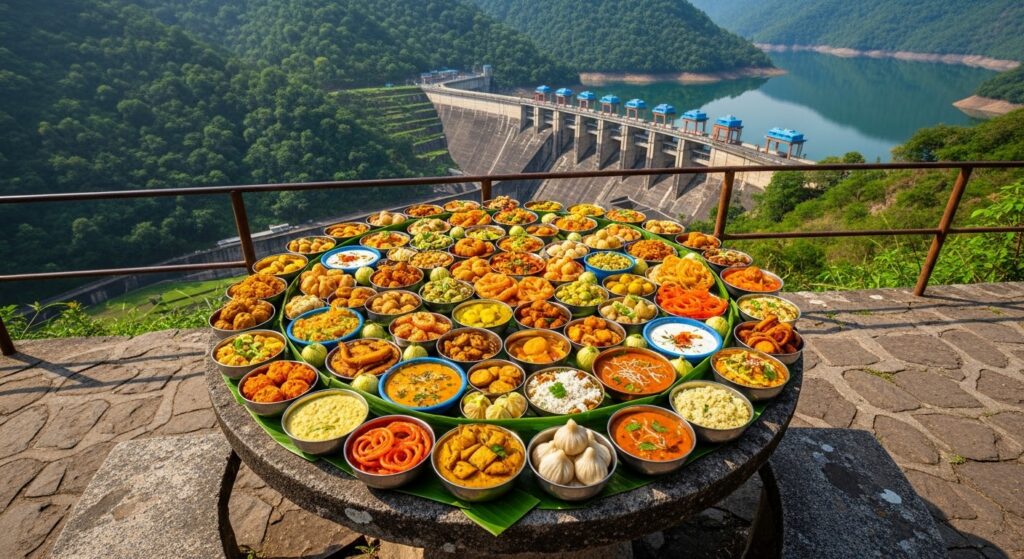
As you move closer to the Chas-Kaman region, the character of the journey changes.
The broad highways gradually give way to narrower rural roads, agricultural landscapes and quiet villages.
During the monsoon, these roads require additional caution.
Rain can make sections muddy and slippery, while water flowing across the road can obscure potholes and uneven surfaces.
There is no need for an adventurous driving style.
Slow down, maintain a safe distance, avoid unnecessary stops on narrow sections and never attempt to drive through water when you cannot judge its depth.
The Sahyadris are beautiful during the monsoon, but they also demand respect.
The First View of Chas-Kaman
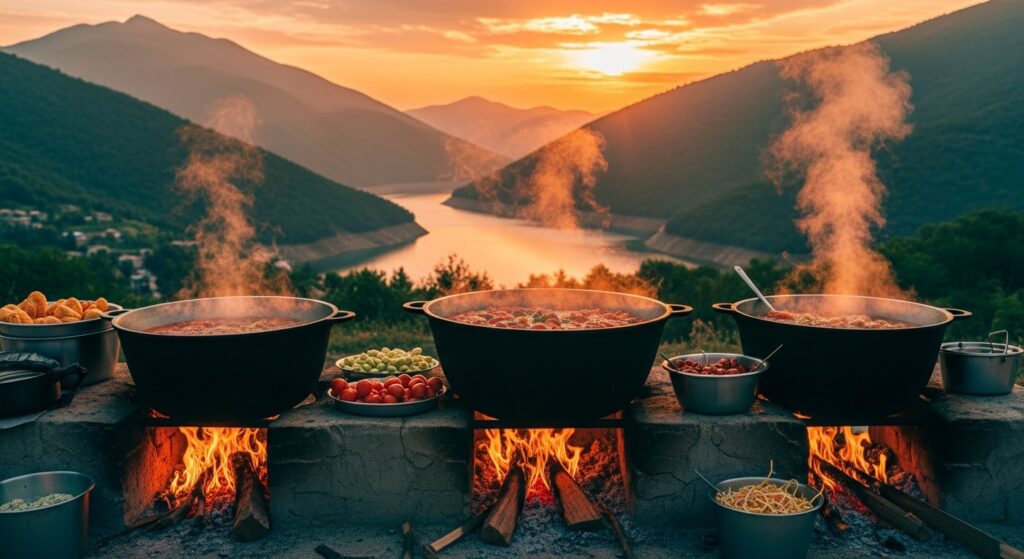
Then the landscape opens up.
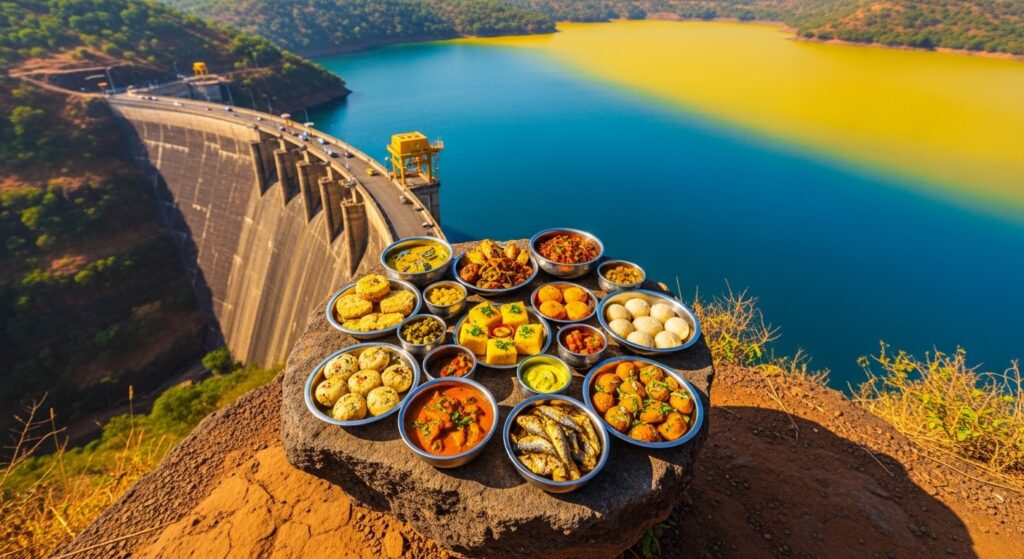
The **Chas-Kaman reservoir** appears between the hills, creating an enormous stretch of water surrounded by the green Sahyadri landscape.
This is the moment when the long drive starts making sense.
The reservoir looks particularly dramatic under monsoon skies.
Dark clouds hang above the hills, the surrounding vegetation becomes intensely green and the water reflects the changing light.
Unlike some of Maharashtra’s more famous monsoon destinations, Chas-Kaman can feel considerably quieter.
There may be no elaborate tourist infrastructure or rows of commercial attractions.
And that is precisely its charm.
The attraction is the landscape itself.
A Different Kind of Luxury
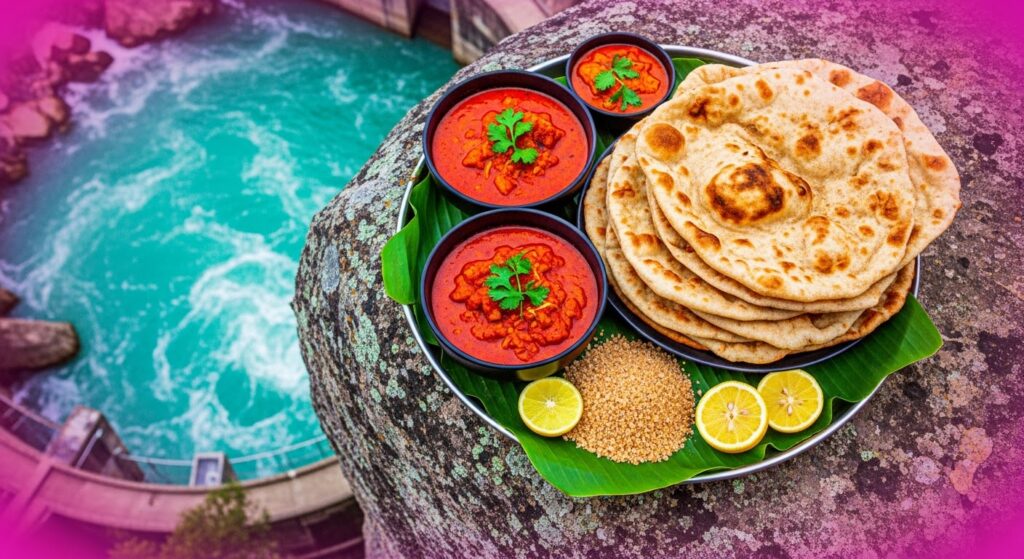
There is something refreshing about sitting beside a vast reservoir with nothing more than a cup of tea in your hands.
- No expensive hotel room.
- No resort swimming pool.
- No restaurant bill running into thousands.
Just the sound of wind, occasional birds, distant village activity and rain moving across the hills.
You can carry a small travel kettle or portable tea-making setup if conditions allow, but remember that fire and cooking near natural areas can be unsafe and may be restricted.
Sometimes the simplest experiences create the strongest travel memories.
Exploring the Backwaters
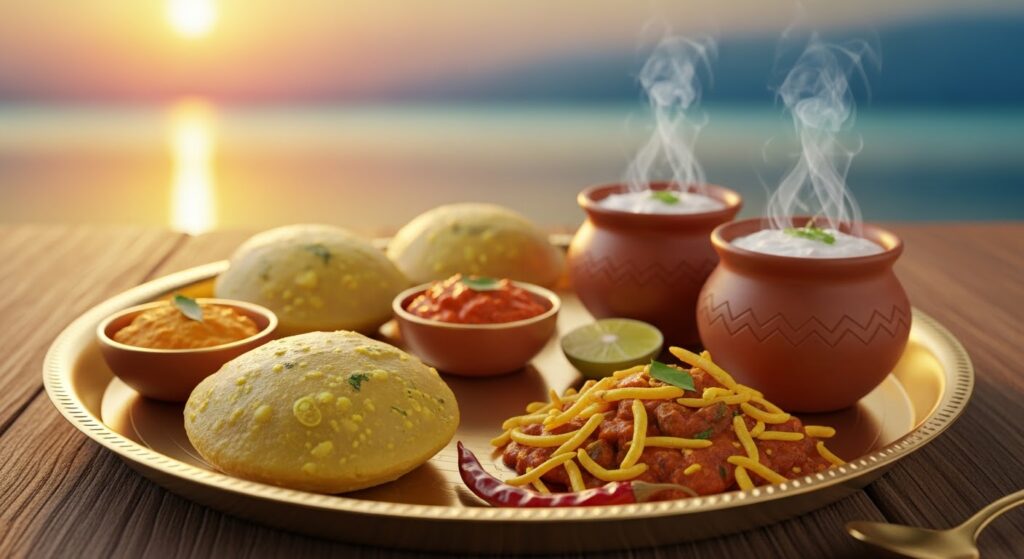
The Chas-Kaman reservoir and its surrounding countryside offer opportunities for quiet observation rather than a packed sightseeing schedule.
- Look for birds around the water and vegetation.
- Watch the clouds move across the hills.
- Photograph the changing colours of the landscape.
- Or simply sit somewhere safe and enjoy the silence.
The monsoon is particularly rewarding because the landscape changes almost every week.
Temporary streams, small waterfalls and fresh vegetation can appear after rainfall.
However, these seasonal features should be approached carefully.
Never stand directly below a waterfall, walk onto unstable rocks or venture close to rapidly flowing water simply to capture a photograph.
The landscape may look peaceful, but monsoon conditions can change quickly.
The Food Is Part of the Journey
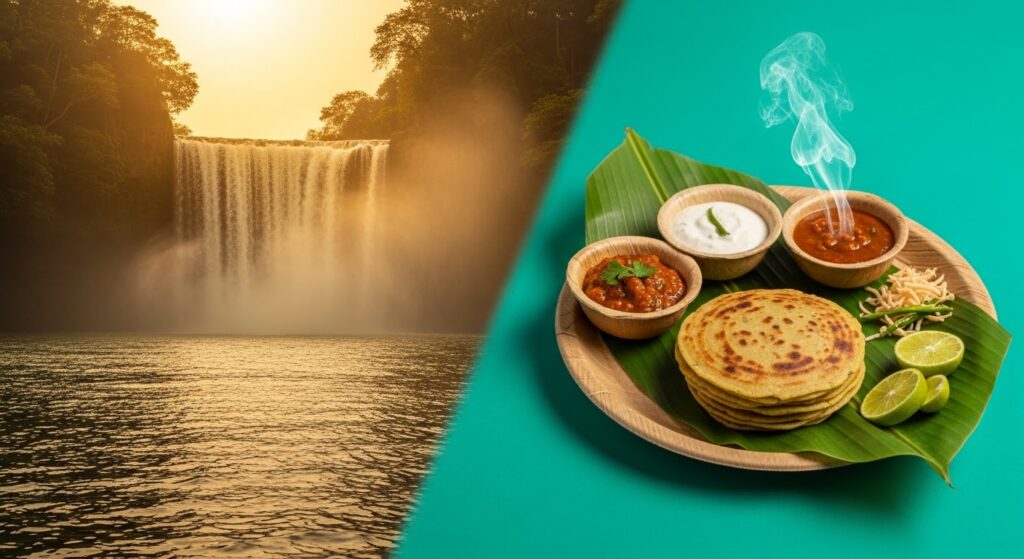
One of the easiest ways to keep this trip affordable is to eat where locals eat.
Instead of making the journey about expensive destination restaurants, look for clean and busy local establishments along the route.
Maharashtrian food can be particularly satisfying after an early morning drive.
Depending on what is available, you might encounter dishes featuring spicy gravies, bhakri, vegetables, dal, rice, kanda bhaji and other regional preparations.
And don’t underestimate a simple cutting chai during a rainy morning.
The combination of hot tea, spicy snacks and cold monsoon air is practically a Maharashtra road-trip tradition.
How Much Does the Trip Cost?
Chas-Kaman is attractive partly because it doesn’t require a large travel budget.
For a person travelling with friends or family in a shared vehicle, the cost can remain surprisingly low when fuel and food are divided among the group.
A rough budget for a simple day trip can be around **₹300–₹500 per person**, depending on the vehicle, number of travellers, food choices and starting point.
If you are travelling independently, however, treat this as an approximate budget rather than a fixed price.
Fuel prices, route choices and food expenses can change.
The real lesson is that you don’t need to spend thousands of rupees to enjoy the Sahyadris.
Best Time to Visit
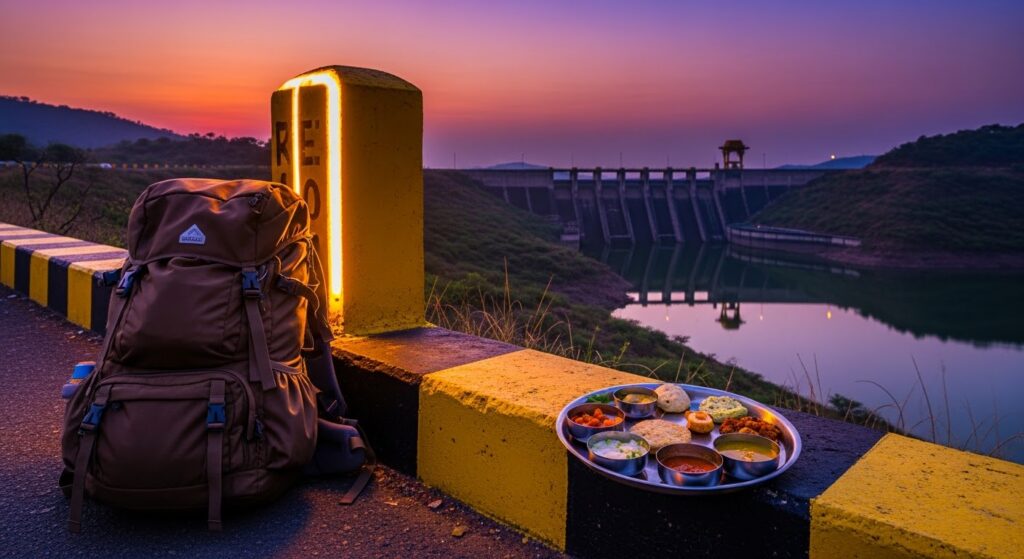
The most attractive period is generally the **monsoon and early winter**, when the surrounding landscape is green and the weather is more pleasant.
For photography enthusiasts, cloudy days can create dramatic skies and softer light.
But monsoon travel also comes with uncertainty.
Heavy rainfall can affect road conditions, visibility and access to certain areas.
Always check the weather before leaving and be prepared to change your plan if conditions become unsafe.
Getting There
Chas-Kaman is approximately **60–65 km from Pune**, depending on your starting point and chosen route.
The journey generally involves travelling toward **Rajgurunagar** and then continuing through the rural roads toward the reservoir.
A **bike or car** is the most convenient option because it allows you to stop at viewpoints and explore the countryside at your own pace.
Public transport is possible up to Rajgurunagar, but reaching individual viewpoints and quieter areas around the reservoir can be considerably more difficult without private transport.
If using local transport, confirm the return options before travelling deeper into rural areas.
Important Monsoon Safety Tips
The beauty of Chas-Kaman during the monsoon should never come at the cost of safety.
- Avoid going directly into restricted sections around the dam.
- Do not enter the reservoir or attempt to swim.
- Stay away from slippery rocks and steep slopes.
- Don’t park your vehicle on narrow roads or blind corners.
If rain becomes extremely heavy, return toward safer and more populated areas rather than waiting beside the reservoir.
Carry a raincoat or umbrella, especially if you plan to walk around.
Keep some cash with you because smaller roadside stalls may not always have reliable digital payment facilities.
And most importantly, don’t treat a secluded location as permission to ignore local restrictions.
Leave Nothing Behind
Quiet destinations remain beautiful only when visitors behave responsibly.
- Don’t throw plastic bottles, food packets or cigarette waste into the countryside.
- Avoid loud music.
- Don’t damage vegetation.
- Don’t disturb birds or other wildlife.
If you carry food into the area, carry the packaging back out with you.
The greatest compliment you can pay a hidden destination is to leave it looking exactly as you found it.
Why Chas-Kaman Is Worth the Drive
Chas-Kaman isn’t trying to compete with Maharashtra’s most famous tourist destinations.
There may not be elaborate attractions, luxury resorts or endless activities.
Instead, its appeal is much simpler.
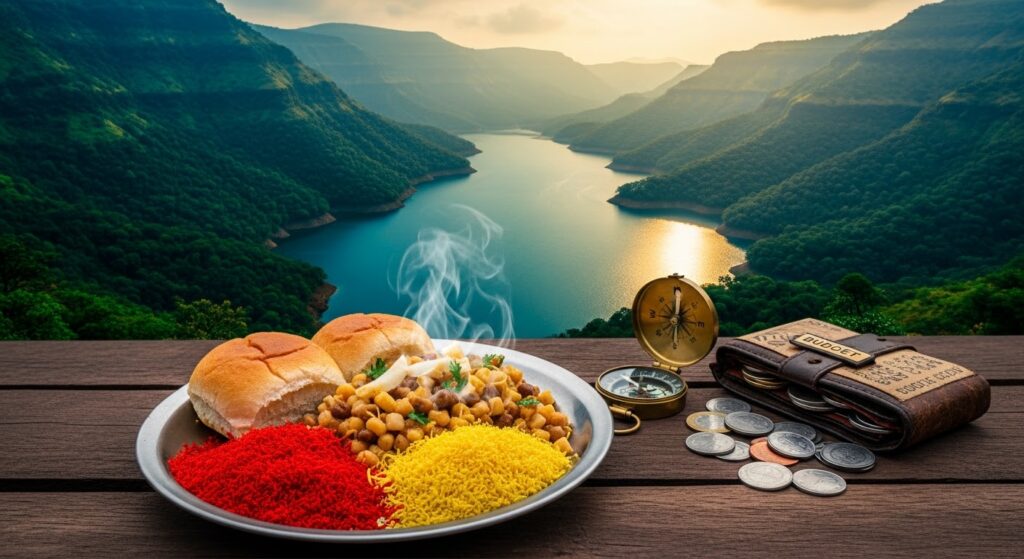
It offers a chance to leave Pune for a few hours, drive through the monsoon landscape of the Sahyadris, eat something local, watch the clouds roll over the hills and spend time beside a vast reservoir without spending a fortune.
For travellers looking for an inexpensive one-day escape, that can be more than enough.
Sometimes the best weekend isn’t the one with the most activities.
It is the one where you return home feeling that you actually escaped the city.
And for that kind of escape, **Chas-Kaman Dam is worth putting on your monsoon road-trip list.*