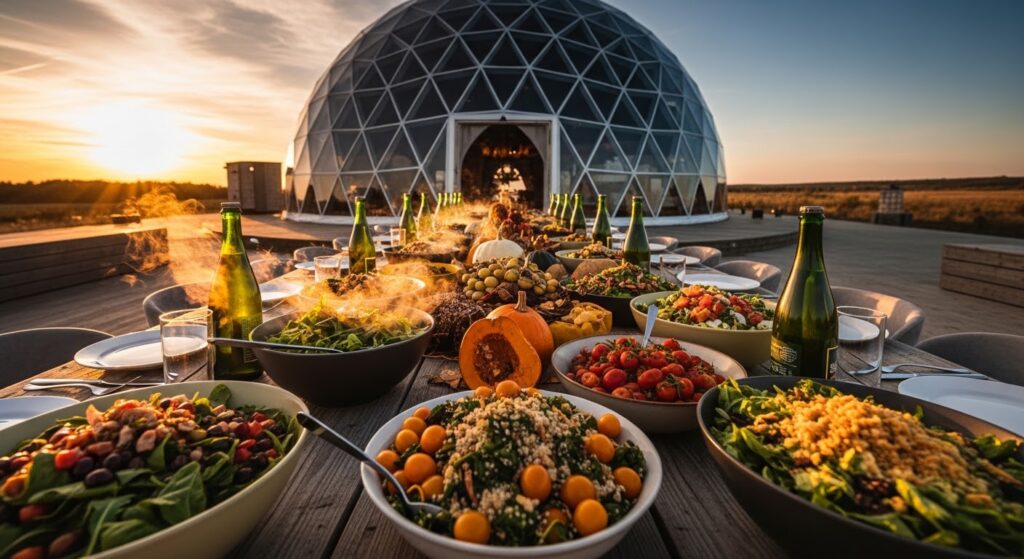
Stop offering generic luxury if you want your glamping business to stand out in 2026. Premium tents, comfortable mattresses, designer bathrooms and carefully arranged interiors may attract a first-time visitor, but they are increasingly easy to replicate. What guests remember—and what can make them return—is an experience they cannot simply purchase at another resort. In the Western Ghats, one of the strongest opportunities lies directly on the dining table: the region’s extraordinary culinary heritage.
Imagine arriving at a glamping property surrounded by misty hills and dense monsoon vegetation. Instead of being handed another predictable continental breakfast, guests smell wood smoke drifting through the campsite. Somewhere nearby, vegetables are roasting slowly over an earth pit while local greens are being prepared with traditional spices. Dinner is not merely served; its preparation becomes part of the experience. That transformation—from eating at a resort to participating in a regional food ritual—can become the property’s most powerful sensory anchor.
The Pitfall of Generic Luxury
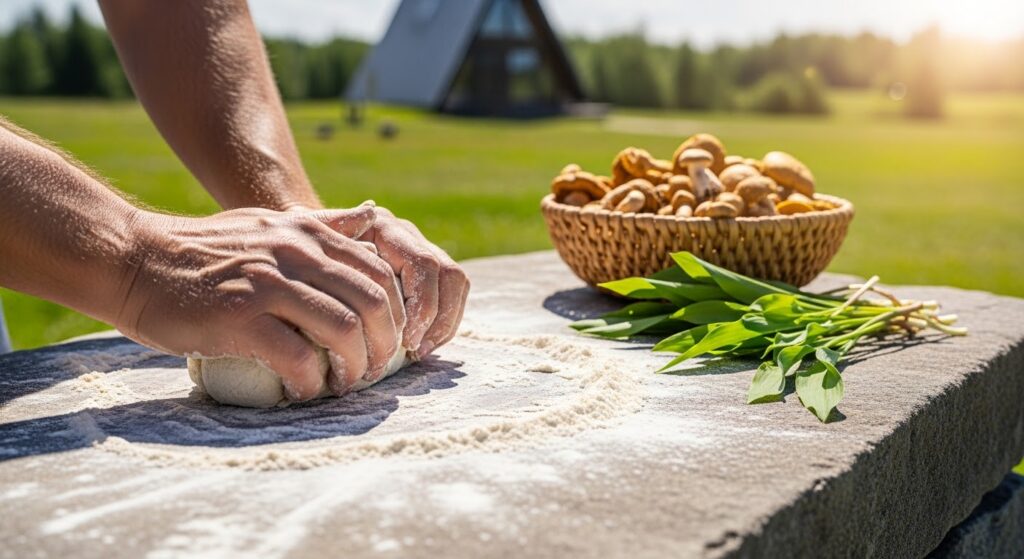
The modern glamping market is becoming crowded with properties offering remarkably similar experiences. Canvas tents, private decks, fairy lights, outdoor bathtubs and Instagram-friendly interiors may look impressive online, but they do not necessarily create loyalty. When ten properties offer similar visual luxury, the guest begins comparing prices rather than memories.
Food can break that cycle.
A standard breakfast of toast, cereal, eggs and packaged juice might be convenient, but it rarely tells guests anything about the landscape surrounding them. The Western Ghats, however, possess an enormous culinary vocabulary shaped by rainfall, forests, farming traditions, coastal influences and generations of local knowledge.
The opportunity is to turn that culinary identity into a reason to return.
This is the idea of a **Sensory Anchor**: a distinctive smell, taste, ritual or visual experience that becomes inseparably associated with the property. A guest may forget the exact design of the tent, but remember waking up to the aroma of wood smoke, watching a traditional dish being cooked slowly, or discovering a seasonal green they had never tasted before.
That memory has commercial value.
The Architecture of the Pit
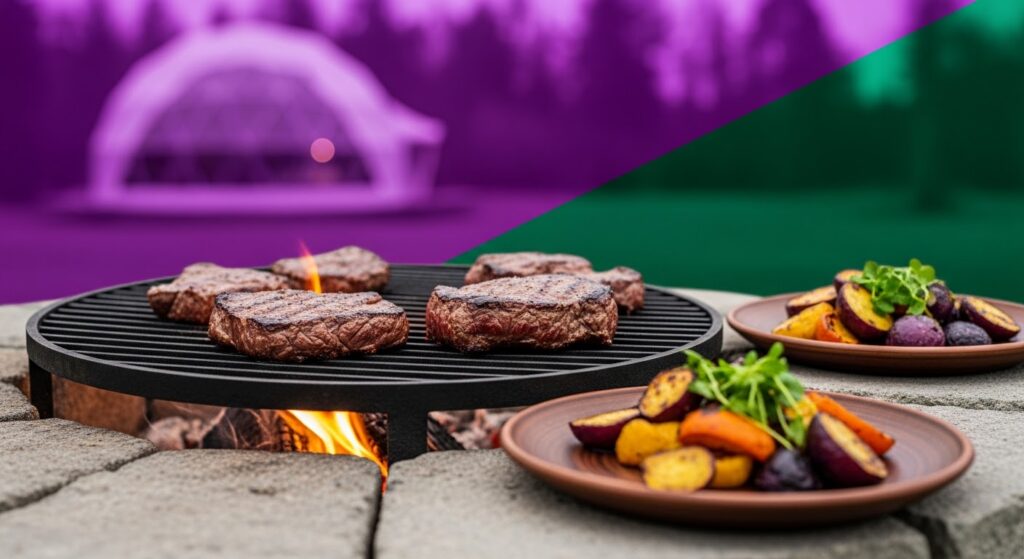
A traditional wood-fired cooking area should not simply be treated as a kitchen hidden behind the restaurant. Done correctly, it can become the social heart of the glamping property.
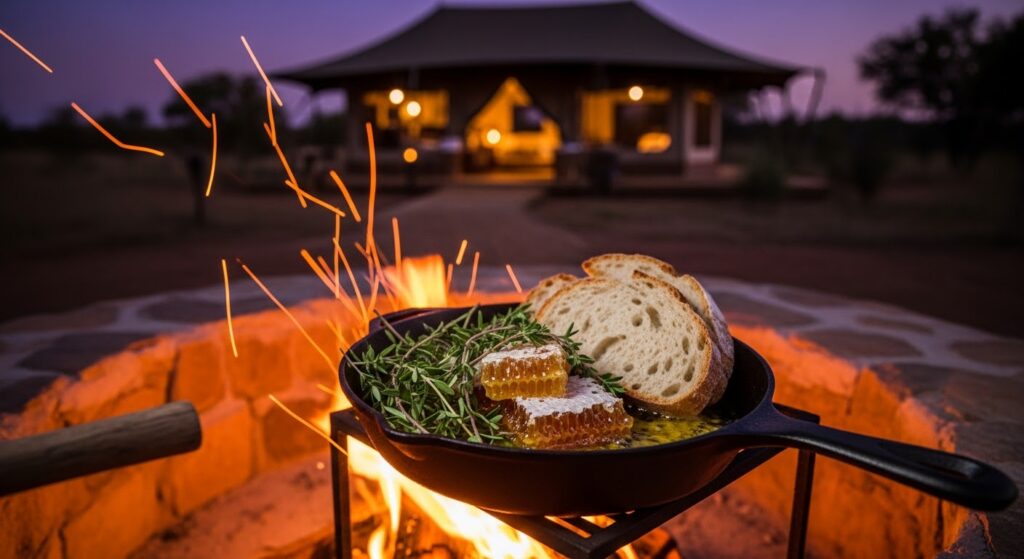
An earth or masonry cooking pit can be designed as an outdoor culinary theatre, with safe seating positioned around the cooking zone. Guests can observe preparation while maintaining appropriate distance from flames and hot surfaces. The visual progression itself becomes entertainment: fire is lit, ingredients are prepared, vessels are placed over or inside the heat, and the meal slowly develops over several hours.
The objective is not to recreate a historical cooking method purely for spectacle. It is to respectfully adapt traditional techniques to a modern hospitality environment while maintaining strict standards of fire safety, food hygiene and environmental compliance.
Local wood can also contribute to the sensory character of the experience, but sourcing must be responsible. Rather than encouraging indiscriminate use of forest wood, operators should rely on legally sourced, appropriate fuel from permitted suppliers. The idea of using particular woods for their smoke profile can be explored through controlled culinary demonstrations, provided the fuel is safe, permitted and suitable for cooking.
Slow-cooked vegetables, grains, meats where legally and ethically sourced, tubers and regional breads can then become part of a signature dining programme.
The important distinction is that guests are not simply eating dinner.
**They are watching dinner become a story.**
Turning Dinner Into an All-Day Event
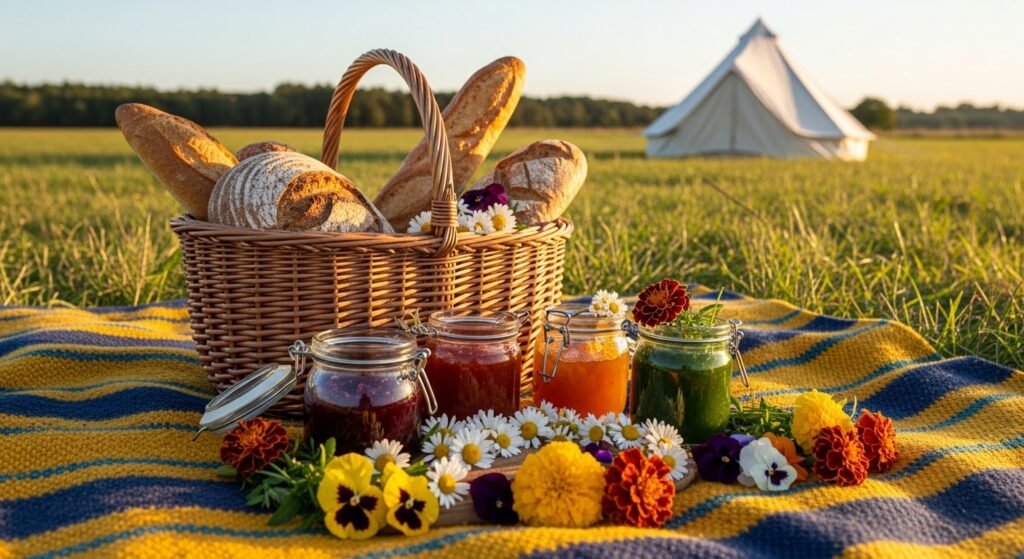
One of the biggest advantages of traditional slow cooking is time.
A conventional restaurant meal begins when the guest sits down. A heritage cooking experience can begin several hours earlier.
In the morning, guests might see ingredients being cleaned and prepared. By afternoon, the cooking process begins. As the sun sets and temperatures fall, the fire becomes the visual centre of the property. By dinner time, guests have already developed curiosity about what is cooking.
This creates anticipation.
A property could build a signature weekly experience around a particular dish or cooking method. Instead of presenting a large menu, the resort could offer a carefully designed **Western Ghats Heritage Dinner**, accompanied by explanations of ingredients, farming traditions and cooking techniques.
This approach also helps control operations. A smaller, curated menu can reduce unnecessary inventory while giving the guest something that feels exclusive.
Harvesting the Monsoon Palette
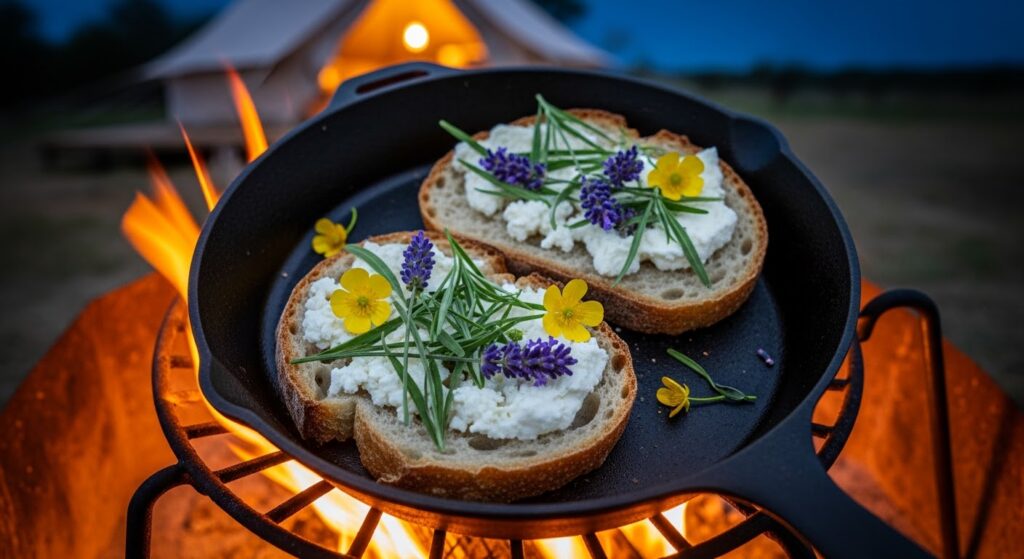
The monsoon dramatically changes the culinary landscape of the Western Ghats. Rain transforms fields, forests and village markets, bringing seasonal greens, mushrooms, tubers, fruits and other ingredients into local food traditions.
For a glamping business, seasonality can become a marketing advantage.
Instead of promising exactly the same menu throughout the year, the property can create a **Monsoon Table**, a **Winter Harvest Menu** or a **Summer Forest Kitchen**, depending on what can be sourced safely and legally.
The concept of an ephemeral ingredient is particularly powerful. When guests are told that a particular ingredient is available only during a short seasonal window, the meal becomes an event rather than a commodity.
But this requires responsibility.
Wild-foraged ingredients should never be presented as automatically safe simply because they are traditional. Identification, food safety, sustainable harvesting and regulatory requirements are critical. Some wild plants and mushrooms can be toxic or legally restricted. A professional hospitality operation should work with knowledgeable local experts and verified suppliers rather than encouraging guests or inexperienced staff to forage independently.
Partnering With Local Communities
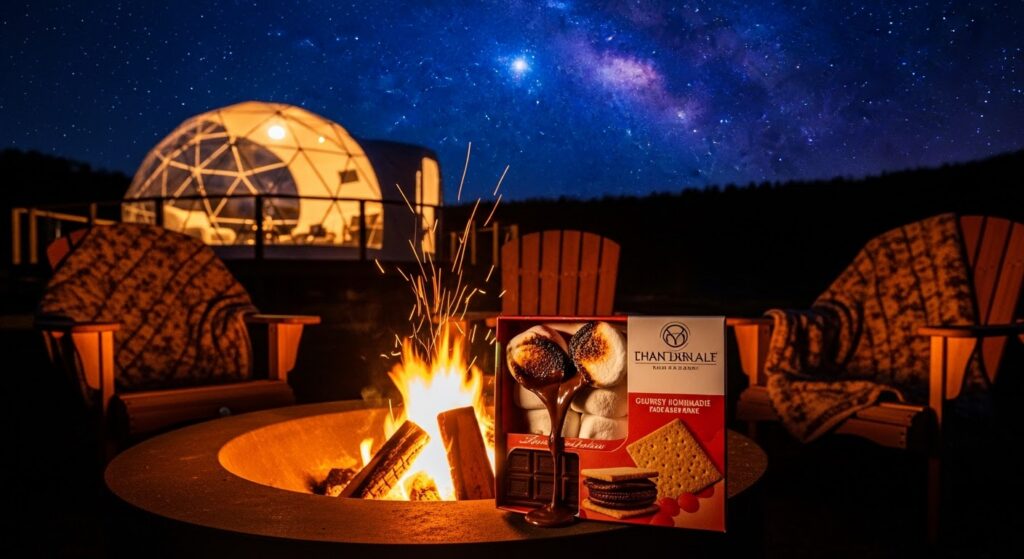
The strongest version of this model goes beyond buying ingredients from a local market.
It creates economic participation for the communities that preserve the culinary knowledge.
Glamping operators can work with local farmers, cooks, food producers, artisans and, where appropriate and lawfully arranged, indigenous or tribal communities. They can commission traditional recipes, purchase locally produced ingredients, invite knowledgeable community members to conduct storytelling sessions and create paid culinary workshops.
The relationship should be transparent and commercially fair. Traditional knowledge should not be appropriated and repackaged as a luxury product without recognition or compensation.
Imagine a guest sitting beside a cooking fire while a local culinary expert explains why a particular seasonal ingredient appears only after the first heavy rains. Suddenly, the dish has context.
The guest is no longer consuming a product.
They are experiencing a place.
Building the Loyalty Loop
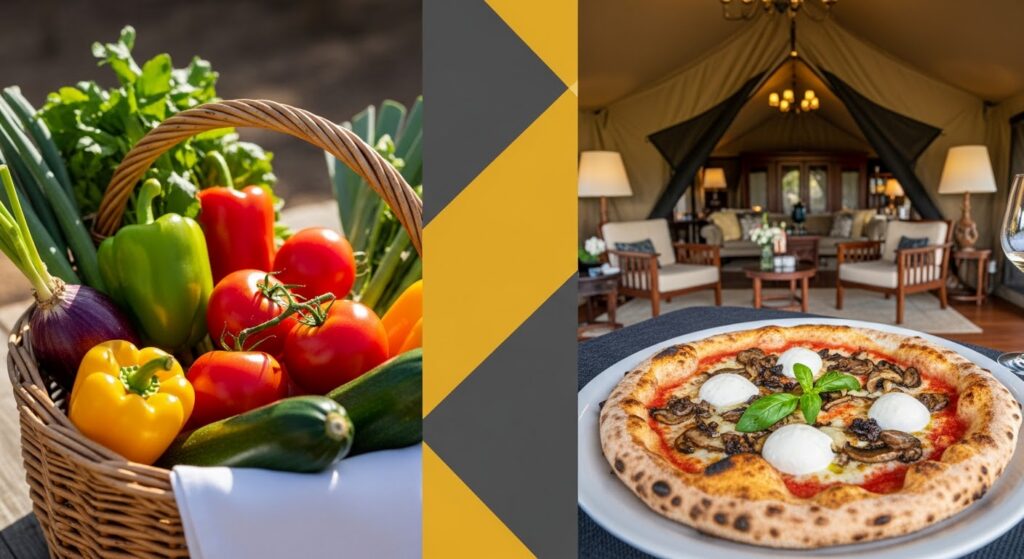
The commercial objective is not simply to make dinner more interesting. It is to create a sequence that encourages repeat visits.
The loop begins with **discovery**. A guest sees an unusual food experience online.
It continues with **participation**. They arrive and become part of the preparation or storytelling.
Then comes **memory**. The smell of smoke, sound of rain, taste of a regional dish and atmosphere around the fire become connected to the property.
Next comes **sharing**. Guests photograph the cooking ritual, record short videos and post their experience.
Finally comes **return motivation**. The guest learns that the next season offers a different menu, another harvest or another culinary ritual.
The property now has a natural reason to invite the same guest back.
This is far more powerful than simply sending a discount coupon.
User-Generated Content Can Reduce Acquisition Costs
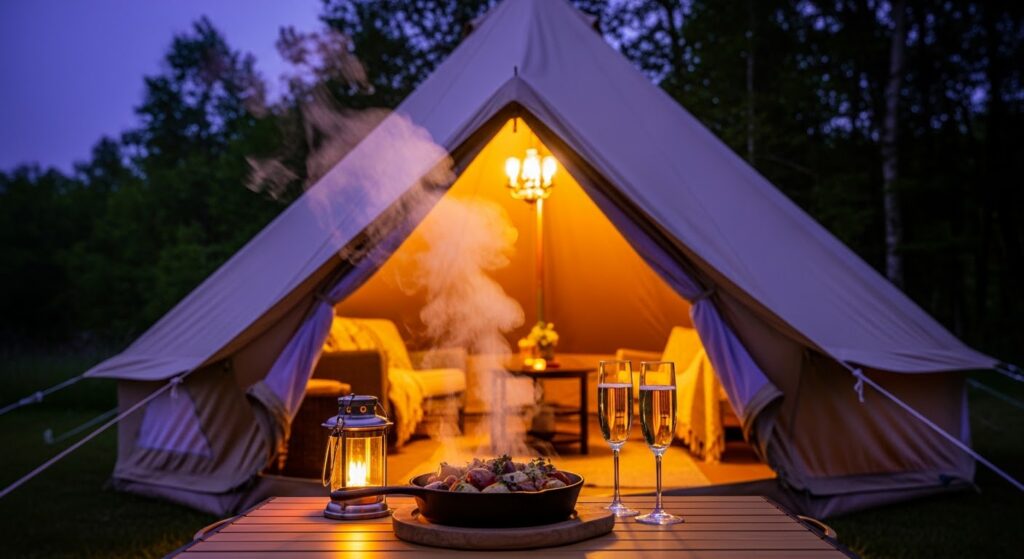
Food is naturally visual, making it particularly valuable for social media marketing.
A slow-cooked dish emerging from an earth oven, smoke rising through a misty forest, a traditional bread being prepared beside a fire or a chef explaining a rare seasonal ingredient can generate more distinctive content than another photograph of a luxury tent.
Operators should therefore design experiences that are naturally shareable without turning every ritual into an artificial Instagram performance.
A simple content strategy could include a branded culinary hashtag, guest recipe cards, short behind-the-scenes videos and permission-based reposting of guest content.
The result is a potential reduction in dependence on paid advertising because previous guests become informal storytellers for the property.
Can Food Really Double Guest Retention?
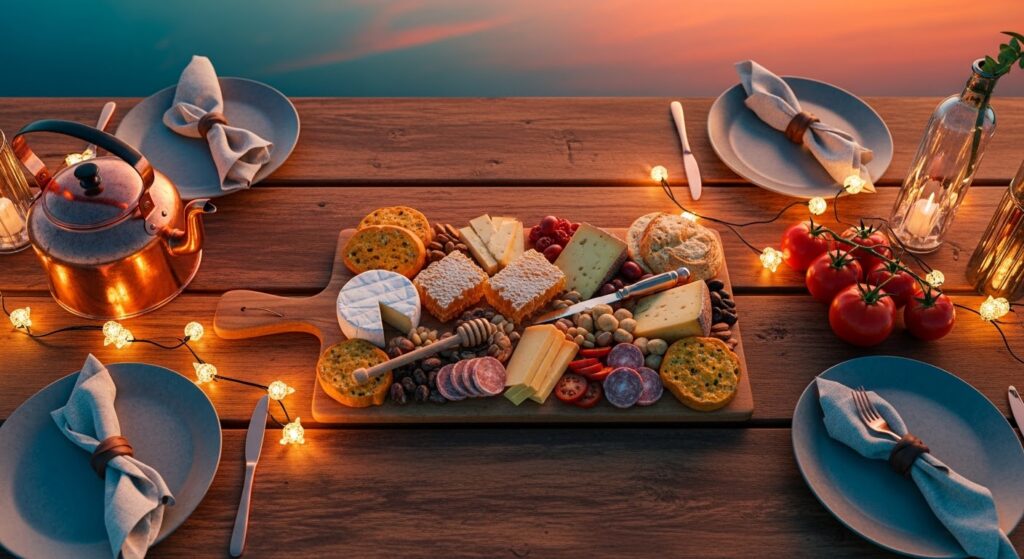
The phrase “double guest retention” should be treated as a business target rather than a guaranteed outcome. There is no universal formula proving that a particular food experience will automatically double repeat bookings.
Retention depends on many variables: pricing, location, service quality, accessibility, accommodation quality, seasonality, competition and the overall guest experience.
However, immersive food can become a measurable retention driver.
A glamping operator should track the percentage of guests who return within 6, 12 and 18 months. The property can compare repeat-booking rates among guests who participated in the heritage food programme with those who did not.
Other useful metrics include average booking value, length of stay, referral bookings, social mentions, direct bookings and the percentage of reservations generated by previous guests.
If the data shows that culinary participants return more frequently or refer more visitors, the food experience has moved from being a hospitality expense to becoming a customer-retention asset.
Creating a Reason to Come Back
The most intelligent glamping properties should avoid making every visit identical.
The first visit might introduce guests to a signature fire-cooked dinner.
The second could focus on the monsoon harvest.
The third could feature a village breakfast, traditional fermentation workshop or seasonal cooking experience.
This creates a **living menu** rather than a static menu.
Guests have a reason to return because the landscape itself keeps changing.
That is particularly valuable in the Western Ghats, where rainfall, vegetation and agricultural cycles can dramatically alter the environment throughout the year.
From Resort to Cultural Landmark
The ultimate goal is bigger than food.
A successful glamping property can become a gateway into the culture of its region.
The tent provides accommodation. The landscape provides the setting. But the food provides identity.
When guests begin associating the smell of a wood fire, the taste of a regional recipe and the sound of monsoon rain with one particular property, the resort becomes difficult to replace.
That is the real competitive advantage.
Luxury can be copied. A swimming pool can be copied. A tent design can be copied. Even an infinity deck can be copied.
But a genuinely authentic relationship with local food traditions, communities, seasonal ingredients and regional storytelling is much harder to reproduce.
The future of premium glamping in the Western Ghats may therefore not be about adding more luxury to the room.
It may be about bringing more of the surrounding landscape to the table.
When a guest leaves with a photograph of a tent, they remember the accommodation.
When they leave with the memory of sitting beside a fire, tasting a seasonal dish and listening to a local story while rain falls over the Western Ghats, they remember **the place**.
And when the experience is designed responsibly, that memory can become the foundation of repeat bookings, word-of-mouth growth and a glamping brand with genuine cultural identity.