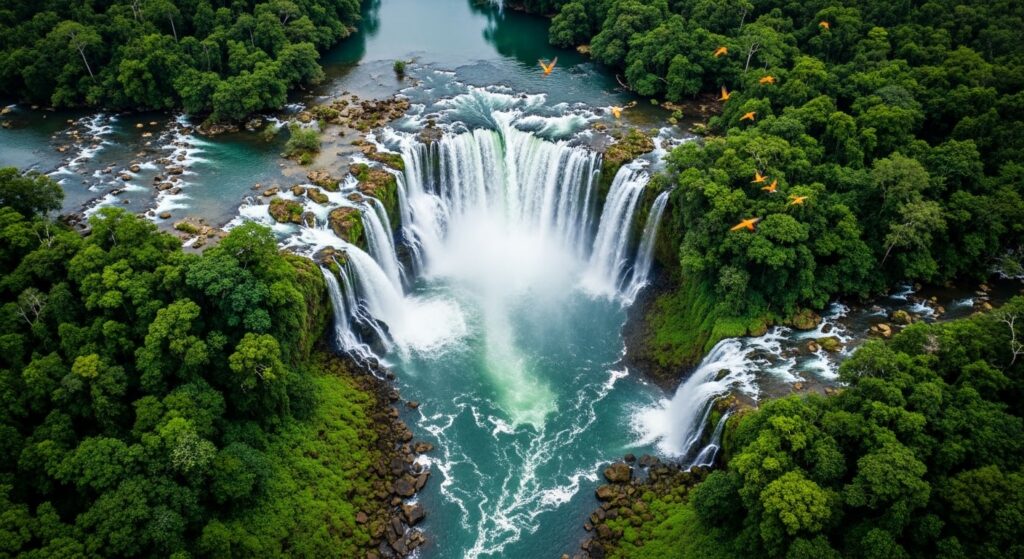
Every monsoon, Gujarat reveals a side that surprises even seasoned travelers. Beyond its temples, wildlife sanctuaries, and white deserts lies a roaring natural spectacle that reaches its full glory only during the rainy season—Gira Falls. Often referred to as the “Niagara of Gujarat,” Gira Falls near Waghai in the Dang district transforms from a calm river cascade into a thunderous curtain of muddy, silt-rich water that crashes over dark basalt cliffs with astonishing force. During the peak monsoon season, the Ambika River carries enormous volumes of rainwater from the Western Ghats, creating a dramatic waterfall that is as challenging to photograph as it is mesmerizing to witness. For landscape photographers, travel creators, and nature enthusiasts, this brief seasonal window offers an opportunity to capture one of western India’s most dynamic natural events. Photographing Gira Falls, however, is not simply about pointing a camera toward the water. It demands planning, technical knowledge, weather awareness, and a willingness to work with constantly changing light, heavy rain, slippery terrain, and an atmosphere filled with mist. Those who embrace these challenges return home with images that showcase both the immense power and the delicate beauty of the Indian monsoon.
The journey to Gira Falls during late July or early August immediately immerses visitors in Gujarat’s lush monsoon landscape. Roads winding through the Dang forests become surrounded by dense greenery, low-hanging clouds, and countless seasonal streams feeding the Ambika River. Every kilometer hints that the waterfall ahead is growing stronger with every passing hour of rainfall. Long before reaching the viewing area, the deep rumble of crashing water becomes audible. Unlike many waterfalls that reveal themselves gradually, Gira Falls announces its presence with sound before sight. As you approach the viewing platforms, thick clouds of mist rise hundreds of feet into the humid air while the golden-brown water plunges over the wide basalt precipice with overwhelming force. The scale often surprises first-time visitors because photographs rarely communicate the sheer volume of water pouring over the cliff during the peak monsoon. Standing near the viewing area, one quickly realizes why photographers often compare the experience to standing near Niagara Falls. The constant vibration of falling water, the swirling spray, and the earthy scent of rain-soaked forests create an unforgettable sensory experience.
The first task for any serious photographer is selecting a safe and stable vantage point. While the temptation to move closer to the waterfall is understandable, monsoon photography always demands respect for nature. Rocks surrounding Gira Falls become exceptionally slippery due to continuous rainfall and algae growth. Water levels can rise dramatically within minutes following heavy upstream rain, making previously safe locations hazardous. The most successful images often come not from the closest point but from elevated viewpoints that provide a wider perspective of the waterfall, the basalt cliffs, and the surrounding rainforest. A composition that includes foreground rocks, the flowing river, and the expansive waterfall creates a sense of scale impossible to achieve with tightly cropped images. Professional photographers frequently spend thirty minutes or more observing the changing patterns of mist, wind direction, and water flow before even setting up a tripod. Patience becomes one of the most valuable tools in the camera bag.
Weatherproofing equipment becomes essential the moment you arrive. Peak monsoon conditions mean that cameras rarely stay dry for more than a few seconds. Fine mist constantly settles on lenses while heavy vertical rain can begin without warning. Waterproof camera covers, microfiber cloths, silica gel packs, and sealed backpacks should be considered mandatory rather than optional accessories. Lens hoods help reduce water droplets landing directly on the front element, but frequent cleaning remains unavoidable. Carrying multiple microfiber cloths allows photographers to rotate between dry cloths throughout the day. It is equally important to avoid changing lenses in the open because moisture and dust can easily enter the camera sensor. Many professionals prefer using a versatile zoom lens to minimize lens changes in wet conditions. A weather-sealed camera body paired with a weather-resistant lens significantly improves reliability during long photography sessions around the falls.
One of the greatest technical challenges at Gira Falls is managing exposure under constantly changing monsoon light. Unlike crystal-clear alpine waterfalls that reflect bright white highlights, Gira Falls during peak monsoon carries enormous quantities of sediment, giving the water rich ochre, brown, and golden tones. This muddy water reflects light differently, often confusing automatic metering systems. Cameras may underexpose the scene due to the dark basalt cliffs or overexpose the bright foam generated by the crashing water. Manual exposure mode offers the highest degree of control. Photographers should regularly check histograms rather than relying solely on the LCD preview, which may appear brighter or darker depending on surrounding conditions. Exposing carefully to preserve highlight detail ensures that the brightest white water retains texture instead of becoming featureless patches.
Mastering the exposure triangle is particularly important when photographing waterfalls in difficult weather. Apertures between f/8 and f/16 generally provide the sharpness and depth of field needed for expansive landscape compositions. ISO should remain as low as practical, usually ISO 100 or ISO 200, to preserve maximum image quality and reduce digital noise during post-processing. Shutter speed then becomes the creative variable. A fast shutter speed around 1/1000 second freezes individual water droplets, emphasizing explosive energy and revealing intricate splash patterns invisible to the naked eye. Conversely, slower shutter speeds transform the turbulent water into silky ribbons that contrast beautifully against the sharp edges of basalt rocks. Each approach tells a different visual story, making experimentation essential.
Neutral Density filters become invaluable tools during bright overcast monsoon afternoons. Although cloudy skies may appear dim, the overall brightness often remains too high for multi-second exposures. Six-stop or ten-stop ND filters allow photographers to slow shutter speeds dramatically without overexposing the image. Circular polarizing filters also provide benefits by reducing glare on wet rocks and saturated foliage while enhancing color richness throughout the scene. Combining an ND filter with a polarizer requires careful exposure adjustments but often produces exceptionally dramatic waterfall photographs with balanced reflections and enhanced textures.
Capturing the perfect long exposure at Gira Falls requires balancing artistic softness with visible power. Shutter speeds between one-quarter of a second and two seconds frequently produce the most pleasing results. At approximately one-quarter second, the water retains noticeable texture while beginning to smooth into elegant flowing shapes. Around one second, the waterfall develops a silky appearance that emphasizes movement without losing its immense volume. Two-second exposures produce dreamlike streams of water cascading over dark volcanic rock, particularly when the mist briefly clears. Every waterfall behaves differently, and Gira Falls changes continuously throughout the day depending on rainfall intensity. Photographers should avoid assuming that one shutter speed works universally. Instead, capturing multiple exposures across different settings provides greater creative flexibility during editing.

Wind adds another unpredictable element to waterfall photography. Gusts frequently blow heavy spray across the viewing area, instantly covering camera lenses with moisture. Ironically, these same winds occasionally create magical moments by pushing the mist away from the waterfall, revealing the full basalt cliff face beneath the descending torrent. High-speed continuous burst shooting becomes surprisingly valuable during these brief windows. Shooting multiple frames per second increases the likelihood of obtaining a perfectly clear image before the spray returns. This approach proves especially useful when photographing people against the waterfall or attempting detailed compositions highlighting the rock formations.
Composition remains the foundation of compelling waterfall photography regardless of technical settings. Gira Falls offers striking natural leading lines through its dark basalt formations. These volcanic rocks create strong geometric contrasts against the smooth flowing water. Including foreground rocks provides depth while directing the viewer’s eye toward the waterfall. Wide-angle lenses emphasize the dramatic scale of the landscape, whereas telephoto lenses isolate fascinating details such as swirling currents, individual rock textures, or patterns created by converging streams. Vertical compositions often work exceptionally well for social media and magazine covers, while horizontal panoramic images better communicate the immense width of the waterfall and its surrounding valley.
Tripod stability becomes a constant concern because the ground near Gira Falls is frequently muddy and uneven. Standard tripod feet may sink into saturated soil, gradually altering composition during long exposures. Many experienced landscape photographers improve stability by pressing tripod legs firmly into compact ground, hanging a camera bag beneath the center column for additional weight, and avoiding fully extending the center column whenever possible. Checking the tripod position after every exposure ensures that subtle shifts caused by slippery terrain do not compromise image sharpness. Remote shutter releases or camera self-timers further minimize vibration during long exposures.
The atmosphere around Gira Falls creates unique opportunities beyond traditional landscape photography. The thick monsoon mist diffuses sunlight, producing naturally soft illumination ideal for portrait photography. Human figures positioned safely at designated viewing areas can provide dramatic scale, illustrating the enormous height and width of the waterfall. Rain jackets, colorful umbrellas, or bright clothing stand out beautifully against the muted earth tones of wet rock and muddy water. Wildlife photographers may also encounter birds navigating the spray or insects emerging after heavy rain, adding storytelling elements to broader landscape compositions.
Drone photography, while visually appealing, should only be attempted where permitted by applicable regulations and local authorities. Strong winds generated by the waterfall, reduced visibility due to mist, heavy rain, and rapidly changing weather conditions significantly increase operational risk. Pilots should always prioritize safety, comply with drone regulations, and avoid flying over visitors or protected ecological areas. In many monsoon conditions, ground-based photography often delivers safer and equally spectacular results.
Returning from Gira Falls safely deserves as much attention as the photography itself. Afternoon rainstorms commonly intensify during the late monsoon, causing water levels to rise rapidly. Trails become increasingly slippery as daylight fades beneath thick cloud cover. Planning sufficient time for the return journey before darkness significantly reduces risk. Waterproof footwear with aggressive grip, trekking poles for additional stability, and avoiding shortcuts through forested slopes contribute to a safer experience. No photograph is worth compromising personal safety in unpredictable monsoon conditions.
The work continues long after leaving the waterfall. Backing up memory cards immediately protects valuable images from accidental loss. Cameras and lenses should be dried thoroughly before storage, with batteries removed and equipment placed alongside fresh silica gel packs to reduce internal moisture. Allowing gear to air-dry in a controlled indoor environment helps prevent lens fungus, one of the greatest long-term threats faced by photographers working in humid climates. Cleaning tripod legs, filter threads, and camera bags removes mud and sediment accumulated during the expedition, extending the life of expensive equipment.
Post-processing transforms technically sound captures into memorable works of art while preserving the authenticity of the scene. The ochre and brown hues of monsoon water should be celebrated rather than neutralized because they communicate the immense sediment load carried by the Ambika River. Subtle color grading can enhance these earthy tones while maintaining realistic balance. Local contrast adjustments reveal detail within the basalt cliffs without exaggerating noise. Selective sharpening applied carefully to rocks and surrounding vegetation enhances texture while leaving the flowing water naturally smooth. Dehaze tools prove particularly valuable for recovering contrast lost to atmospheric moisture, but moderation remains essential to avoid creating artificial halos around the waterfall.
Noise reduction deserves equal attention, particularly if higher ISO settings became necessary under dark monsoon conditions. Applying targeted luminance noise reduction while preserving edge detail ensures crisp final images suitable for large-format printing. Cropping decisions should reinforce composition rather than rescue weak framing. Maintaining natural proportions often produces stronger storytelling than overly aggressive crops designed solely for social media formats.
Comparing monsoon photographs with images captured during the dry season highlights the remarkable seasonal transformation of Gira Falls. During winter, the waterfall appears calmer, exposing more of the basalt cliff and revealing intricate geological formations. In contrast, the peak monsoon converts the same location into an unstoppable wall of roaring water that dominates every aspect of the landscape. This dramatic seasonal difference encourages photographers to revisit the falls throughout the year, documenting nature’s changing moods while refining their creative vision.
Ultimately, photographing Gira Falls during peak monsoon is not merely a technical exercise; it is an immersive encounter with one of Gujarat’s most spectacular natural phenomena. Every frame reflects the raw energy of the Ambika River, the resilience of ancient basalt cliffs, and the transformative power of India’s annual rains. Success belongs to photographers who combine patience, preparation, technical precision, and deep respect for nature’s unpredictable rhythms. Whether your goal is building a professional landscape portfolio, producing compelling travel content, or simply preserving unforgettable memories, Gira Falls rewards those willing to embrace the rain rather than avoid it. During the height of the monsoon, when the waterfall reaches its fullest expression, few destinations in western India offer such an extraordinary blend of adventure, photography, and natural grandeur. For anyone seeking to capture the true soul of the Indian monsoon, the Niagara of Gujarat stands ready with thunder, mist, and a spectacle unlike any other.

Walking Through a Vanishing Landscape
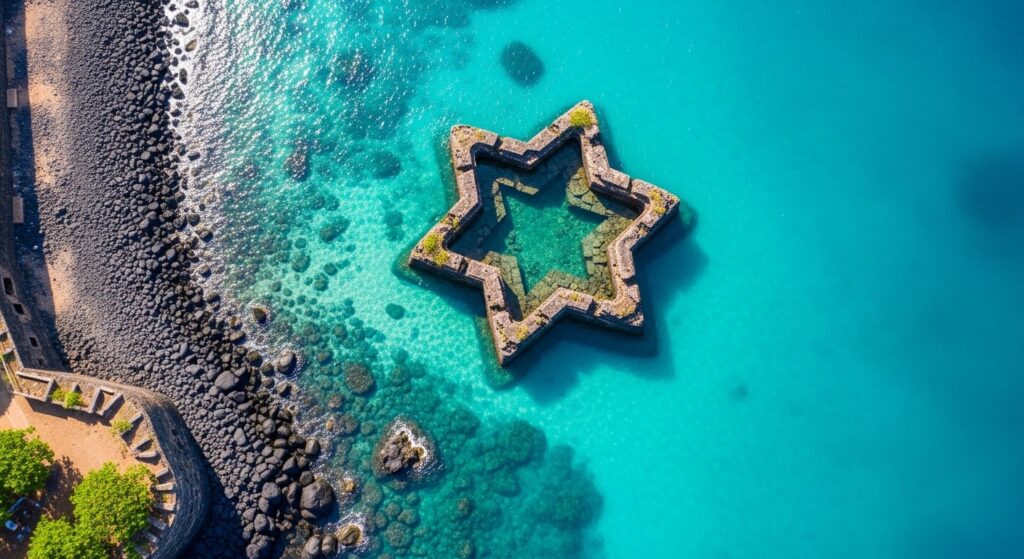
There is the prehistoric geological landscape.
There are centuries-old fishing communities.
There is the Portuguese military presence.
There are later transformations under British and Indian rule.
And now there is the rapidly expanding Mumbai metropolitan region.
All these histories occupy the same landscape.
The challenge is making sure the newest layer does not completely erase the oldest.
As the monsoon waves continue to hit the coast and modern Vasai continues to expand, these forgotten basalt walls remain silent witnesses.
They remind us that Mumbai’s history does not end at its famous landmarks.
Sometimes the most fascinating stories are hidden behind the last building, beyond the paved road and beneath the monsoon vegetation.
And perhaps the real adventure is not simply discovering a forgotten fort.
It is discovering **the forgotten history of the landscape itself.**