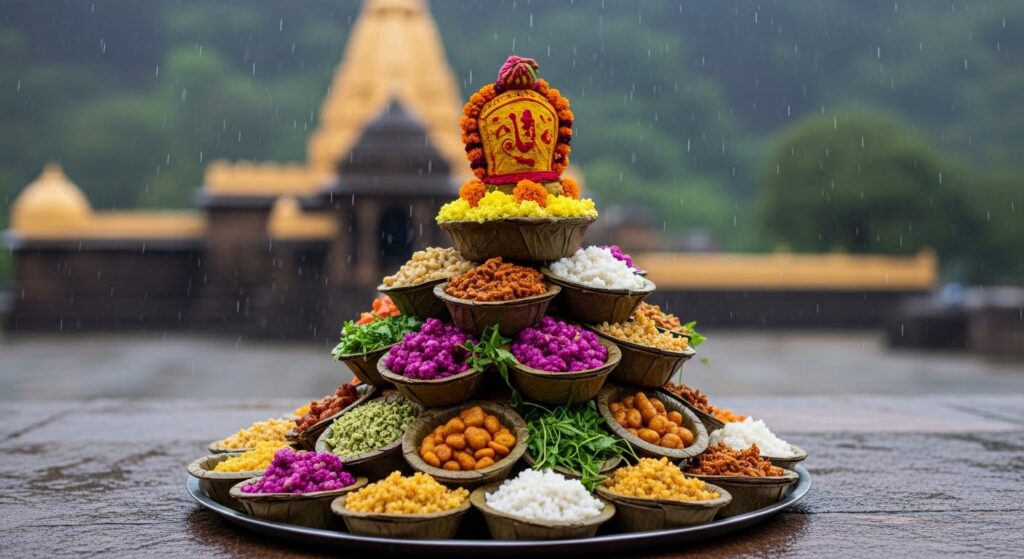
Discovering the True Flavors of the Sahyadris During the Monsoon
For most visitors, a trip to Bhimashankar begins with prayers at the sacred Jyotirlinga and ends with a quick plate of vada pav or steaming chai from the stalls outside the temple. But if you venture a little farther into the rain-soaked villages surrounding the sanctuary, you’ll discover a completely different side of the Sahyadris—one where food is deeply connected to the forest, the seasons, and centuries-old traditions. During the monsoon, the mountains come alive with edible wild greens, medicinal herbs, fresh vegetables, and smoky wood-fired meals that have nourished local communities for generations. This is not restaurant cuisine or tourist food. It is authentic tribal cooking shaped by the rhythms of nature and the wisdom of the people who have lived alongside these forests for centuries.
The Green Cathedral of the Sahyadris
August transforms the Bhimashankar Wildlife Sanctuary into a vibrant green paradise. Thick clouds wrap around ancient trees, waterfalls thunder down moss-covered cliffs, and every corner of the forest seems to burst with new life. This unique environment creates the perfect conditions for seasonal plants and wild vegetables that appear only during the rainy months. The forests surrounding Bhimashankar are home to communities such as the Mahadev Koli, who have traditionally depended on local agriculture, forest resources, and seasonal foods. Their knowledge of edible plants, sustainable harvesting, and traditional cooking methods has been passed down through generations. While many trekkers rush directly to viewpoints and waterfalls, these communities quietly continue culinary traditions that are as much a part of the region’s heritage as the ancient temple itself.
The Monsoon Harvest: Nature's Seasonal Kitchen

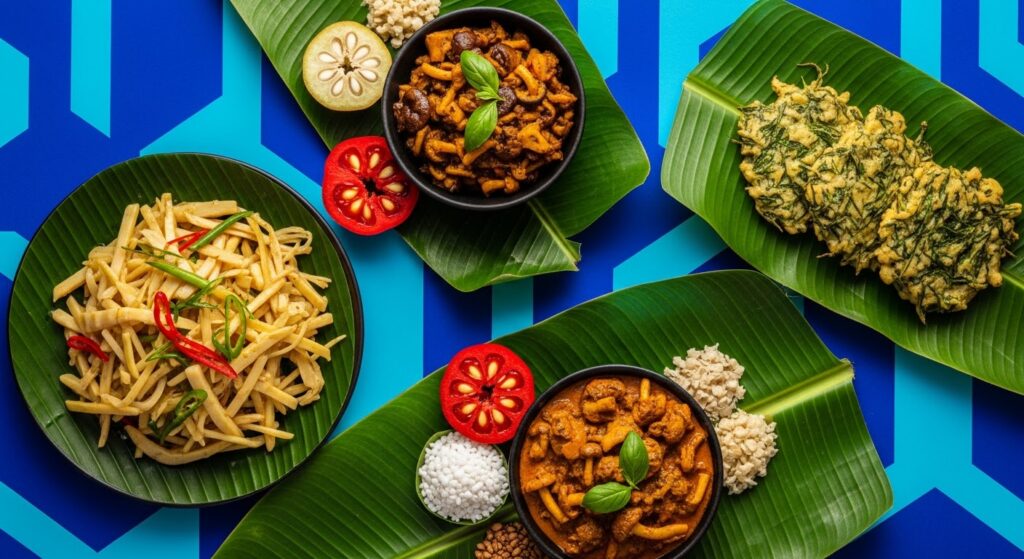
The heavy rains bring a remarkable variety of wild vegetables, commonly known in Maharashtra as Ran-bhaji (forest greens). These are not ordinary vegetables found in city markets but seasonal plants that emerge naturally during the monsoon. Popular varieties include Shevla, Kartoli (spiny gourd), and other locally available greens whose availability depends on rainfall and the local ecosystem. These ingredients are prized not only for their distinctive flavors but also for their nutritional value, providing essential vitamins, minerals, and dietary diversity during the rainy season.
It is important to note that foraging within protected areas such as the Bhimashankar Wildlife Sanctuary is regulated. Visitors should never collect wild plants inside the sanctuary without permission. The best way to experience these traditional ingredients is by enjoying meals prepared by local households or eateries that source them responsibly from permitted areas or nearby farms. Supporting local communities helps preserve both the cuisine and the knowledge behind it.
The Warmth of a Traditional Tribal Kitchen
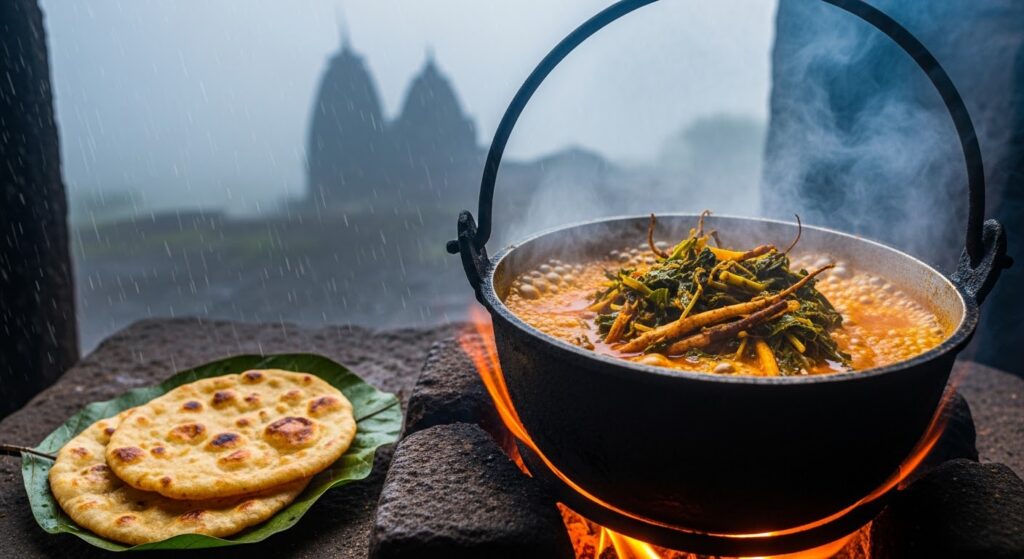
Stepping into a village kitchen after walking through the cool monsoon rain is an unforgettable experience. The aroma of burning firewood fills the air as meals are prepared on a traditional chulha, an earthen or stone stove fueled by wood. Unlike modern gas cooking, the slow heat of the wood fire imparts a subtle smoky flavor that enhances every ingredient.
Simple tools made of stone, clay, and wood are still used in many homes. Freshly harvested vegetables are cleaned by hand, spices are ground using traditional grinding stones, and dough is kneaded with care before being shaped into thick millet flatbreads. Every stage of cooking reflects patience rather than speed, allowing natural flavors to develop fully. The result is food that is rustic, nourishing, and deeply satisfying after a long trek through the rain.
Thecha: The Fiery Heart of Maharashtrian Cuisine
No traditional meal in this region feels complete without Thecha, a fiery condiment made by crushing green chilies, garlic, and salt, often with roasted peanuts or fresh coriander depending on local preference. Instead of using electric mixers, many families still prepare it by hand on a stone grinding slab, creating a coarse texture that retains the freshness of the ingredients.
The sharp heat of Thecha pairs beautifully with simple meals, adding warmth that is especially welcome during cool, rainy weather. Though deceptively simple, its bold flavors represent the straightforward yet vibrant character of rural Maharashtra.
Bhakri and Seasonal Delicacies
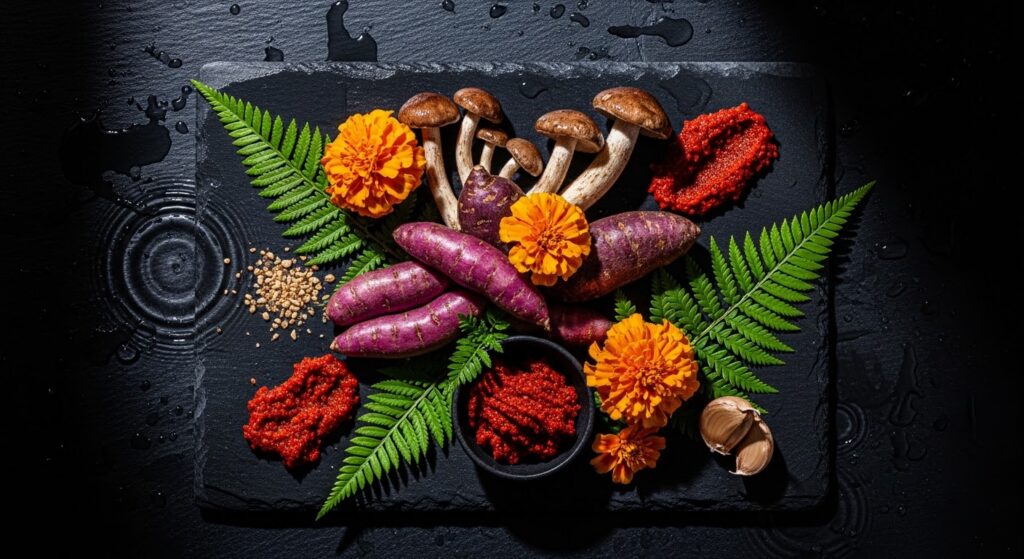
The centerpiece of many tribal meals is Bhakri, a thick flatbread traditionally made from millet such as jowar or bajra, depending on seasonal availability. Cooked directly over an open flame, Bhakri develops a lightly charred crust while remaining soft inside. It is typically served with seasonal vegetables, lentils, and spicy accompaniments that highlight the freshness of locally grown ingredients.
During the monsoon, meals may feature preparations of forest greens, fresh vegetables, simple dals, and locally cultivated produce. Some households also prepare comforting rice dishes and traditional Maharashtrian curries using ingredients harvested from nearby farms. These meals are designed not only to satisfy hunger but also to provide warmth and energy during the rainy season.
Local Delicacies Around Bhimashankar
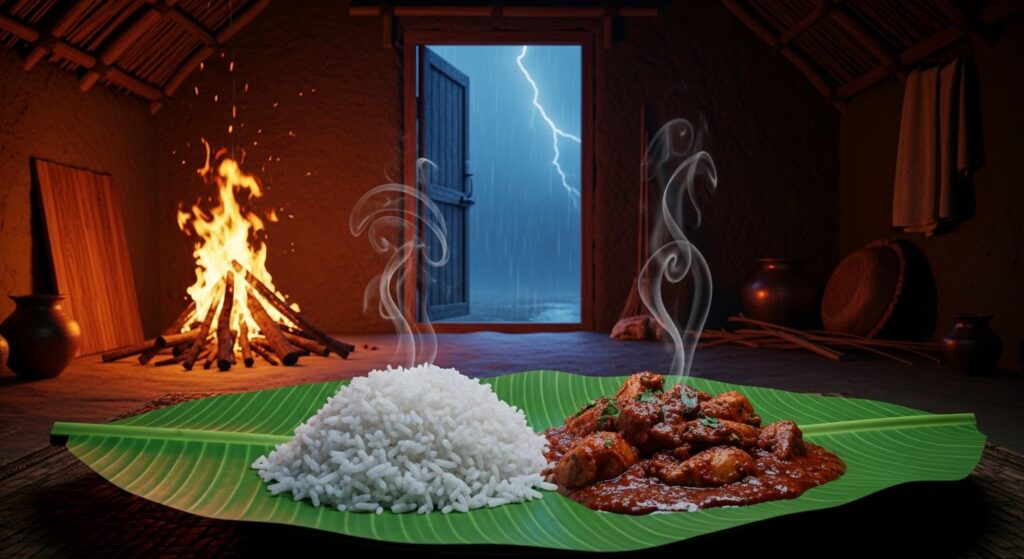
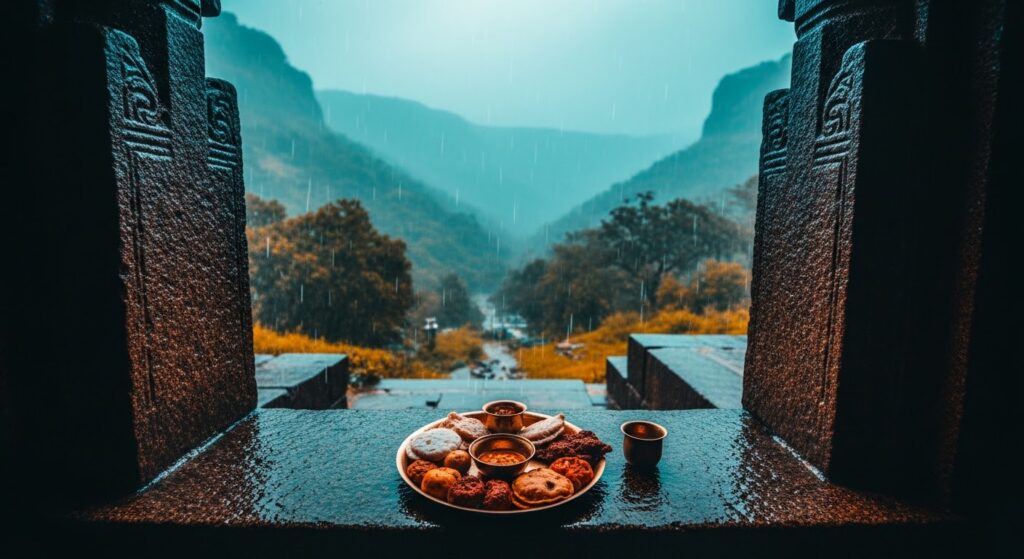
Beyond tribal cuisine, visitors can enjoy several beloved Maharashtrian dishes at local eateries near the temple. Popular options include Poha, Misal Pav, Vada Pav, Kanda Bhaji, Pithla Bhakri, steaming cups of cutting chai, and simple vegetarian thalis. Fresh corn roasted over charcoal, seasonal pakoras, and locally made sweets often make welcome snacks after a day of trekking.
Many of these foods are prepared using recipes that have remained unchanged for decades, reflecting the agricultural traditions of the surrounding villages. While they may appear simple, their freshness and authenticity create a memorable dining experience.
A Meal That Reflects the Landscape
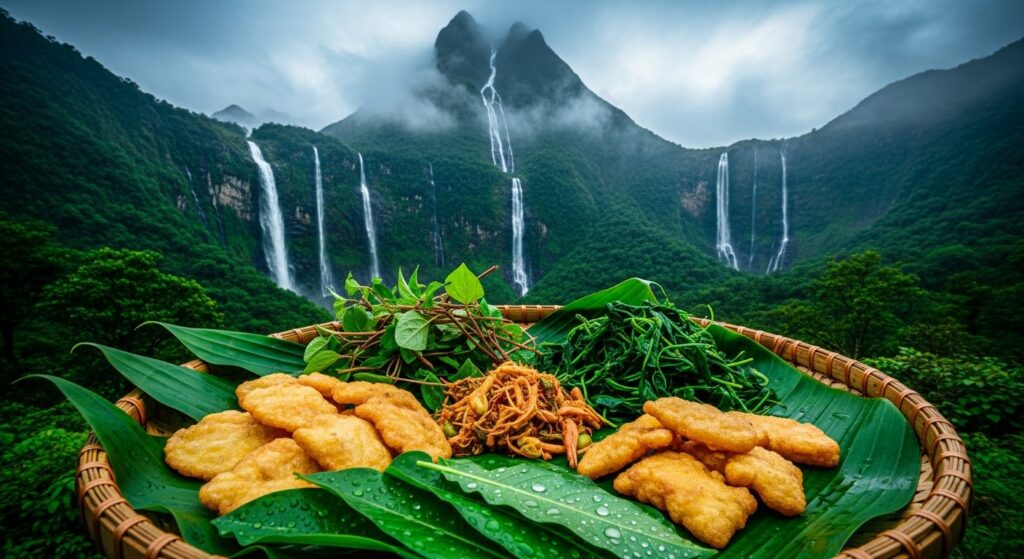
One of the most remarkable aspects of eating near Bhimashankar is how closely the flavors mirror the surrounding environment. The mineral-rich soil, abundant rainfall, and cool climate influence the taste of seasonal vegetables and grains. Slow cooking over wood fires further enhances these natural characteristics, creating earthy, smoky flavors that are difficult to replicate in modern kitchens.
Dining while overlooking mist-covered hills or listening to the sound of rain falling on tiled rooftops transforms a simple meal into a complete sensory experience. Here, food is inseparable from the forest, the weather, and the cultural identity of the people who prepare it.
Responsible Culinary Tourism
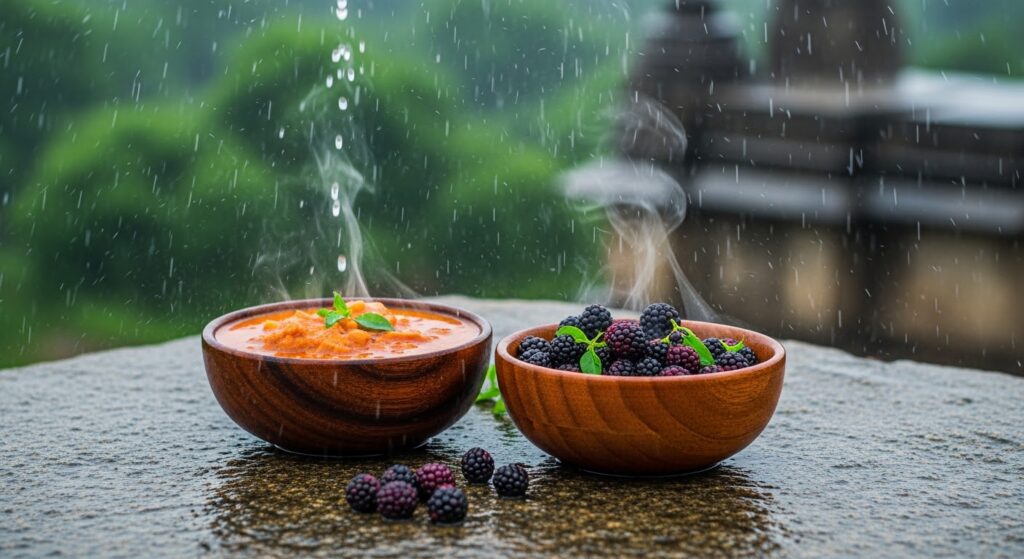
As interest in tribal cuisine grows, responsible tourism becomes increasingly important. Visitors should seek meals from local families, village homestays, or community-run eateries rather than expecting commercial restaurant experiences. Asking permission before photographing people or their homes, respecting local customs, and paying fair prices all contribute to preserving these traditions.
Equally important is protecting the fragile ecosystem of the Bhimashankar region. Visitors should avoid littering, refrain from disturbing wildlife, and never harvest forest plants without authorization. Supporting local businesses, purchasing locally made products, and choosing reusable water bottles instead of disposable plastics are simple ways to contribute positively to the community.
Practical Tips for Food Lovers
If you’re planning a culinary exploration around Bhimashankar during the monsoon, visit between July and September when seasonal ingredients are at their freshest. Start your day early with temple darshan before exploring nearby villages for local meals. Carry cash, as digital payment facilities may be limited in smaller establishments, and remember that many family-run kitchens prepare food only in limited quantities. Patience is essential, as traditional cooking takes time, but the authenticity of the experience makes the wait worthwhile.
Final Thoughts
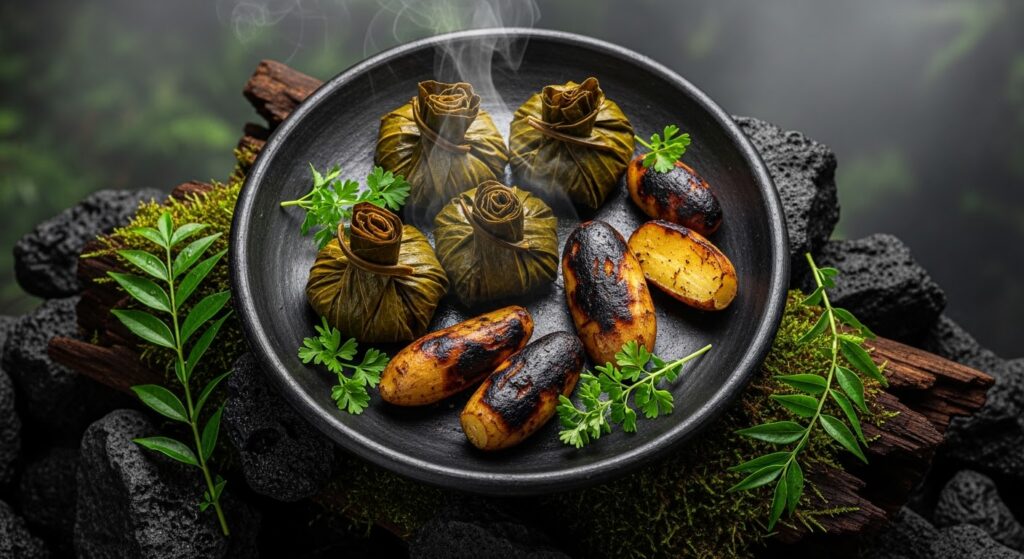
Bhimashankar offers much more than a spiritual journey or a scenic monsoon trek. Hidden among its forests and villages is a culinary heritage shaped by nature, tradition, and generations of local knowledge. The smoky aroma of a wood-fired chulha, the fiery kick of freshly ground Thecha, the wholesome taste of Bhakri, and the seasonal richness of Ran-bhaji together create an experience that goes far beyond a typical meal.
These dishes tell the story of a landscape where people have learned to live in harmony with the forest and its changing seasons. They remind us that the true soul of the Sahyadris is found not only in its ancient temples or misty peaks but also around the warmth of a village hearth, where simple ingredients become extraordinary through tradition, patience, and respect for nature. For travelers willing to slow down and explore beyond the temple gates, the authentic flavors of Bhimashankar are every bit as memorable as its breathtaking landscapes and sacred history.