Solo travel is often presented as the ultimate expression of freedom: one backpack, one train ticket, one beautiful destination and complete control over your itinerary. Social media makes it look effortless. A woman steps off a train in the mountains, checks into a charming homestay, eats local food, meets fascinating strangers and watches the sunset from a hidden viewpoint. What these romanticised images rarely show is the financial calculation happening behind the scenes. For women travelling alone in India, the real cost of a trip is not simply the price of a hotel, train ticket and meals. There can be additional expenses associated with safer transportation, better-located accommodation, single occupancy, reliable connectivity, luggage security, flexible bookings and sometimes simply paying a little more to avoid an uncomfortable situation. Solo travel does not necessarily have to be expensive, but it requires a more intelligent budget.
The first financial reality is that **solo travel removes the economies of sharing**. When two people share a hotel room, taxi, airport transfer or guide, the cost is divided. When you travel alone, you absorb the entire expense. A room costing ₹2,500 does not suddenly become ₹1,250 because you are travelling alone. A taxi costing ₹1,200 remains ₹1,200 whether there are one or three passengers. This is why a destination that appears inexpensive for couples or families can become surprisingly costly for a solo traveller. The solution is not to compromise on safety; it is to understand where sharing is possible and where paying for privacy and security is worth the premium.
Accommodation is usually the biggest place where this difference becomes visible. A solo woman may prefer a hotel or homestay in a central, well-connected neighbourhood rather than the cheapest property on the outskirts. The cheaper room can become expensive if you have to spend ₹500–₹1,000 more every day on transport simply to reach safe and active areas. Location should therefore be treated as part of the accommodation price. A ₹2,200 room close to a railway station, market, restaurants and reliable transport may actually be cheaper overall than a ₹1,500 room located several kilometres away. When comparing hotels, calculate the **total daily cost**, not merely the room tariff.
Solo-occupancy pricing also deserves attention. Some hotels charge per room, while others structure their prices around occupancy, meals or packages. Budget properties may offer very attractive rates for two people but have different pricing for a single guest. Before booking, check the final amount rather than relying on the headline price displayed in a search result. Taxes, breakfast, service charges and cancellation conditions can alter the actual cost. A solo traveller should also consider whether the accommodation has a staffed reception, secure entry, good reviews from women travellers and convenient access to transport. Saving ₹500 on a room is rarely a bargain if it creates anxiety about returning after dark.
Transportation is where the **female safety premium** can become particularly noticeable. A male backpacker may be comfortable taking the cheapest bus, walking two kilometres through an unfamiliar neighbourhood or waiting on an isolated road for public transport. A woman travelling alone may reasonably decide to take a pre-booked cab instead. This does not mean women are incapable of using public transportation; it means personal circumstances and comfort levels can influence transport choices. The correct budget should therefore include a realistic transport reserve instead of assuming that every journey will be completed using the cheapest available option.
For example, imagine a five-day solo trip where public transport costs approximately ₹2,500. That might seem sufficient on paper. But if you arrive at a railway station late at night, need a ₹700 cab to your hotel, take another ₹500 ride to an isolated sightseeing point and require a ₹600 return transfer, your actual transportation cost could rise dramatically. This is why a solo traveller should create a **mobility buffer** before departure. Instead of budgeting only for planned transportation, keep an additional amount specifically for situations where paying more provides a safer or more practical option.
Rail travel can be one of the most economical ways to explore India. For many solo travellers, trains provide an excellent combination of affordability, connectivity and the opportunity to experience different regions. But class selection matters. The cheapest available ticket is not always the best option for every journey. Depending on the route and time of travel, you may prefer a more comfortable or secure class, particularly for overnight journeys. The additional cost should be viewed as part of the travel experience and personal comfort rather than simply an unnecessary upgrade.

Buses can also offer excellent value, especially for shorter regional journeys, but again the decision should be based on the entire itinerary. A bus that saves ₹400 but arrives at an inconvenient location at midnight may create an expensive and stressful final transfer. Sometimes spending more on a direct connection saves money elsewhere. This is the principle of **strategic resource allocation**: do not automatically spend more everywhere, but spend more where it removes a genuine problem.
Food is an area where solo women can actually save significantly. You do not need to eat at expensive restaurants simply because you are travelling alone. India offers extraordinary regional food at almost every budget level. Local breakfast, thali meals, small family-run restaurants and reputable street-food stalls can keep daily food expenses surprisingly low. However, food hygiene should never be sacrificed simply to meet a budget target. A ₹100 meal that leaves you sick can ultimately cost thousands in medicine, missed transport and changed hotel bookings. Look for busy establishments with good turnover and reasonable hygiene standards, especially when eating alone.
One of the biggest advantages of solo travel is that **you control your food schedule**. You can have breakfast at a local stall, skip an expensive lunch, enjoy a regional snack in the afternoon and spend more on a memorable dinner. You do not have to compromise with another person’s preferences. This flexibility allows you to build a travel budget around experiences rather than fixed meal routines.
Another hidden expense is connectivity. A functioning phone is a safety tool as much as a travel convenience. Mobile data allows you to book transport, use maps, contact your accommodation, make digital payments and share your location. A small power bank can also be worthwhile. For solo travellers, connectivity should therefore be included in the travel budget rather than treated as an optional luxury. If you are travelling to remote mountain, forest or coastal areas, check network availability before assuming that your normal connectivity will work everywhere.
Then there are the **small expenses that destroy travel budgets**. Bottled water, snacks at railway stations, ATM charges, luggage storage, local autos, entry tickets, camera fees, parking charges, convenience-store purchases and unexpected changes to an itinerary may each appear insignificant. But ten ₹100 expenses become ₹1,000 very quickly. The solution is not to eliminate every small pleasure. Instead, track them. A simple note on your phone showing today’s spending can prevent the classic problem of discovering on the final evening that you have already exceeded your budget.
A useful approach is to divide your travel money into five categories: **transportation, accommodation, food, experiences and safety/emergency reserve**. The percentages will vary depending on the destination, but the principle remains useful. Your emergency reserve should not be treated as money available for shopping or sightseeing. It is there for unexpected transport, medical needs, accommodation changes, lost belongings or other genuine emergencies. Ideally, keep a portion accessible through a separate payment method so that losing your wallet does not mean losing access to all your funds.
Digital payments have made travelling in India considerably easier, but carrying a small emergency cash reserve remains sensible. UPI and cards may not work everywhere, particularly in remote areas or during connectivity problems. At the same time, carrying large amounts of cash creates its own risk. A balanced strategy is to use digital payments for everyday transactions while maintaining a modest amount of cash for locations where electronic payment is unavailable.
Travel insurance is another cost that many budget travellers initially consider unnecessary. For a short domestic trip, the decision depends on the destination, activities and personal circumstances, but travellers should understand what their existing insurance actually covers. If you are planning trekking, adventure activities, remote travel or expensive prepaid arrangements, insurance can become particularly valuable. The cheapest policy is not automatically the best policy; read exclusions, claim conditions and activity coverage before purchasing.
The biggest budgeting mistake is creating a trip based on the **absolute minimum possible cost**. Suppose someone tells you that a particular destination can be explored for ₹1,000 per day. That figure may be technically achievable under very specific conditions—shared accommodation, inexpensive meals, public transport, minimal activities and no unexpected expenses. But if you are travelling alone and want flexibility, a realistic budget should be higher. The goal should be to create a budget you can comfortably maintain, not one that forces you to make uncomfortable decisions every day.
Consider a hypothetical five-day solo trip. A basic plan might look like this: ₹6,000 for accommodation, ₹3,000 for intercity and local transport, ₹2,500 for food, ₹1,500 for sightseeing and activities, ₹1,000 for miscellaneous expenses and ₹3,000 as an emergency reserve. That gives a working budget of around **₹17,000**, excluding major airfare or long-distance transportation that may vary dramatically by destination. A more comfortable trip could easily move towards ₹25,000–₹35,000, while an experienced budget traveller using trains, hostels and local transport could spend considerably less. The important point is that the budget should reflect your actual travel style rather than someone else’s social-media claim.
The concept of a **safety premium** should also be understood carefully. It does not mean that women must automatically spend huge amounts to travel safely. It means recognising situations where a small additional expenditure can meaningfully improve your options. Paying ₹300 more for a direct auto instead of walking through an isolated area may be sensible. Spending ₹500 more for a centrally located hotel may save money on transportation and reduce late-night exposure. Choosing a slightly better train class for an overnight journey may improve comfort and peace of mind. These are not wasteful expenses when they serve a clear purpose.
At the same time, safety should not become an excuse for overspending. You do not need the most expensive hotel, private chauffeur, premium restaurant or luxury tour package simply because you are a woman. The objective is **informed spending**. Research the destination, understand local transportation, read recent reviews, identify active neighbourhoods and decide beforehand which expenses are worth paying for. Good financial planning allows you to spend more selectively.
Solo travel also provides an opportunity to experience India’s less expensive and more authentic destinations. Instead of concentrating entirely on high-priced tourist circuits, explore smaller towns, regional food markets, heritage neighbourhoods, local festivals and nature destinations where accommodation and food may be considerably cheaper. But “offbeat” should never mean “isolated without preparation.” An authentic experience is valuable only when you have reliable transport, communication and accommodation.
Before leaving home, create a **three-layer money system**. Keep your everyday spending money in your primary digital account or wallet. Maintain a secondary payment method—such as another card or account—in case your primary method fails. Then keep an emergency reserve separate from your normal spending. This simple structure prevents one lost wallet, blocked card or failed transaction from turning into a crisis.
Finally, remember that the true cost of solo travel is not measured only in rupees. You are also investing in independence, confidence, decision-making and the ability to understand a place on your own terms. A woman travelling alone through India learns how to negotiate an auto fare, read a railway timetable, order food in an unfamiliar language, change plans when weather disrupts a journey and make decisions without depending on a companion. Those experiences have a value that does not appear in a spreadsheet.

The smartest solo travel budget therefore does not ask, **“How cheaply can I travel?”** It asks, **“How can I use my money to maximise experience, flexibility and personal security?”** Spend carefully on accommodation, transport and connectivity. Save intelligently on food and unnecessary luxuries. Keep an emergency reserve. Track small expenses. Research before booking. And never let the pressure to travel cheaply force you into a situation that makes you uncomfortable.
India is enormous, diverse and remarkably accessible to travellers with different budgets. From a ₹500 local meal to a luxury heritage stay, from an overnight train to a private transfer, the country offers an extraordinary range of possibilities. For women travelling alone, the key is not to eliminate every additional expense but to understand which costs genuinely protect your independence and which are simply unnecessary.
**Solo travel is not about proving that you can survive on the smallest possible budget. It is about having enough financial freedom to make good decisions when circumstances change.** Once you understand that difference, budgeting becomes more than a spreadsheet—it becomes one of the most powerful tools for travelling confidently, safely and independently across India.
Walking Through a Vanishing Landscape
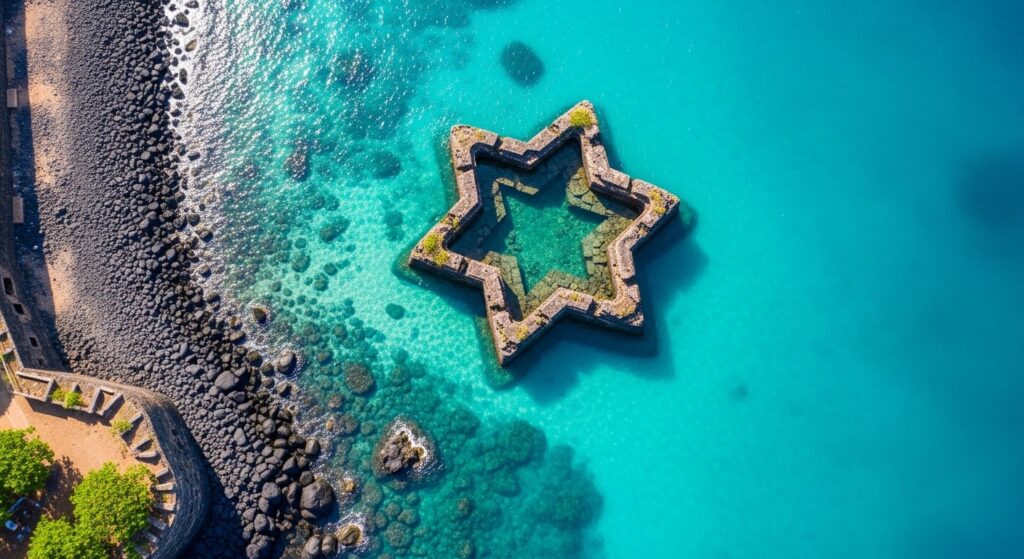
There is the prehistoric geological landscape.
There are centuries-old fishing communities.
There is the Portuguese military presence.
There are later transformations under British and Indian rule.
And now there is the rapidly expanding Mumbai metropolitan region.
All these histories occupy the same landscape.
The challenge is making sure the newest layer does not completely erase the oldest.
As the monsoon waves continue to hit the coast and modern Vasai continues to expand, these forgotten basalt walls remain silent witnesses.
They remind us that Mumbai’s history does not end at its famous landmarks.
Sometimes the most fascinating stories are hidden behind the last building, beyond the paved road and beneath the monsoon vegetation.
And perhaps the real adventure is not simply discovering a forgotten fort.
It is discovering **the forgotten history of the landscape itself.**