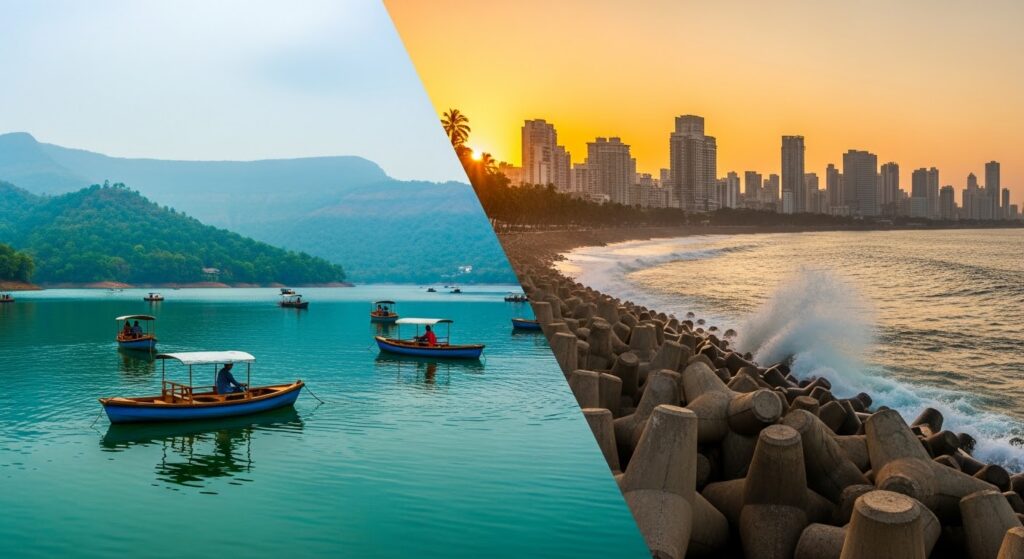
There are few places in western India that evoke emotion as powerfully as Mumbai’s Marine Drive and Saputara Lake. One stands beside the restless Arabian Sea, where waves crash relentlessly against tetrapods under the glow of the iconic Queen’s Necklace. The other rests quietly in the heart of Gujarat’s only hill station, surrounded by mist-covered Sahyadri peaks and emerald forests. At first glance, they seem impossible to compare. One represents speed, ambition, and the heartbeat of India’s financial capital. The other symbolizes silence, reflection, and nature’s slow rhythm. Yet both possess a remarkable ability to calm the human mind. The question is not which destination is better, but which body of water your heart needs at this moment.
Water has always influenced human emotions. Psychologists often describe flowing water as a natural regulator of stress because its repetitive patterns allow the brain to relax without demanding attention. However, not all waterscapes communicate in the same language. The Arabian Sea speaks through powerful waves, salty winds, and endless horizons, while Saputara Lake whispers through gentle ripples, mountain reflections, drifting clouds, and quiet mornings. Experiencing both within the same season offers an extraordinary perspective on how landscapes shape our internal pace.
Marine Drive: Where the City Breathes Through the Sea
Mumbai’s Marine Drive is much more than a coastal road. It is the emotional balcony of India’s financial capital. Every evening, thousands of people gather along the promenade—office workers escaping stressful boardrooms, students discussing dreams, photographers chasing dramatic sunsets, runners maintaining fitness routines, elderly couples reliving memories, and tourists experiencing the city’s most iconic skyline.
Standing beside the Arabian Sea, you immediately notice something unusual. Although traffic flows continuously behind you, the crashing waves create a powerful layer of white noise. Instead of amplifying the chaos, the sea somehow absorbs it. The repetitive rhythm of water striking the tetrapods gradually replaces the sounds of honking vehicles and conversations.
Marine Drive represents a fascinating contradiction. It is one of the busiest public spaces in India, yet many visitors come here seeking solitude. Thousands of strangers sit only a few feet apart without speaking to one another, each privately watching the same horizon. It is a rare example of collective solitude, where people find personal peace while sharing the same public space.
As sunset approaches, the city undergoes another transformation. Streetlights illuminate the sweeping curve of Marine Drive, creating the famous Queen’s Necklace—one of the world’s most recognizable urban skylines. The sea reflects shimmering lights while waves continue their timeless rhythm. In that moment, Mumbai feels less like a crowded metropolis and more like a city breathing in harmony with the ocean.
Saputara Lake: Where Silence Becomes the Destination
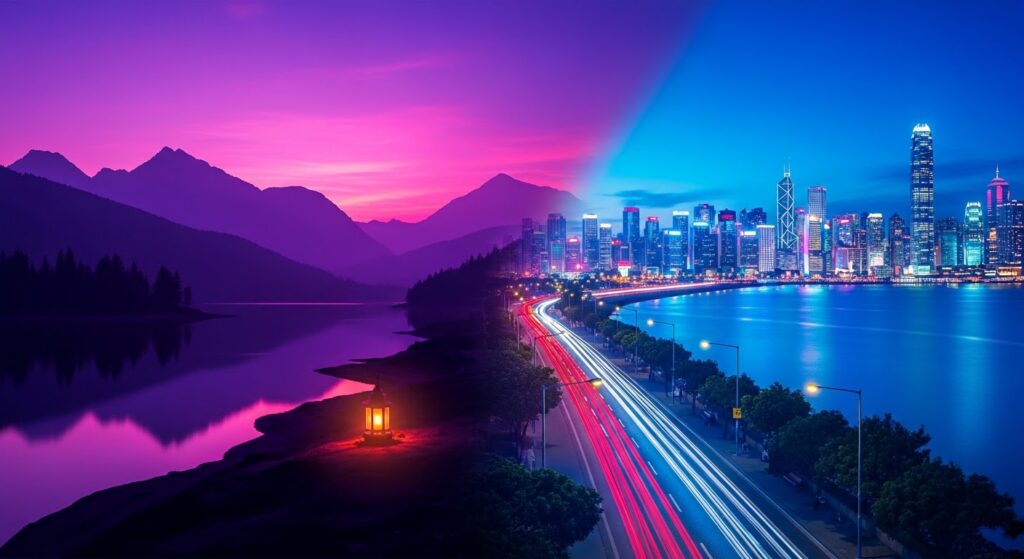
Hundreds of kilometres away, high in the Sahyadri Mountains, lies an entirely different experience. Saputara Lake does not roar; it barely speaks. During the 2026 monsoon, clouds descend over the surrounding hills, often reducing visibility to just a few metres. The atmosphere changes from energetic to meditative.
Unlike Marine Drive’s endless horizon, Saputara Lake creates intimacy. Mountains embrace the water from every direction, while dense forests soften every sound. Early mornings often begin with mist floating just above the lake’s surface, creating reflections so perfect that the boundary between sky and water almost disappears.
Walking along the lakefront, there is no urgency. People stroll slowly rather than rushing. Families stop to photograph drifting clouds instead of checking the time. Paddle boats replace speeding traffic. Conversations naturally become quieter, almost as though the landscape itself encourages lower voices.
During the monsoon, every change in weather transforms the scenery. A gentle breeze creates ripples across the lake, followed moments later by complete stillness. Sunlight occasionally breaks through heavy clouds, illuminating sections of water before disappearing once again behind drifting mist. Unlike the predictable rhythm of ocean waves, Saputara offers constant visual surprises shaped entirely by nature.
Saltwater Energy vs Freshwater Calm
The most striking difference between these destinations lies not in their appearance but in the emotions they evoke.
Marine Drive encourages release. Many visitors arrive carrying emotional weight accumulated through deadlines, traffic, meetings, and the relentless pace of metropolitan life. Watching enormous waves crash against the coastline provides a sense of emotional cleansing. The sea appears to absorb anxiety with every breaking wave. There is movement, energy, and momentum.
Saputara Lake, however, encourages reflection rather than release. Instead of overwhelming your senses, it gently slows them. The absence of constant urban stimulation allows thoughts to settle naturally. The lake does not demand attention—it patiently waits for visitors to become still enough to notice its subtle beauty.
- One location helps you let go.
- The other helps you reconnect.
- Neither experience is superior because both address different emotional needs.
Two Landscapes, Two Different Clocks
Perhaps the greatest contrast between Mumbai and Saputara is their relationship with time.
Mumbai measures life in minutes.
- Morning trains.
- Office deadlines.
- Traffic signals.
- Business meetings.
Even leisure often follows strict schedules.
Marine Drive offers temporary escape, but the city always reminds you that time continues moving forward.
Saputara exists on an entirely different clock. Fog delays sunrise. Rain determines travel plans. Clouds decide whether valleys remain hidden or suddenly appear. Instead of controlling the environment, visitors adapt to nature’s rhythm. Here, waiting becomes part of the experience rather than an inconvenience.
This slower pace gradually influences your own breathing, walking speed, conversations, and even your photography. Instead of rushing between attractions, you begin appreciating simple moments—the movement of clouds, birds crossing the lake, distant rainfall on mountain slopes, and reflections changing every few minutes.
The Soundtrack of Peace

Every destination has its own soundtrack.
Marine Drive plays the symphony of crashing waves, distant conversations, seagulls, speeding cars, and the occasional laughter echoing across the promenade. Surprisingly, these sounds blend together into an atmosphere that feels comforting rather than overwhelming.
Saputara replaces this urban orchestra with natural silence. Birds become the loudest voices. Rain tapping against leaves creates delicate rhythms. Wind moving through forests produces soft whispers. Even during tourist season, there are moments when only the sound of paddle boats gently cutting through water interrupts the stillness.
Both soundscapes reduce stress—but through entirely different methods.
The sea masks noise.
The mountains remove it.
Photography: Capturing Motion and Reflection
For photographers, these two waterscapes offer completely different creative opportunities.
Marine Drive rewards wide-angle compositions featuring dramatic coastlines, moving traffic, illuminated skylines, and long-exposure images of crashing waves. Golden hour transforms the city into a spectacular blend of architecture, light, and ocean energy.
Saputara, especially during monsoon, encourages intimate landscape photography. Mist becomes the primary subject rather than distant mountains. Reflections dominate compositions. Soft lighting reduces harsh shadows, allowing photographers to capture delicate details often lost under bright sunlight.
The camera adapts to each environment just as the traveller does.
Which Destination Offers True Peace?
The answer depends entirely on your emotional state.
If life feels overwhelming, emotions are overflowing, and you need somewhere to release accumulated stress, Marine Drive offers extraordinary therapeutic value. The endless horizon reminds you that your problems occupy only a tiny fraction of the world’s vastness.
If your mind feels exhausted rather than overwhelmed—if you seek clarity instead of distraction—Saputara Lake becomes the perfect sanctuary. Its quiet waters encourage introspection without demanding anything in return.
Some journeys require energy.
Others require silence.
Understanding the difference transforms travel from simple sightseeing into genuine emotional restoration.
Travel Tips for 2026
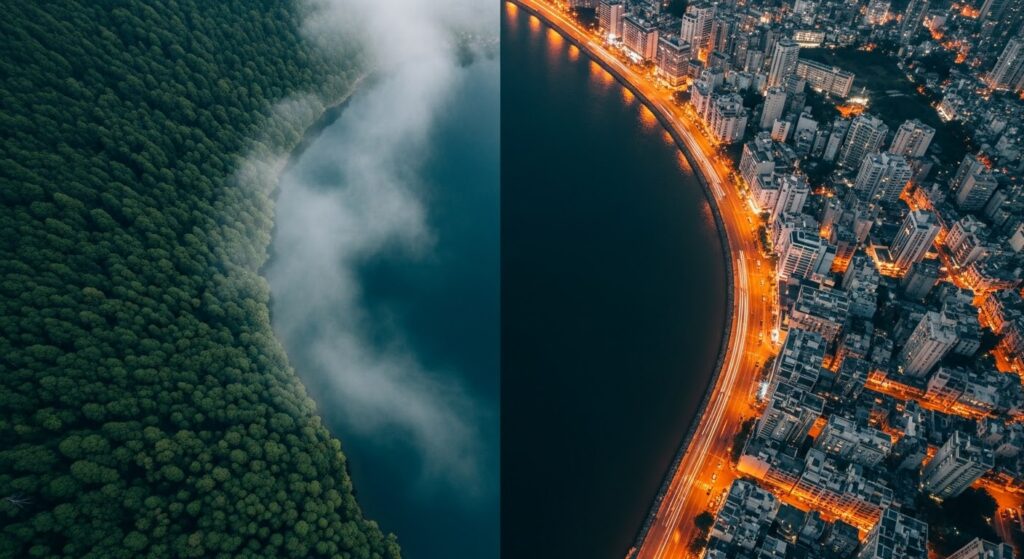
For Marine Drive, the ideal months remain October through February, when cooler temperatures make evening walks especially enjoyable. Monsoon visits during June to September offer spectacular wave action but require caution, as authorities frequently restrict access to sections of the promenade during rough seas.
For Saputara, the best experience comes during July, August, and early September, when the Sahyadri hills are covered in lush greenery and drifting mist creates breathtaking landscapes. Weekday visits provide a quieter atmosphere, while early mornings offer the highest chances of witnessing dramatic cloud formations over the lake.
Final Reflections: Water Finds the Heart’s Frequency
Perhaps the greatest lesson these two destinations teach us is that peace has many forms.
Sometimes peace arrives as thunderous Arabian Sea waves crashing endlessly against Mumbai’s shoreline, reminding us to let our worries dissolve into the horizon.
Sometimes peace appears as silent reflections floating across Saputara Lake beneath drifting monsoon clouds, inviting us to slow down and simply exist.
One body of water energizes the soul.
The other gently restores it.
The true secret is not choosing between Marine Drive and Saputara Lake—it is recognizing which rhythm your heart needs today. Whether you find yourself listening to the powerful roar of the Arabian Sea or watching the quiet reflections of a mountain lake, both journeys ultimately lead to the same destination: a calmer mind, a lighter heart, and a deeper appreciation of how nature shapes the way we experience life.