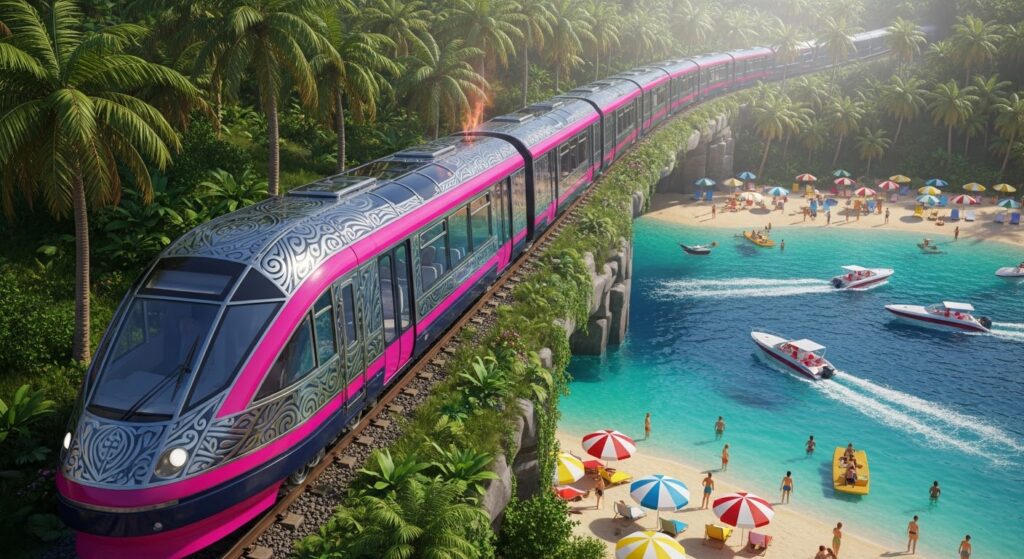
What happens when a place that once required a long, difficult road journey suddenly becomes accessible by rail?
Deep inside Maharashtra’s Sahyadri mountains, the Konkan coast has long existed at a different pace. Remote villages, coconut groves, mango orchards, forested valleys and quiet beaches have remained relatively insulated from the tourism explosion experienced by destinations closer to Mumbai and Pune.
Now, better railway connectivity is poised to change that equation.
The promise is enormous: easier travel, new businesses, stronger local economies and greater visibility for communities that have historically struggled with geographic isolation.
But there is another side to the story.
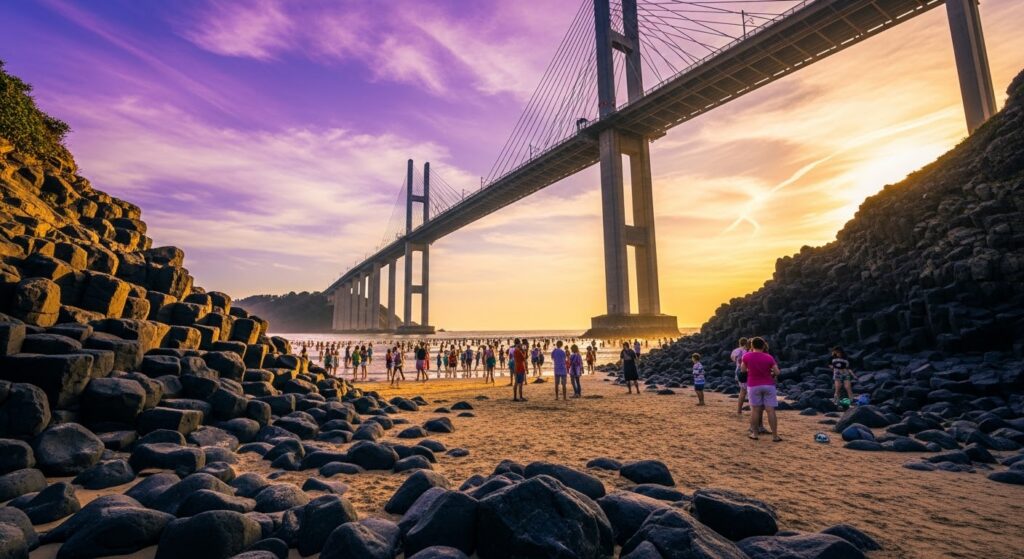
When accessibility increases, visitor numbers can rise faster than local infrastructure can handle them.
The same railway that brings prosperity can also bring plastic waste, construction pressure, traffic, commercialization and the gradual transformation of fragile ecosystems.
The future of Konkan tourism may therefore depend not simply on how quickly we connect the coast, but on how responsibly we manage that connection.
The Iron Path to the Hidden Coast
For decades, travelling deep into the Konkan often meant accepting long road journeys.
The landscape itself created the challenge.
The Sahyadris rise sharply from the coast, creating a dramatic combination of mountains, valleys and rivers. Roads wind through this terrain, often making journeys considerably longer than the distance on a map suggests.
For travelers from Mumbai or Pune, some remote coastal destinations could feel like expeditions rather than weekend getaways.
Rail connectivity changes that psychology.
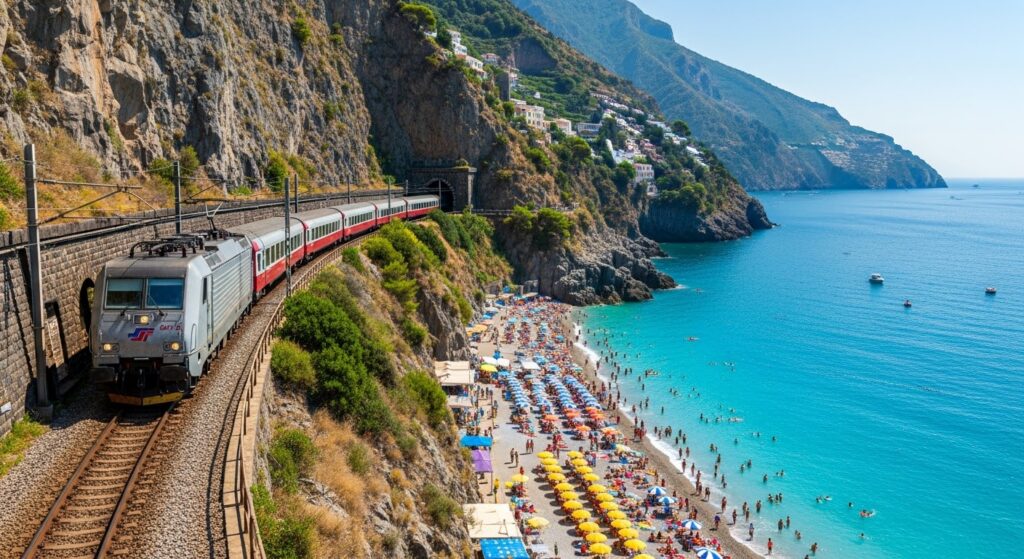
A train doesn’t simply reduce travel time.
It changes the perceived distance of a destination.
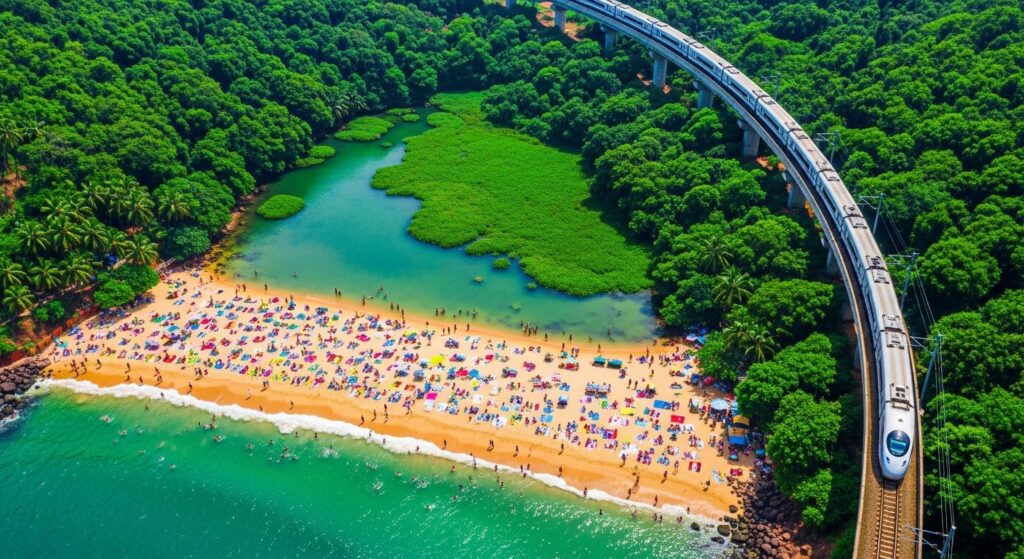
A village that once felt remote can suddenly become accessible to families, backpackers, photographers, cyclists and weekend travelers.
For local communities, the arrival of more trains can be equally significant.
Imagine a hamlet that has spent generations watching young people leave for Mumbai, Pune or other cities because there were limited employment opportunities locally.
Now, the railway arrives.
- Suddenly, the village has a connection to millions of potential customers.
- That connection can become an economic lifeline.
- From Ancestral Homes to Homestays
One of the most immediate effects of improved connectivity could be the transformation of local accommodation.
Across the Konkan, traditional houses sit amid coconut trees, rice fields and mango orchards.
Many are family properties inherited through generations.
For years, some remained underused because there was little economic incentive to convert them into businesses.
- Tourism changes that calculation.
- An ancestral home can become a homestay.
- A traditional courtyard can become an outdoor dining area.
- A family kitchen can become a farm-to-table experience.
- A local fisherman can become a fishing-tour guide.
- A farmer can offer visitors a day among mango and cashew orchards.
The result is a different model of tourism — one in which money can circulate within the village rather than flowing primarily to large hotels and external operators.
Technology makes this even easier.
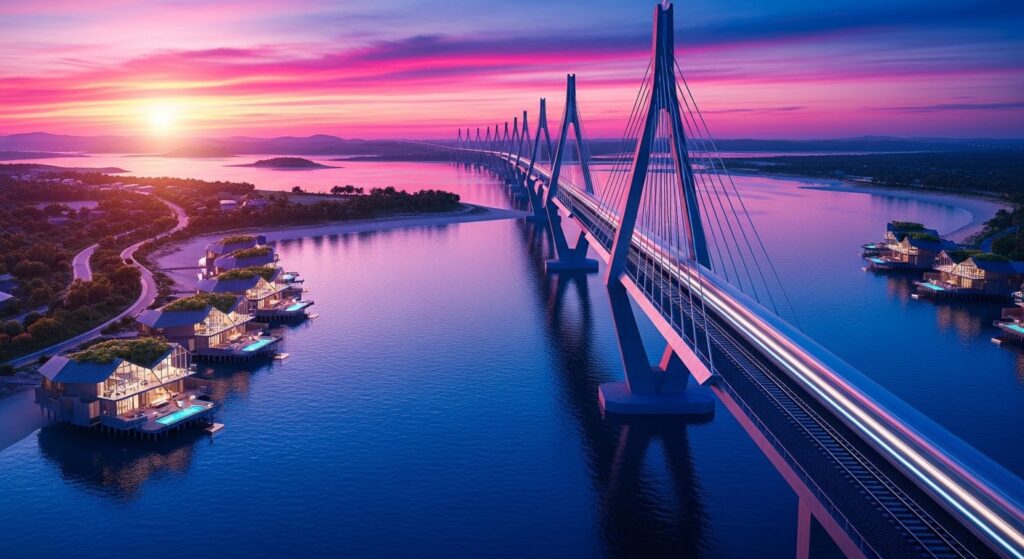
A small homestay can now market itself through Instagram, YouTube, Google Maps and online booking platforms without needing a large advertising budget.
For young Konkan residents, that creates an intriguing possibility:
Instead of leaving the village to find opportunity, they can build an opportunity in the village.
- When Agricultural Land Becomes Tourism Real Estate
- But economic success can create its own problems.
- As travelers discover previously overlooked destinations, land values can rise.
Agricultural properties near beaches, railway stations and scenic valleys can suddenly become attractive to investors.
- A mango orchard may no longer be viewed simply as farmland.
- It may be seen as future tourism property.
- A quiet village road may become commercially valuable.
A coastal plot that once supported a small family home could attract interest from developers.
This transformation can generate wealth for landowners, but it can also create pressure on traditional agriculture and local communities.
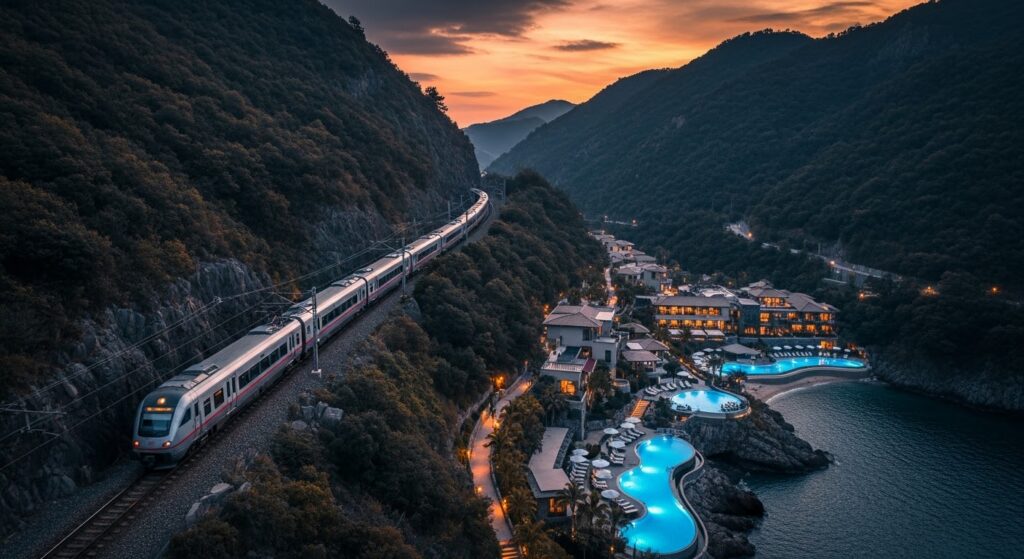
If too much farmland is converted into resorts, parking lots and commercial buildings, the landscape that attracted tourists in the first place begins to disappear.
The paradox is simple: tourism can destroy the very environment it came to see.
Culinary Tourism: The Konkan on a Plate
Connectivity doesn’t only transport people.
It can transport food culture.
Konkan cuisine is one of Maharashtra’s great culinary identities, shaped by the sea, forests, farms and tropical climate.
- Fresh fish.
- Coconut.
- Kokum.
- Rice.
- Cashews.
- Mangoes.
- Local spices.
Traditional preparation methods.
In many villages, recipes are still strongly connected to family and community traditions.
Greater tourism could create a market for these foods.
Instead of serving generic restaurant dishes designed for tourists, villages could develop authentic culinary experiences around local ingredients.
Imagine arriving by train and spending the afternoon learning how a traditional Malvani curry is prepared.
Or visiting a family-run kitchen where seafood is cooked using a recipe passed down through generations.
Or walking through a mango orchard during harvest season.
Or participating in a cashew-processing demonstration.
This is where culinary tourism can become cultural preservation.
A traditional recipe becomes economically valuable because travelers want to experience it.
But commercialization carries a warning.
If menus become standardized solely for tourist preferences, traditional flavours can gradually disappear.
The challenge is to make local food commercially viable without turning it into a manufactured version of itself.
- The Environmental Cost of Connectivity
- The most difficult question is environmental.
- The Western Ghats are one of India’s most ecologically significant landscapes.
They contain dense forests, rivers, waterfalls, wildlife habitats and extraordinary biodiversity.
Railway infrastructure through mountainous terrain requires engineering on a massive scale.
Tunnels, bridges, embankments, drainage systems and track reinforcement can all create environmental challenges.
Then comes the second wave:
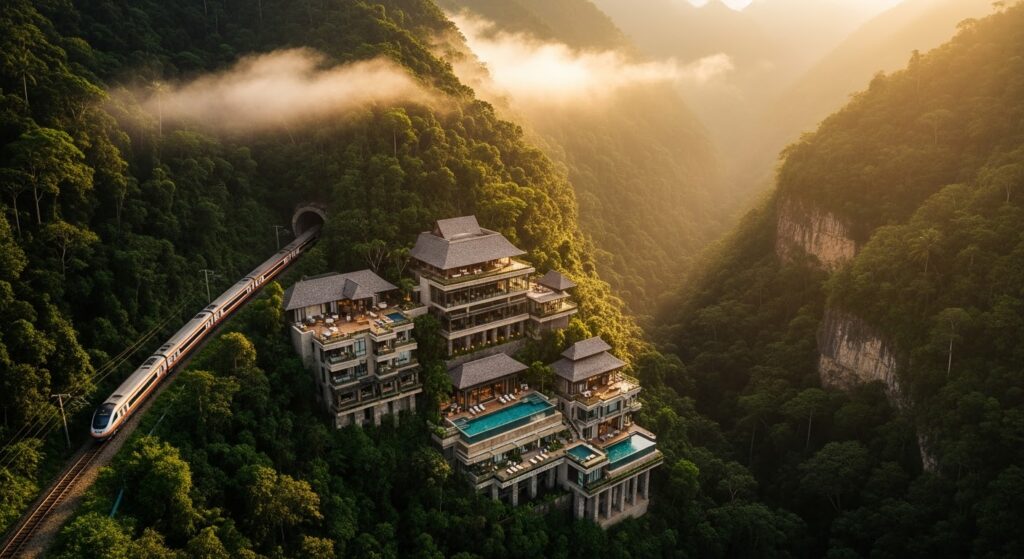
the tourists.
A beach that once received only a handful of visitors can suddenly receive hundreds on a weekend.
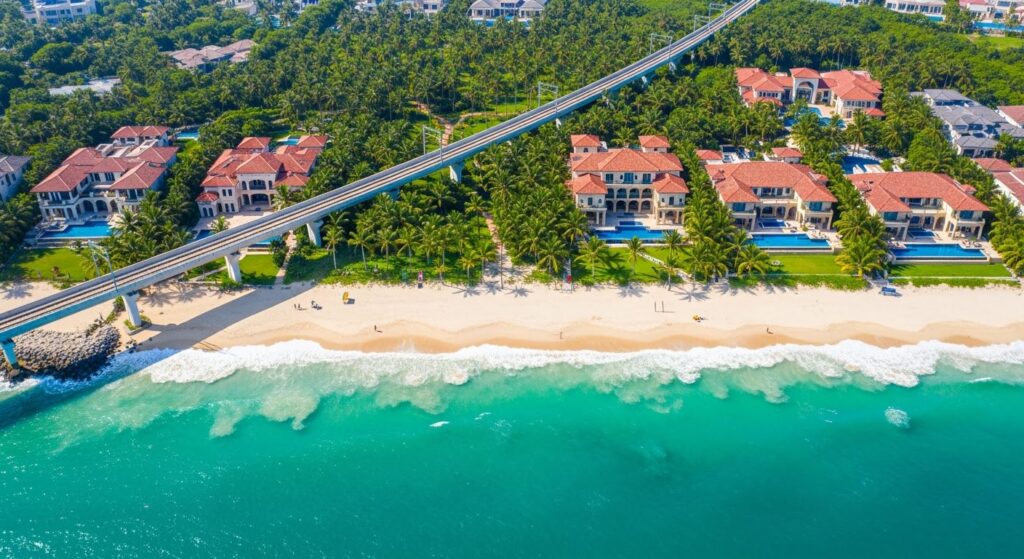
A village road designed for local traffic may become crowded with taxis and private vehicles.
Small beaches can struggle with plastic bottles and food packaging.
Local water supplies can come under pressure.
Sewage systems may not be designed for large seasonal crowds.
Parking becomes a problem.
Noise increases.
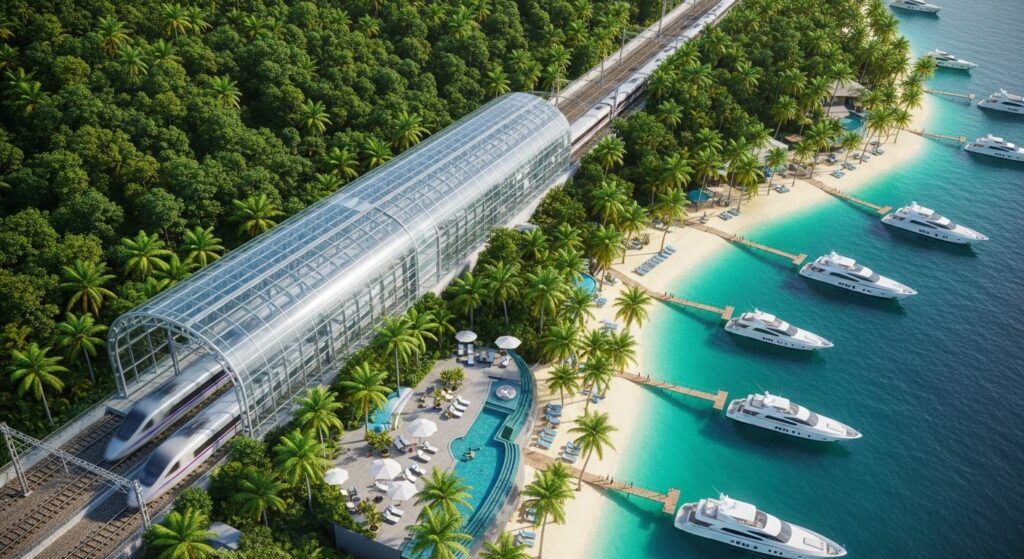
And sensitive landscapes that survived decades of isolation can be transformed within a few tourist seasons.
This is why railway connectivity must be viewed as more than a transportation project.
It is an ecological multiplier.
The Monsoon Factor
The Konkan becomes particularly vulnerable during the monsoon.
The same rains that create spectacular waterfalls, mist-covered mountains and lush green valleys can also increase the risk of landslides, erosion and flooding.
Tourism infrastructure built without understanding the region’s natural drainage patterns can amplify those risks.
- A concrete resort may replace vegetation.
- A road may interrupt natural water flow.
- Unplanned construction on slopes can destabilize fragile terrain.
The monsoon therefore provides a powerful reminder:
- The Konkan landscape is not scenery. It is a living system.
- Infrastructure must work with that system rather than attempting to overpower it.
The Rise of Conscious Travel
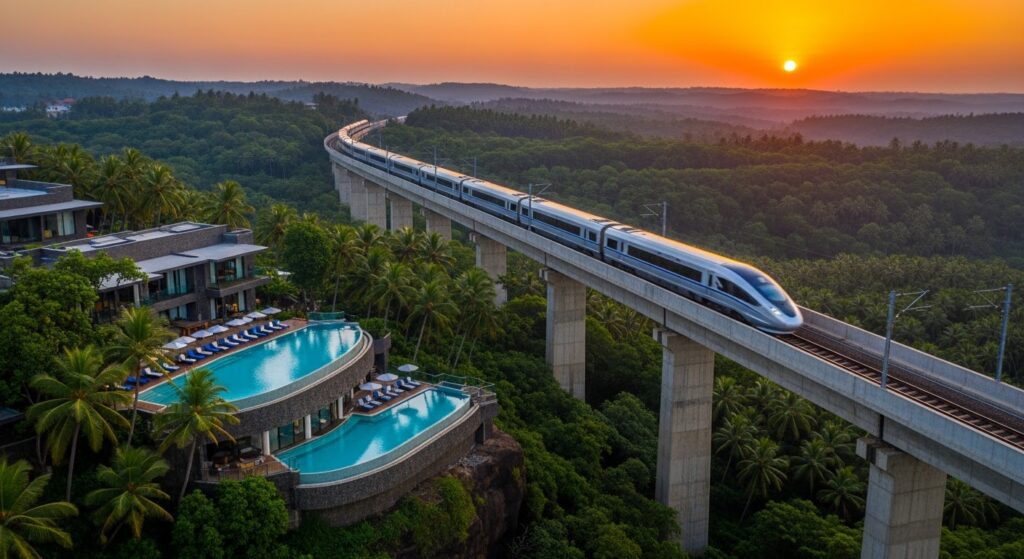
The solution isn’t to stop people from visiting the Konkan.
The region deserves the economic opportunities that responsible tourism can bring.
The answer is better tourism.
Instead of measuring success purely through visitor numbers, destinations could focus on visitor quality and local economic benefit.
- Community-owned homestays.
- Local guides.
- Small-scale food businesses.
- Plastic-free beaches.
- Waste segregation.
- Refill stations.
- Responsible trekking.
- Limits on construction in sensitive zones.
- Tourism taxes directed toward conservation.
- Digital permits for fragile destinations.
These measures can create a model in which travelers contribute to the place rather than simply consuming it.
The ideal visitor should leave behind money and memories — not plastic and pollution.
Can Konkan Become Accessible Without Losing Its Soul?
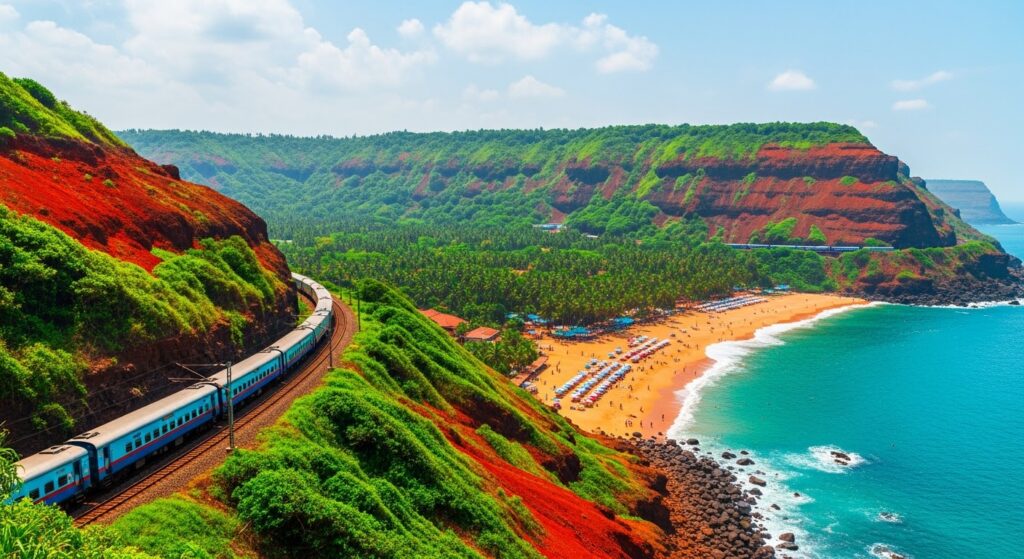
This may ultimately become the defining question of the region’s tourism future.
The railway can connect remote communities to India’s largest cities.
- It can create jobs.
- It can revive local food traditions.
- It can encourage young people to remain in their hometowns.
- It can make small businesses viable.
And it can introduce millions of travelers to one of India’s most beautiful landscapes.
But connectivity alone is not development.
If every quiet beach becomes a parking lot, every orchard becomes a resort and every village becomes a commercial strip, the Konkan will lose the very qualities that made travelers want to visit.
The objective should therefore not be to make every corner of Konkan mass-tourism accessible.
It should be to make the region responsibly accessible.
The New Konkan Equation
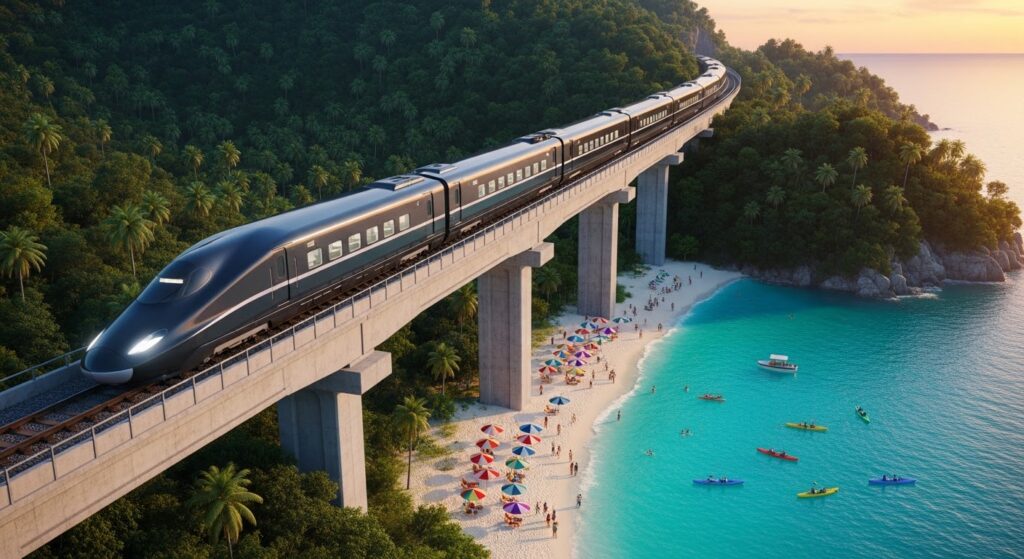
The railway represents more than steel tracks crossing mountains.
It represents a new relationship between the city and the coast.
Mumbai and Pune travelers gain access to landscapes that once seemed distant.
- Konkan communities gain access to new markets.
- Local food gains new audiences.
- Homestays gain new customers.
- Young entrepreneurs gain new opportunities.
- But the forests, beaches, farms and villages also face unprecedented pressure.
- The future will depend on which side of the equation wins.
- Connectivity + conservation = sustainable tourism.
- Connectivity without conservation = rapid commercialization.
- The Konkan doesn’t have to remain frozen in time to remain beautiful.
It simply needs to ensure that development doesn’t erase the character that makes the region special.
Because the greatest achievement of the new railway won’t be getting tourists to the Konkan faster.
It will be proving that millions of people can discover a fragile landscape without destroying it.
And perhaps that is the real journey beginning along the Konkan coast in 2026.