**Beyond the Tourist Thali**
Sonprayag is usually seen as a transit point—a place where pilgrims stop before beginning the journey toward Gaurikund and Kedarnath. Its roads are busy, its markets are crowded, and its restaurants largely cater to travelers who need something quick, hot and filling.
But behind this commercial layer exists another Sonprayag: a quieter world of mountain kitchens, wood-fired cooking, stone-ground spices and recipes passed from one generation to the next.
Here, food is not merely fuel for a pilgrimage. It is a record of Garhwal’s relationship with its mountains.
And sometimes, that story begins with the sharp crackle of **Jakhiya seeds** hitting hot oil.
The Food Most Travelers Never See
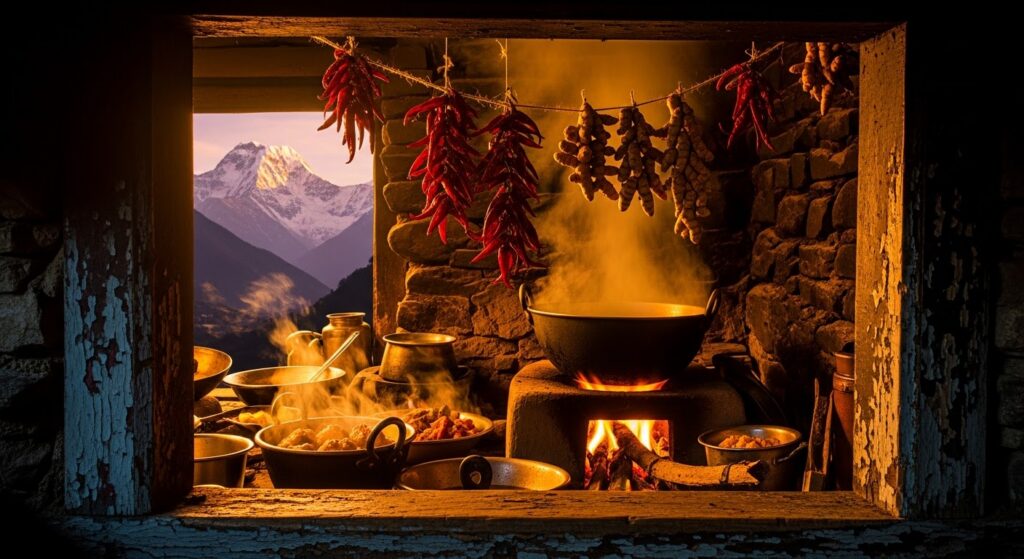
For many visitors, eating around Sonprayag means choosing from familiar restaurant menus—rice, dal, roti, vegetables, noodles, packaged snacks and standardized North Indian meals.
There is nothing wrong with these foods. They serve an important purpose in a busy pilgrimage corridor.
But they don’t necessarily represent the deeper culinary identity of Garhwal.
Traditional Garhwali food developed around what mountain communities could grow, store and cook in difficult terrain. Grains such as **Mandua (finger millet)**, pulses, leafy vegetables, radish, local herbs and pungent seeds became important components of everyday meals.
The result is a cuisine that can appear simple but is remarkably sophisticated in its use of texture, fermentation, roasting and tempering.
The challenge for the curious traveler is finding it.
The Alchemy of Stone and Grain
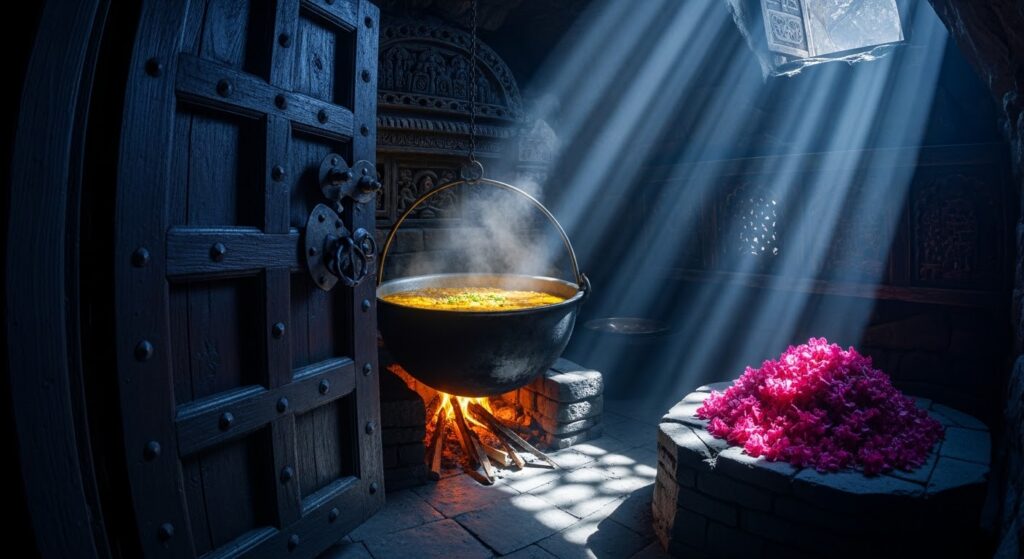
One of the most fascinating aspects of traditional mountain cooking is the importance of grinding.
Before electric mixers and packaged spice powders, spices were often processed using a **sil-batta**, the traditional flat stone grinder.
The process is slow. It requires physical effort. But the difference is not simply nostalgic.
Grinding ingredients immediately before cooking can preserve much of their fresh aroma and texture, creating a character very different from commercially processed powders.
In a traditional kitchen, the sound of stone against stone can become part of the cooking experience itself.
Then comes Mandua.
The dark, earthy flour of finger millet has long been an important grain in Himalayan communities. Its dense texture and distinctive flavor make **Mandua roti** very different from the soft wheat rotis familiar to many urban travelers.
It is rustic food—but rustic does not mean unsophisticated.
Mandua’s importance comes from its ability to thrive in conditions where many conventional crops struggle. In mountain cuisine, ingredients often had to be chosen not only for taste but also for resilience.
The Secret of the Jakhiya Temper
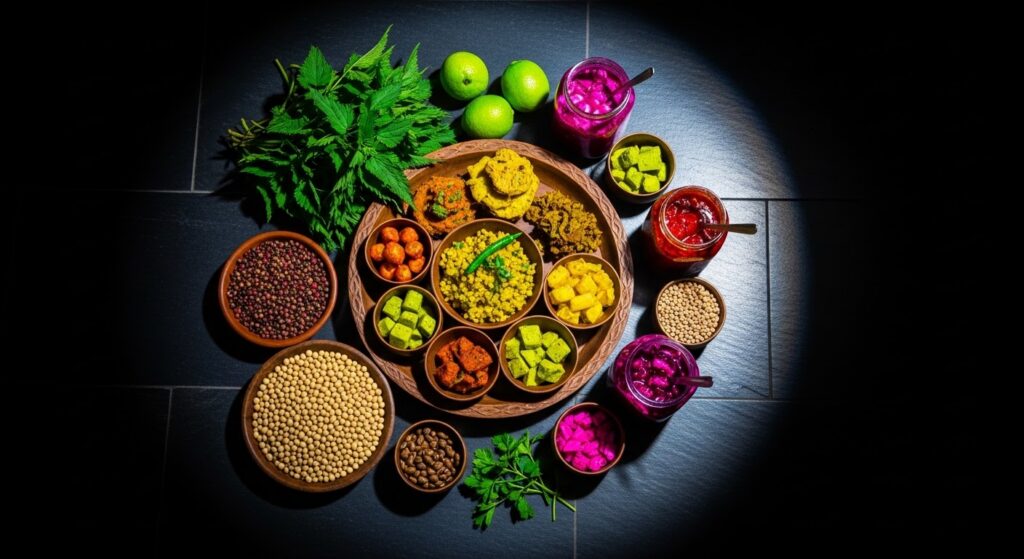
Few ingredients capture the personality of Garhwali cooking quite like **Jakhiya**.
These tiny seeds are commonly used as a tempering ingredient in Uttarakhand cuisine. When dropped into hot oil, they crackle and release a distinctive nutty, pungent aroma.
The timing matters.
Too early, and the seeds can burn. Too late, and they may not release their characteristic flavor properly.
That small culinary technique represents something much bigger: generations of accumulated knowledge.
The cook doesn’t need a written recipe explaining every second of the process. Experience tells them when the oil is ready, when the seeds should go in and when the next ingredient must follow.
This is how much traditional food knowledge survives—in hands, eyes, ears and memory.
Thechwani: When Texture Becomes Flavor
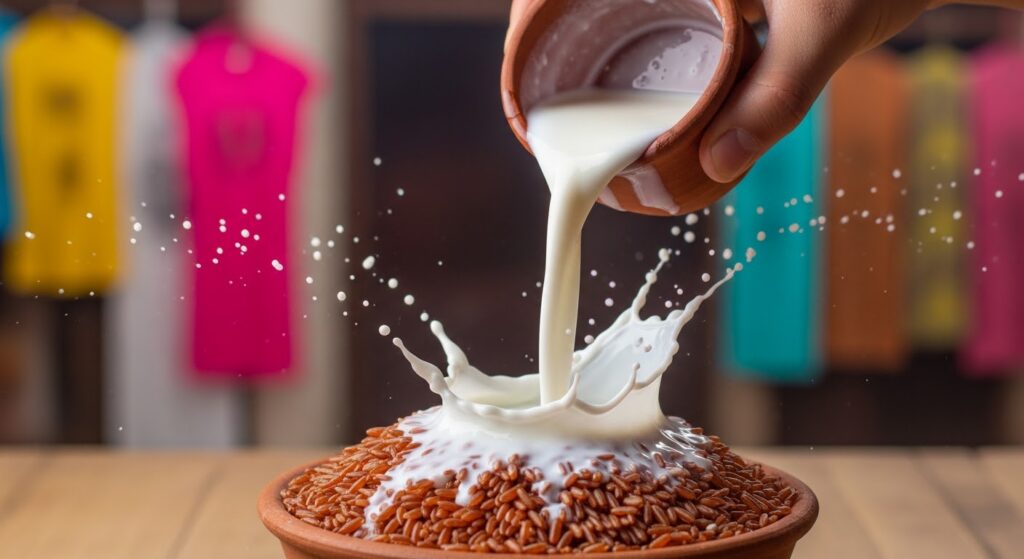
Another fascinating preparation associated with Garhwali cuisine is **Thechwani**.
The name itself reflects the technique. Rather than simply slicing ingredients, vegetables such as radish or potatoes are traditionally crushed or bruised using a stone implement.
That changes the texture.
The broken surfaces allow spices and seasoning to penetrate differently, producing a dish with a character distinct from conventionally chopped vegetables.
This is an important lesson in mountain cooking: technique can be an ingredient.
The same vegetable can taste completely different depending on whether it is sliced, crushed, roasted or slow-cooked.
Cooking With Fire
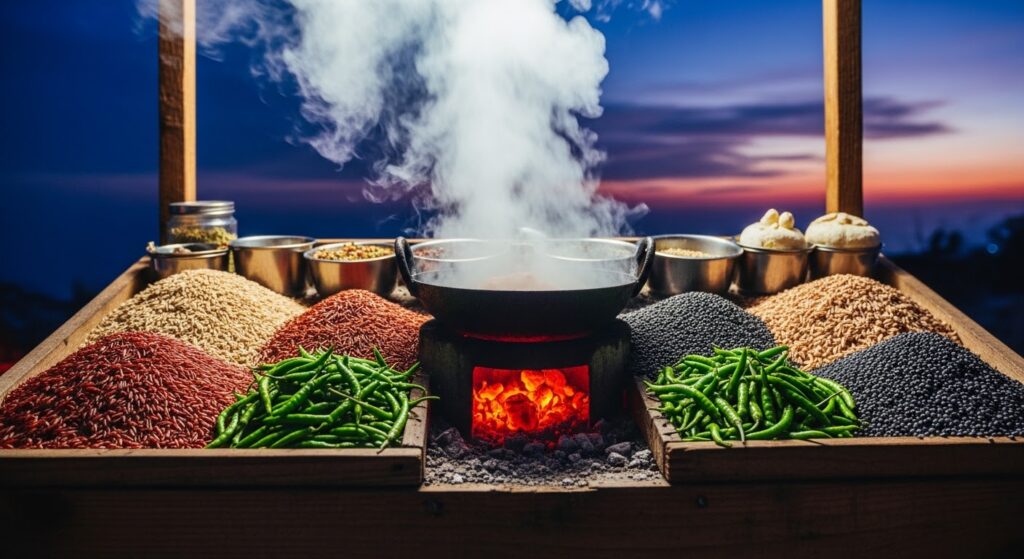
Traditional Himalayan kitchens were shaped by the availability of fuel, the climate and the need to produce substantial meals efficiently.
Wood-fired cooking could create smoky aromas and roasted flavors that are difficult to reproduce on modern electric or induction appliances.
The heat was also less uniform, requiring the cook to understand the behavior of the fire rather than simply setting a temperature.
A traditional kitchen therefore involved constant observation.
- Was the flame too strong?
- Was the vessel heating evenly?
- Was the grain sufficiently roasted?
- Was the curry ready?
These decisions were part of everyday knowledge.
Modern cooking has made food preparation dramatically easier, but it has also removed many of these small interactions between cook, fire and ingredient.
The Mountain Kitchen as a Living Archive
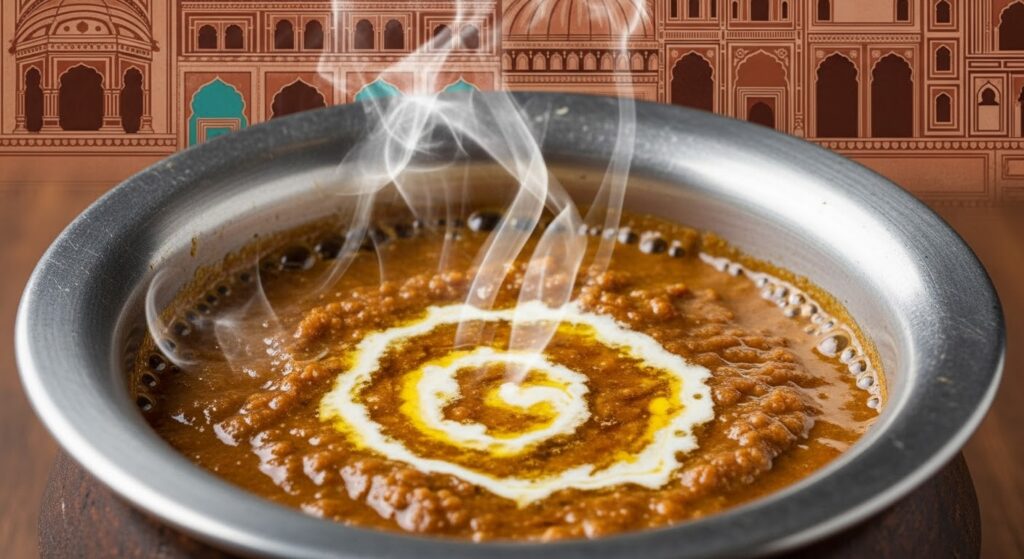
Perhaps the most important part of Garhwali food heritage isn’t any single recipe.
It is the **oral tradition surrounding the recipes**.
A grandmother teaches a daughter. A mother teaches a son. A village cook learns from an older generation.
Measurements may not always be written down.
Instead, the instruction can sound like:
- Add enough.
- Roast until the aroma changes.
- Wait until the seeds crackle.
- Use this much water.
These instructions may sound vague to an outsider, but to an experienced cook they contain decades of knowledge.
That is why the disappearance of traditional kitchens matters.
When a recipe is no longer cooked, an entire system of knowledge can disappear with it.
What the Modern Tourist Economy Changes
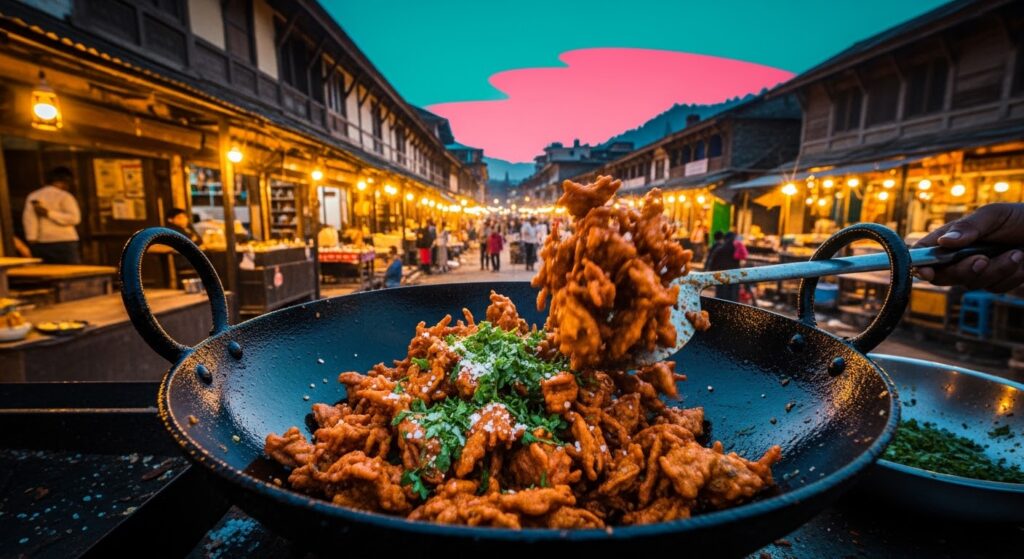
Sonprayag has transformed dramatically because of pilgrimage tourism.
Hotels, restaurants, transport operators, shops and temporary food establishments all serve thousands of visitors moving toward Kedarnath during the pilgrimage season.
This economic activity is essential to the region.
But mass tourism also creates pressure for standardization.
Travelers want familiar food. Restaurants want quick preparation. Ingredients must be easy to source. Menus need to work for large numbers of customers.
Slow, labor-intensive traditional dishes don’t always fit neatly into this model.
That creates a culinary paradox.
The same tourism that brings outsiders to the Himalayas can also encourage the replacement of local food traditions with standardized food designed for outsiders.
The Ingredients That Tell a Story
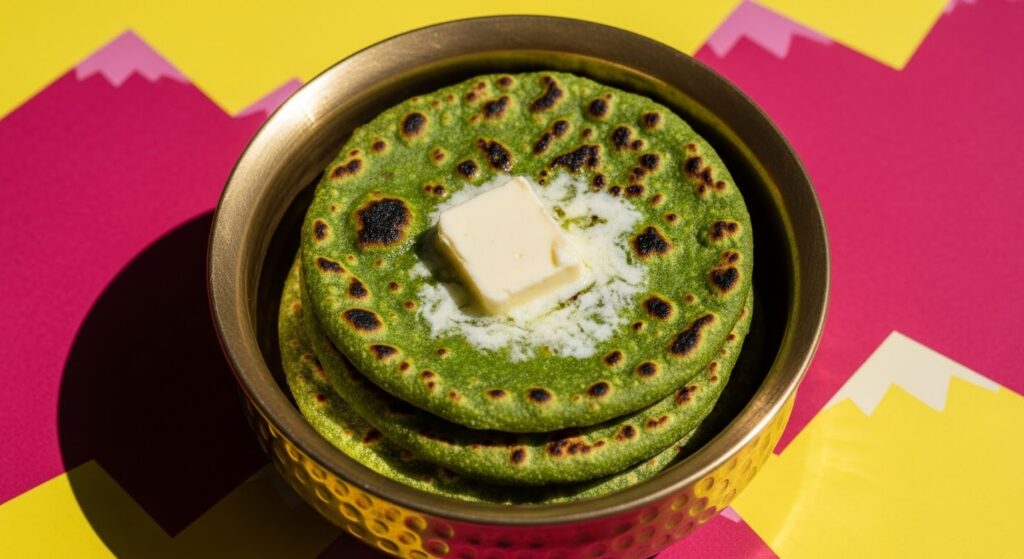
Traditional Garhwali cuisine is closely connected to the mountain environment.
**Mandua** reflects the importance of hardy grains.
**Jakhiya** represents the distinctive use of local aromatics.
**Radish and other mountain vegetables** demonstrate how seasonal produce shaped everyday meals.
**Local pulses and greens** reveal how communities adapted their diets to what could be cultivated or gathered.
Even the water, vessels, firewood and cooking techniques form part of the story.
Food heritage is therefore not simply a collection of recipes.
It is an ecosystem.
Change one part of that ecosystem, and the cuisine begins to change with it.
Can Traditional Food Survive?
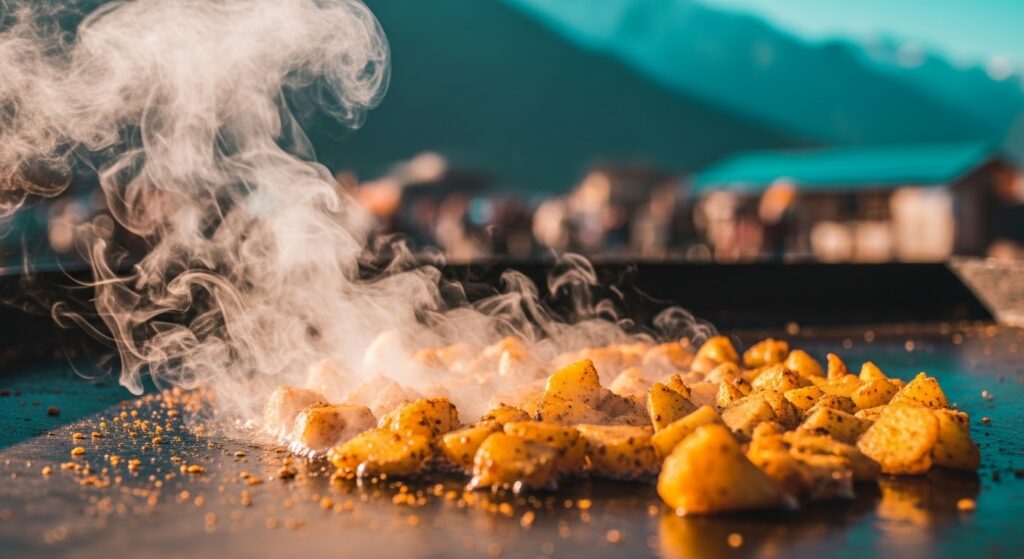
The answer may depend partly on travelers.
Visitors don’t have to reject modern restaurants or demand that every meal be traditionally prepared.
- Instead, they can make small choices.
- Look for locally operated eateries.
- Ask whether a dish is genuinely prepared using local ingredients.
Choose a homestay where traditional food is part of the experience.
Talk to local residents.
Ask about regional dishes rather than automatically ordering the same food available everywhere in India.
And most importantly, pay fairly for labor-intensive traditional cooking.
Authenticity has a cost.
A meal that requires hand-ground spices, locally sourced ingredients and hours of preparation cannot always compete with a standardized restaurant plate on price.
Supporting it is therefore not just a culinary decision—it can become a form of cultural preservation.
A Taste of Resilience
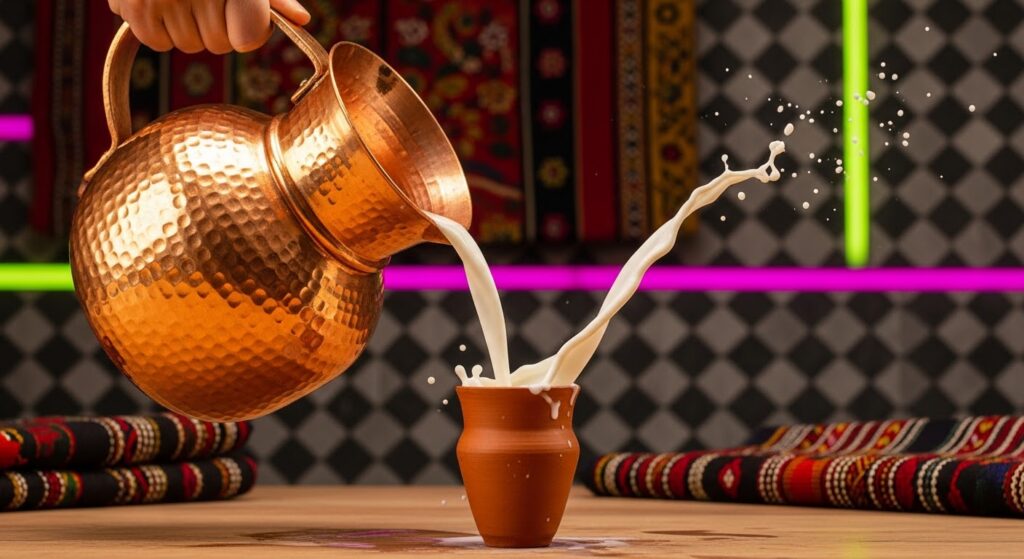
There is something deeply appropriate about discovering Garhwali food on the road to Kedarnath.
The landscape itself is unforgiving.
Steep mountains, cold weather, unpredictable rain and difficult transportation have shaped the lives of communities here for generations.
- Their cuisine reflects the same resilience.
- It is not designed primarily to impress a restaurant critic.
- It was designed to nourish families living in demanding conditions.
- And that is precisely what makes it fascinating.
A simple Mandua roti, a bowl of vegetables tempered with Jakhiya, a crushed radish preparation or a slow-cooked pulse can carry more history than an elaborate modern menu.
- Every ingredient tells a story of adaptation.
- Every technique preserves a memory.
- Every traditional kitchen becomes a small archive of mountain civilization.
Finding the Soul of Garhwal
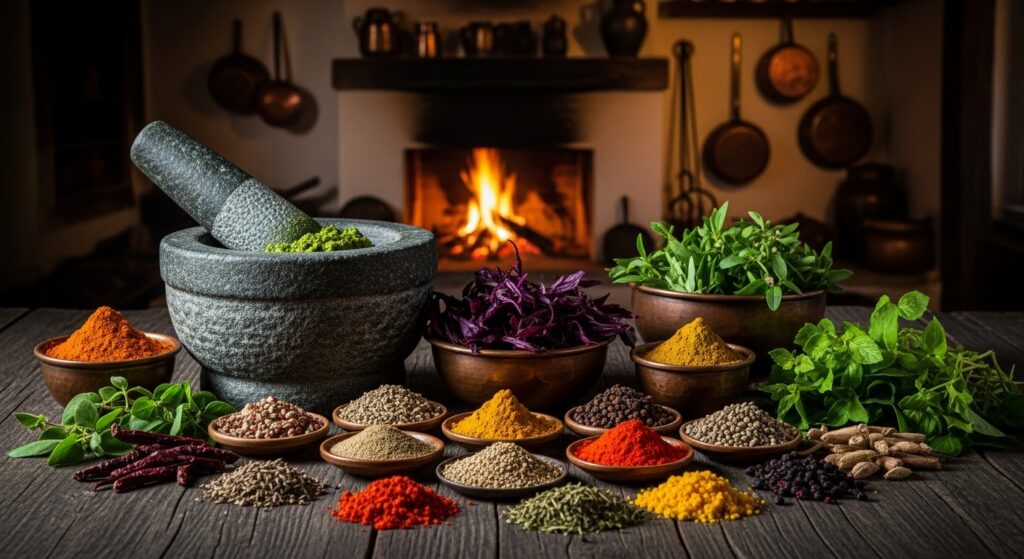
The next time you pass through Sonprayag, look beyond the brightly lit restaurant boards.
- Listen for the sound of a grinding stone.
- Notice the aroma of spices hitting hot oil.
- Ask where the ingredients came from.
Talk to the people who have lived in these mountains long before the modern pilgrimage economy arrived.
Because the real culinary heritage of Garhwal may not be displayed behind a polished restaurant counter.
It may be sitting quietly inside a small kitchen, where an elder still knows exactly when the Jakhiya seeds are ready.
In that moment, food becomes more than food.
It becomes memory.
It becomes identity.
And for a traveler willing to look beyond the tourist thali, it becomes one of the most authentic ways to experience the **raw, resilient spirit of the Garhwal Himalayas**.
The journey to Kedarnath begins on the road—but discovering Garhwal may begin at the dinner table.